AI in Education: Addressing the Teacher Shortage Crisis with Intelligent Solutions
As the clock ticks on the 2026 academic year, the education sector is facing a crisis that can no longer be ignored: a severe shortage of qualified teachers. With reports showing that nearly half of U.S. public schools are struggling to fill teaching positions, operational leaders in education must turn to artificial intelligence as a viable solution to bridge this gap. It’s not just about automating tasks—it’s about redefining the educational experience through intelligent support systems.
The teacher shortage is a multifaceted issue, exacerbated by burnout, low salaries, and a lack of resources. But as operations leaders, we must ask ourselves: how can AI not only alleviate some of this pressure but also enhance the teaching and learning experience? Here’s how:
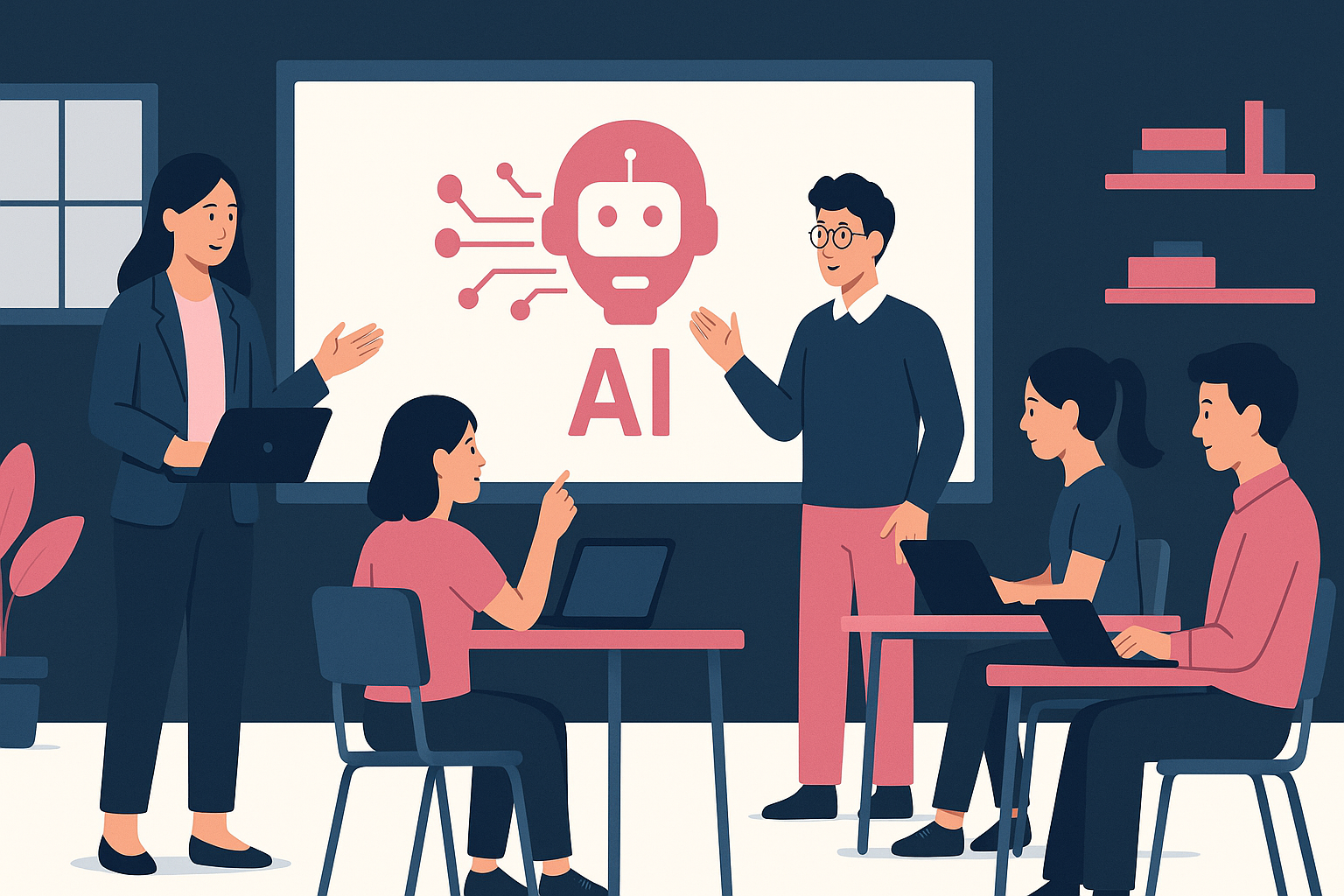
- AI-Powered Tutoring Systems: Personalized learning experiences powered by AI can provide students with tailored support. For teachers overwhelmed by large class sizes, these systems can handle basic inquiries and reinforce lesson plans, allowing educators to focus on more complex teaching tasks.
- Administrative Automation: Many teachers spend more time on administrative tasks than on actual teaching. AI can streamline scheduling, grading, and communication, freeing up precious time for educators to engage with their students.
- Data-Driven Insights: AI tools can analyze student performance data and identify at-risk students before they fall behind. This proactive approach helps educators intervene early, improving overall student outcomes and reducing dropout rates.
- Augmented Reality (AR) and Virtual Reality (VR): AI can enhance AR and VR tools that create immersive learning environments, making subjects more engaging and interactive. This technology can supplement traditional teaching, attracting students while providing teachers with innovative resources.
The implications are clear: embracing AI is no longer an option but a necessity for operational leaders in education. By integrating AI solutions, institutions can empower teachers and improve student outcomes, ultimately making the profession more appealing to potential candidates.
However, the adoption of AI is not without its challenges. Education leaders must be wary of over-reliance on technology, ensuring that AI complements rather than replaces the human touch essential in teaching. Additionally, issues of equity and access must be addressed to ensure that all students benefit from these advancements.
As we move forward, the question remains: will education leaders act decisively to integrate AI, or will they continue to watch as the teacher shortage crisis worsens? The time for action is now. Those who leverage AI intelligently will not only mitigate the teacher shortage but also redefine the future of education.
At Q52, we specialize in guiding organizations through the complex landscape of AI adoption. Our consulting services can help your educational institution develop a tailored strategy that maximizes the benefits of AI while addressing your unique operational challenges. Connect with us on LinkedIn to learn more.