
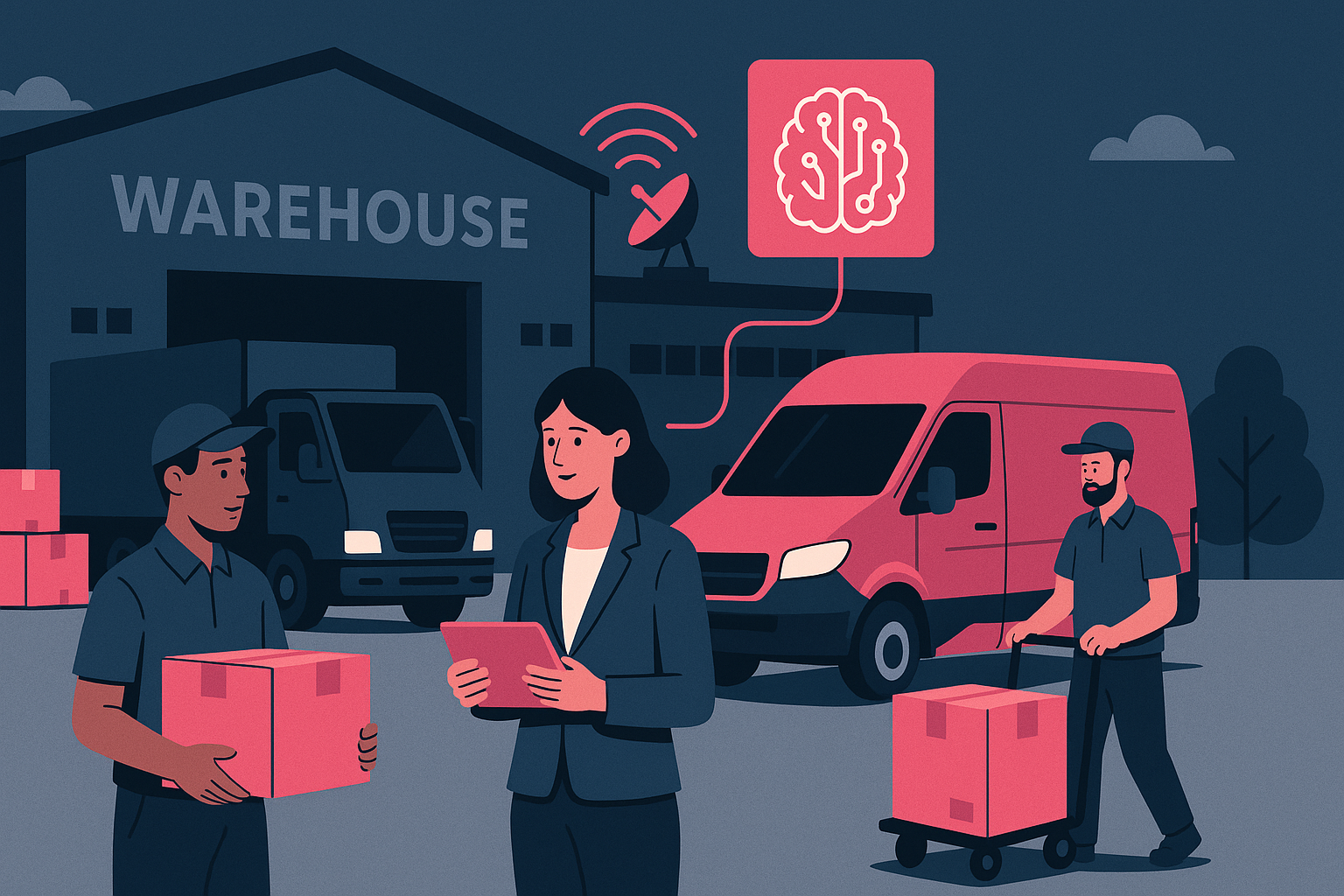
Navigating the Last Mile: How AI is Redefining Logistics Operations
In a world where speed and efficiency dictate success, the logistics industry is undergoing a radical transformation. The last mile of delivery, once considered the final hurdle in logistics, is now the battleground for AI adoption. As e-commerce explodes and customer expectations soar, logistics operators must embrace AI not just as a tool, but as a vital strategic partner.
Why the last mile? Because it is where logistics meets customer service. An estimated 53% of logistics costs occur in the last mile, making it the most expensive and complex component of the supply chain. Today, the stakes are higher than ever. Customers demand faster delivery times, real-time tracking, and a seamless experience. The result? Traditional methods are faltering, and organizations that refuse to adapt risk obsolescence.
AI is no longer a luxury; it is a necessity. Here’s how it’s reshaping last-mile logistics:
- Optimizing Routing and Delivery: AI algorithms can analyze vast amounts of data in real time to determine the most efficient delivery routes. This leads to reduced fuel costs, lower carbon emissions, and faster delivery times.
- Dynamic Pricing Models: AI enables logistics companies to implement dynamic pricing strategies. By analyzing demand patterns, companies can adjust prices based on real-time conditions, maximizing profit margins while remaining competitive.
- Predictive Analytics for Demand Forecasting: With AI, companies can better predict demand fluctuations, ensuring they allocate resources efficiently. This minimizes excess inventory and reduces the risk of stockouts, ultimately improving customer satisfaction.
- Enhanced Customer Communication: AI-powered chatbots and virtual assistants can provide customers with real-time updates about their deliveries, addressing concerns proactively and improving overall customer experience.
The operational implications are profound:
- Cost Reduction: By optimizing routing and implementing dynamic pricing, companies can significantly lower operational costs.
- Improved Service Levels: Faster, more reliable deliveries lead to higher customer satisfaction and loyalty.
- Scalability: AI solutions can easily adapt to changing market conditions, allowing organizations to scale operations up or down as needed without major overhauls.
However, the shift to AI-driven logistics is not without its challenges. Organizations must invest in the right technology and infrastructure, as well as train staff to work alongside AI systems. Resistance to change can be a significant barrier, and it’s crucial for leaders to foster a culture that embraces innovation.
In conclusion, the adoption of AI in last-mile logistics is not just a trend; it’s a strategic imperative. Organizations that leverage AI will not only survive but thrive in an increasingly competitive landscape. Those who hesitate risk being left behind as their more agile competitors capitalize on the efficiencies and insights AI provides.
At Q52, we specialize in helping logistics leaders navigate the complexities of AI adoption. From strategy development to implementation, our consulting services empower organizations to harness the full potential of AI in their operations. Connect with us on LinkedIn to learn more about how we can assist you in your AI journey.