
Your daily briefing on AI adoption, tools, and operational reality — curated by q52.ai.

AI Adoption in Public Sector Faces Data Privacy Challenges
What Is Happening: Public sector organizations are increasingly implementing AI technologies, but they face significant data privacy concerns. The challenge lies in balancing the benefits of AI with the need to protect sensitive citizen data amid growing scrutiny and regulatory pressures.
Why It Matters: Operations leaders must navigate complex compliance landscapes, such as GDPR and CCPA, to avoid hefty fines and reputational damage. Establishing robust data governance frameworks is essential to ensure privacy is prioritized, which can enhance public trust and facilitate smoother adoption of AI initiatives.
Q52’s Takeaway: Assess your data governance policies and ensure they align with current regulations. Engage your team in discussions about how to enhance compliance while leveraging AI for operational improvements.
Read the full article on q52.ai
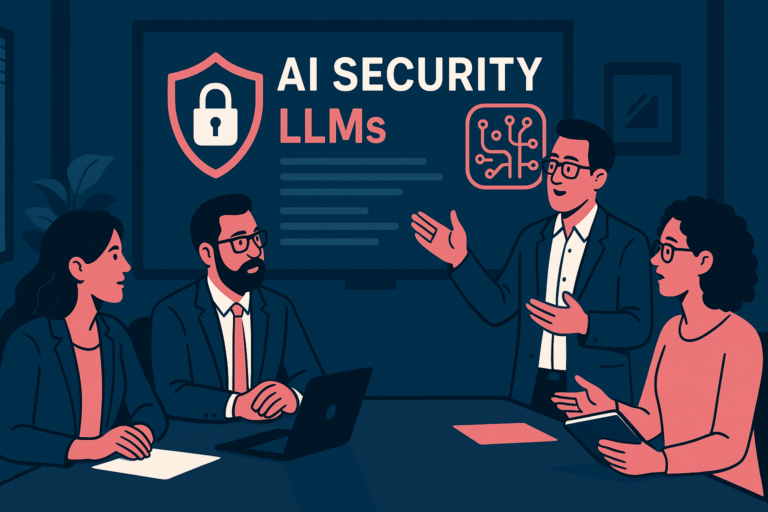
Understanding LLM Security: The OWASP Top 10
What Is Happening: As Large Language Models (LLMs) become more integrated into enterprise applications, the OWASP LLM Top 10 framework has emerged to address security vulnerabilities unique to these technologies. This framework provides actionable guidelines to help organizations mitigate risks associated with LLMs.
Why It Matters: Operational leaders can enhance risk management and compliance by implementing the OWASP LLM Top 10, ultimately safeguarding application security and improving incident response times. This proactive approach can minimize operational disruptions and legal liabilities, ensuring a more secure application environment.
Q52’s Takeaway: Review your current AI applications against the OWASP LLM Top 10 framework. Identify specific vulnerabilities and prioritize addressing them to strengthen your application security posture.
Read the full spotlight on q52.ai

The Disconnect Between AI Demos and Real-World Workflows
What Is Happening: Many organizations are showcasing impressive AI capabilities, but the actual implementation often reveals significant gaps in workflow integration. The disparity between flashy demonstrations and operational realities leads to stalled projects and inefficiencies.
Why It Matters: For operations leaders, this disconnect can result in wasted resources and missed opportunities. Addressing foundational workflow issues is crucial for successful AI adoption, as it ensures that the technology delivers on its promises rather than becoming another unfulfilled investment.
Q52’s Takeaway: Conduct a thorough review of your current workflows to identify integration challenges. Prioritize fixing these foundational issues before pursuing new AI initiatives to ensure operational effectiveness.

How Robot Learning Evolves: Insights for Small Businesses
What Is Happening: The evolution of robot learning technology is reshaping how robots adapt and improve their performance. This historical overview highlights advancements that can inform automation strategies for small to mid-sized businesses.
Why It Matters: Understanding these developments can help businesses identify opportunities to integrate robotic process automation (RPA) to enhance efficiency and reduce costs. However, careful consideration of the investment versus operational needs is essential to ensure that automation aligns with business objectives.
Q52’s Takeaway: Evaluate your workflows to pinpoint areas where RPA could streamline operations. Engage your team in discussions about potential automation projects that could yield a strong return on investment.
Daily Prompt
If AI could vote, what policy changes do you think it would advocate for?
Try it in ChatGPT, Claude, or your favorite AI assistant. Want more? Browse the q52 Prompt Library for ready-to-use prompts built for real business outcomes.
That’s the digest for April 18, 2026.
Want this in your inbox? Subscribe to the q52 Newsletter to get the daily digest delivered automatically.
Questions? Reach out at info@q52.ai or connect on LinkedIn.