Navigating the AI Revolution: How Hospitality Leaders Can Overcome Staffing Challenges with Intelligent Automation
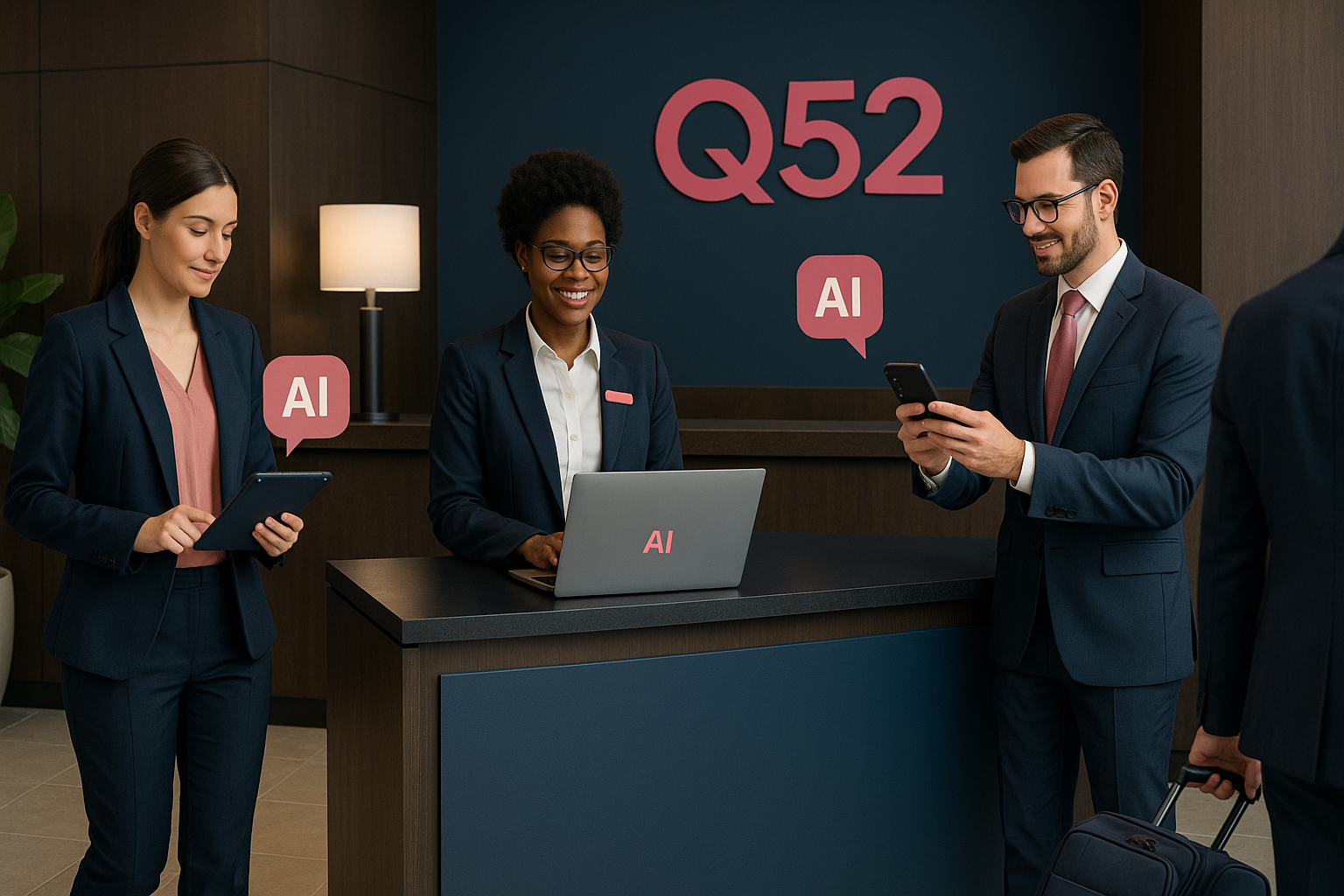
The hospitality industry is in the midst of a seismic shift driven by AI, and savvy operations leaders must adapt or be left behind. With labor shortages still a pressing issue, the strategic integration of AI can offer a lifeline. But the question remains: how do you balance automation with the essential human touch that defines hospitality?
As of April 2026, many hotels and restaurants are struggling to maintain service levels due to ongoing staffing challenges. This is not just a temporary problem; it’s a fundamental shift in the workforce landscape. Here’s why AI adoption is not only beneficial but essential for operations leaders looking to ensure sustainability and excellence in service.
The Current Staffing Crisis
While many sectors have seen a return to pre-pandemic employment levels, hospitality hasn’t been so fortunate. Reports indicate that nearly 30% of hospitality positions remain unfilled. This shortage is exacerbated by rising operational costs and changing consumer expectations for service quality.
Operations leaders need to consider the operational implications of this crisis:
- Increased workload on existing staff, leading to burnout.
- Inconsistent service quality, damaging brand reputation.
- Higher turnover rates, further destabilizing teams.
AI as a Strategic Solution
So, how does AI step in to alleviate these pain points? Intelligent automation can streamline several operational processes, allowing your team to focus on what truly matters: enhancing guest experiences.
Here’s how AI can help:
- Enhanced Customer Interactions: AI-driven chatbots and virtual assistants can handle booking inquiries, FAQs, and even upselling, freeing your staff to tackle more complex customer needs.
- Dynamic Staffing Solutions: AI algorithms can analyze real-time data to predict peak times, enabling smarter scheduling that aligns staff availability with demand.
- Operational Efficiency: From inventory management to housekeeping, AI can optimize logistics, reducing waste and ensuring that resources are utilized effectively.
- Personalization at Scale: AI can analyze customer data to offer personalized recommendations and experiences, creating a more memorable stay without overloading your staff.
Operational Changes Required
Embracing AI is not merely a plug-and-play solution. It requires operational shifts that your team must be prepared for:
- Train staff to work alongside AI tools, emphasizing collaboration over replacement.
- Invest in robust data management systems to ensure that AI applications can access and analyze the right information.
- Establish clear communication channels to manage guest expectations regarding AI interactions.
Moreover, businesses need to consider the ethical implications of AI in hospitality. Transparency with guests about how their data is used, as well as ensuring that AI does not diminish the human aspect of service, is essential.
Conclusion: The Future is Now
In conclusion, the hospitality industry stands at a crossroads. Operations leaders have a unique opportunity to leverage AI to not only address staffing challenges but to redefine the guest experience. By embracing intelligent automation, the industry can navigate the current crisis while positioning itself for future success.
At Q52, we specialize in helping businesses like yours integrate AI strategies that fit your specific operational needs. If you’re ready to explore how AI can transform your hospitality operations, reach out to us for a consultation and follow us on LinkedIn to stay updated on industry insights: Q52 on LinkedIn.