
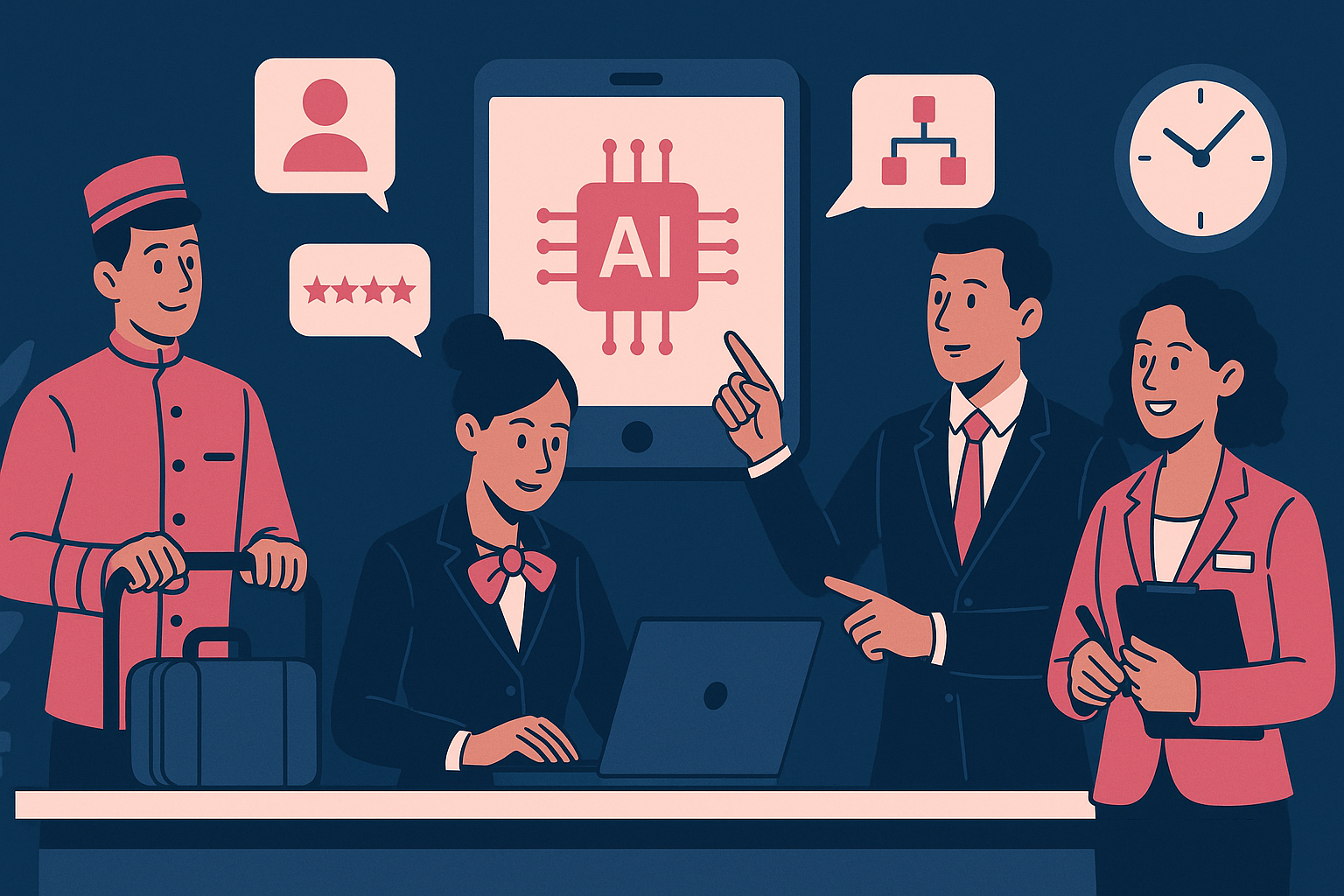
How AI is Reshaping Guest Experience in Hospitality: The Imperative of Personalization
The hospitality industry is at a tipping point, and the future is being defined by how well businesses can leverage artificial intelligence to enhance guest personalization. As we step into 2026, the operational landscape is changing rapidly, and those who fail to adapt will be left behind.
Today’s guests expect more than just a place to stay; they crave personalized experiences that cater to their individual preferences. AI is no longer a luxury but a necessity for hospitality leaders aiming to meet and exceed these expectations. From tailored recommendations during the booking process to dynamic pricing strategies that reflect real-time demand, AI’s role in enhancing guest experiences is profound.
The Personalization Imperative
With the rise of online platforms, guests have become accustomed to tailored services driven by data. This trend has prompted hospitality operators to rethink their approach to guest engagement.
- Data-Driven Insights: AI can analyze vast amounts of guest data—from previous stays to online reviews—to provide insights that help operators customize experiences. This leads to upselling opportunities and fosters guest loyalty.
- Seamless Interactions: Chatbots powered by AI can handle inquiries 24/7, providing instant responses while freeing up human staff for more complex tasks. This enhances service efficiency and guest satisfaction.
- Operational Efficiency: AI can optimize staffing requirements based on predicted occupancy rates, ensuring that hotels are neither overstaffed nor understaffed, thus reducing operational costs.
However, the challenge lies in how well businesses can integrate these technologies into their existing operations. Many hospitality operators are still hesitant, fearing the potential disruption that comes with implementation. This reluctance can lead to missed opportunities in a highly competitive market.
Breaking Down Barriers to AI Adoption
For AI to be effective, it must align with the operational goals of the organization. Here are several key considerations for hospitality leaders:
- Investment in Training: Staff must be trained to work alongside AI tools to maximize their benefits. This includes understanding how to interpret AI-driven insights and applying them to enhance guest interactions.
- Cultural Shift: Moving towards an AI-driven model requires a cultural shift. Leaders need to champion this change and encourage an environment where data-driven decision-making is the norm.
- Privacy and Data Security: With increased personalization comes the responsibility of safeguarding guest data. Operators must ensure compliance with data protection regulations to build trust.
Ultimately, those hospitality leaders who embrace AI will not only enhance guest satisfaction but also drive operational efficiencies that translate into higher profitability. The time to invest in AI is now, as the landscape will only become more competitive.
At Q52, we specialize in helping businesses navigate the complexities of AI adoption. If your hospitality operation is ready to take the plunge into AI-driven personalization, we can guide you through the process. Explore our consulting services to see how we can help your business thrive in this new era.
Stay updated on the latest in AI and hospitality by following us on LinkedIn: Q52 LinkedIn.