The AI Revolution in Professional Services: Time to Rethink Talent Management
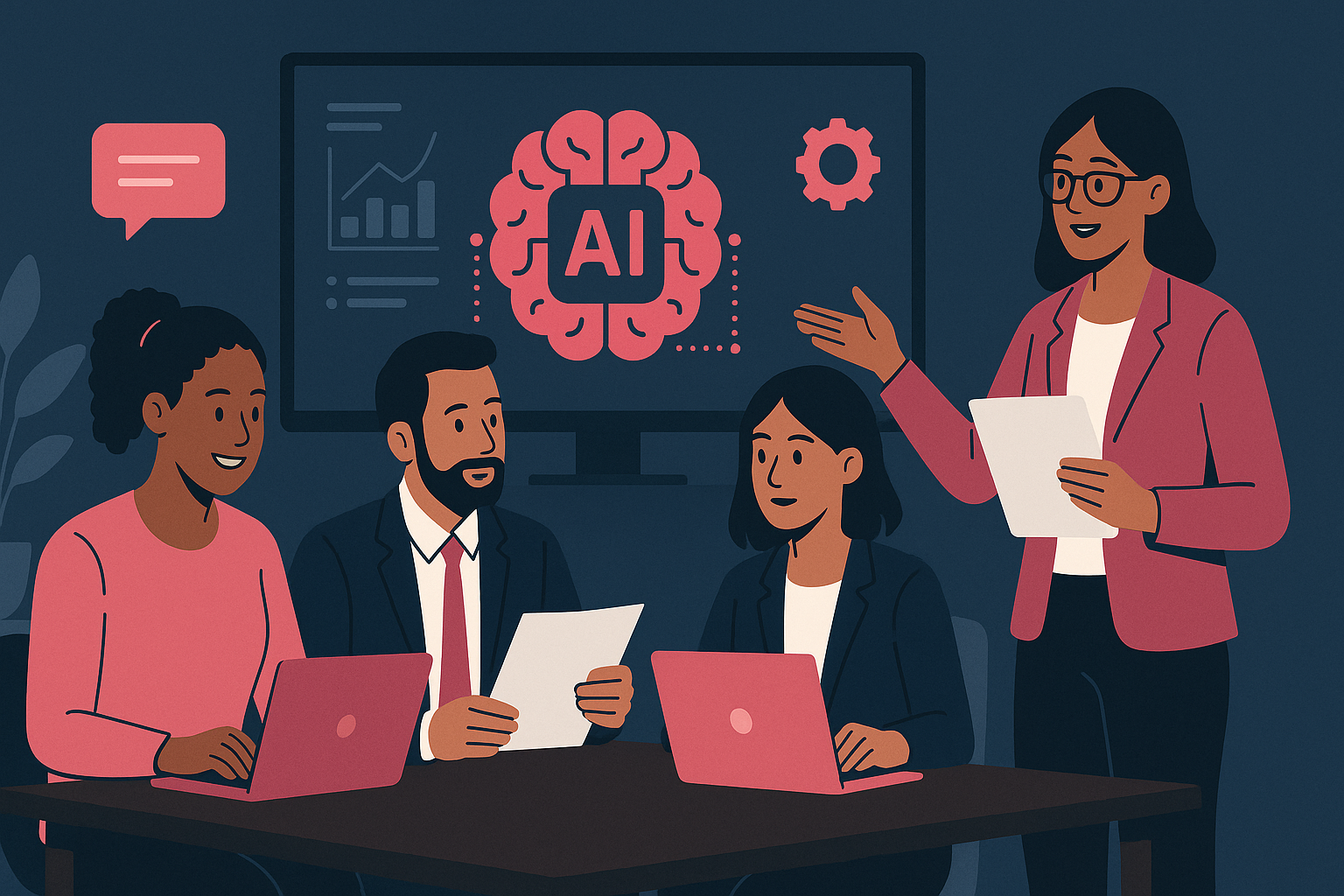
In the fast-paced world of professional services, where client expectations are ever-evolving, the recent surge in AI adoption is more than just a trend—it’s a tidal wave reshaping the operational landscape. As firms scramble to integrate AI into their workflows, one critical area stands out as both a challenge and an opportunity: talent management.
The traditional model of talent management in professional services has often revolved around rigid hierarchies and a one-size-fits-all approach to skill development. However, with AI tools capable of augmenting human capabilities, the old paradigms are breaking down. Today, operations leaders must ask themselves: How do we harness AI to optimize our workforce while ensuring we don’t lose the human touch that defines our service delivery?
Operational Implications of AI in Talent Management
AI tools can automate mundane tasks, provide real-time analytics for performance monitoring, and even assist in skill assessments. This not only frees up valuable time for professionals to focus on high-value tasks but also allows for a more dynamic approach to talent management. Here’s how:
- Dynamic Skill Development: AI can analyze employee performance data and suggest personalized training programs. This means that rather than waiting for annual reviews, employees can receive ongoing feedback and development opportunities tailored to their evolving roles.
- Enhanced Recruitment: AI-driven recruitment tools can identify the best candidates based on a range of criteria, including not just qualifications but also cultural fit and potential for growth. This leads to better hiring decisions and, ultimately, a more competent workforce.
- Improved Retention: By analyzing employee sentiment and engagement levels through AI tools, firms can proactively address issues before they lead to turnover, thus saving costs associated with hiring and training new talent.
- Resource Allocation: AI can predict project demands and help in resource planning, ensuring that the right people are available for the right projects at the right time. This agility can significantly enhance operational efficiency and client satisfaction.
However, the integration of AI in talent management is not without its challenges. As firms embrace AI, they must be wary of the potential pitfalls that could arise:
- Resistance to Change: Employees may fear that AI will replace them rather than complement their skills. Clear communication about how AI enhances human capabilities is essential.
- Data Privacy Concerns: With AI relying heavily on employee data, organizations must ensure they are compliant with privacy regulations and that employees feel their data is secure.
- Maintaining the Human Touch: As firms lean more on AI, they must not forget the importance of human relationships in client management. Balancing technology with personal interaction will be critical.
Conclusion: Embrace the Change
As operations leaders in professional services, the imperative is clear: embrace AI not just as a tool, but as a transformative force in talent management. Firms that strategically implement AI to enhance, rather than replace, human capabilities will not only improve operational efficiency but also foster a culture of continuous learning and adaptability.
At Q52, we specialize in guiding organizations through their AI adoption journeys, ensuring they leverage technology to optimize talent management while maintaining the essential human elements of their services. Discover how we can help you navigate this complex landscape by connecting with us on LinkedIn.