
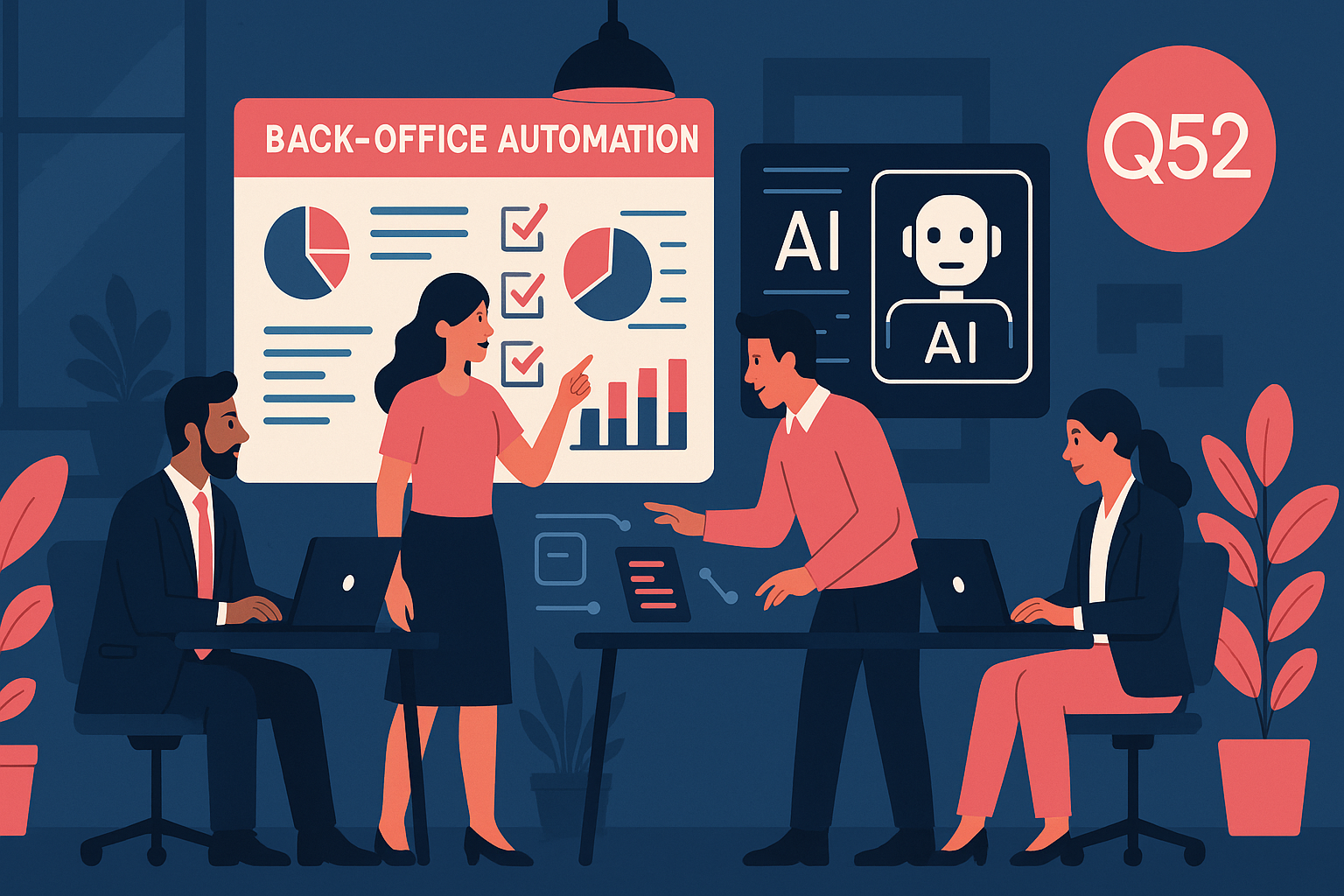
Why Back-Office Automation Is Stalling: The AI Adoption Paradox
As we move deeper into 2026, a troubling trend is emerging in the back-office automation industry: despite the promises of AI-driven efficiencies, many organizations are experiencing stagnation rather than the anticipated acceleration. The operational challenge? A growing disconnect between AI capabilities and the actual needs of back-office functions like finance, HR, and procurement.
At first glance, the integration of AI into back-office automation seems like a no-brainer. Automating repetitive tasks such as invoice processing, employee onboarding, and data entry has the potential to save time and reduce errors. However, the reality is that many organizations are now caught in a paradox where they have invested heavily in AI technologies but are not seeing the transformative results they expected. Why is this happening?
Operational Complexity: The Hidden Cost
The primary reason for this stagnation lies in the operational complexity of back-office functions. Unlike customer-facing operations, which can be directly impacted by AI enhancements, back-office processes are often intertwined with legacy systems, regulatory requirements, and intricate workflows. This complexity makes it difficult for organizations to effectively implement AI solutions without significant changes to their existing processes.
- Legacy Systems: Many companies still rely on outdated software that cannot easily integrate with advanced AI tools. This lack of interoperability forces organizations to choose between maintaining legacy systems or incurring the cost of a complete overhaul.
- Resistance to Change: Employees may resist new technologies out of fear for their jobs, leading to pushback that can stall implementation and adoption efforts. This cultural barrier is often overlooked by leadership teams focused on the technical aspects of AI.
- Data Quality Issues: AI is only as good as the data it learns from. Inconsistent, incomplete, or poorly structured data can lead to inaccurate outputs, making organizations hesitant to fully embrace AI solutions.
- Misaligned Objectives: Many organizations adopt AI solutions for the sake of keeping up with competitors rather than aligning them with their specific operational goals. This misalignment can lead to wasted resources and minimal impact on efficiency.
Strategies to Overcome the Stagnation
For operations leaders who are grappling with these challenges, a strategic reevaluation of AI adoption is crucial. Here are key strategies to consider:
- Invest in Integration: Prioritize AI solutions that can easily interface with existing systems. Focus on platforms that offer seamless integration capabilities to avoid operational disruptions.
- Foster a Culture of Innovation: Engage employees in the change process. Offer training and support to help them understand how AI can enhance their roles rather than replace them.
- Improve Data Governance: Establish rigorous data quality standards. Invest in data cleaning and management practices to ensure that your AI solutions are working with the best possible information.
- Align AI with Business Goals: Conduct a thorough assessment of your operational needs and align AI initiatives with specific business objectives. This ensures that investments yield tangible benefits.
The Path Forward
As we navigate the complexities of AI adoption in back-office automation, operations leaders must recognize that it’s not just about the technology itself but how it’s implemented and integrated into existing systems. Organizations that take a thoughtful, strategic approach to AI adoption will not only overcome the current stagnation but also position themselves for long-term success.
At Q52, we specialize in helping businesses identify the right AI solutions to meet their unique operational challenges. Our consulting services are designed to guide you through the complexities of AI implementation, ensuring that your investments translate into real-world operational improvements. Connect with us on LinkedIn to learn more about how we can support your journey in back-office automation.