
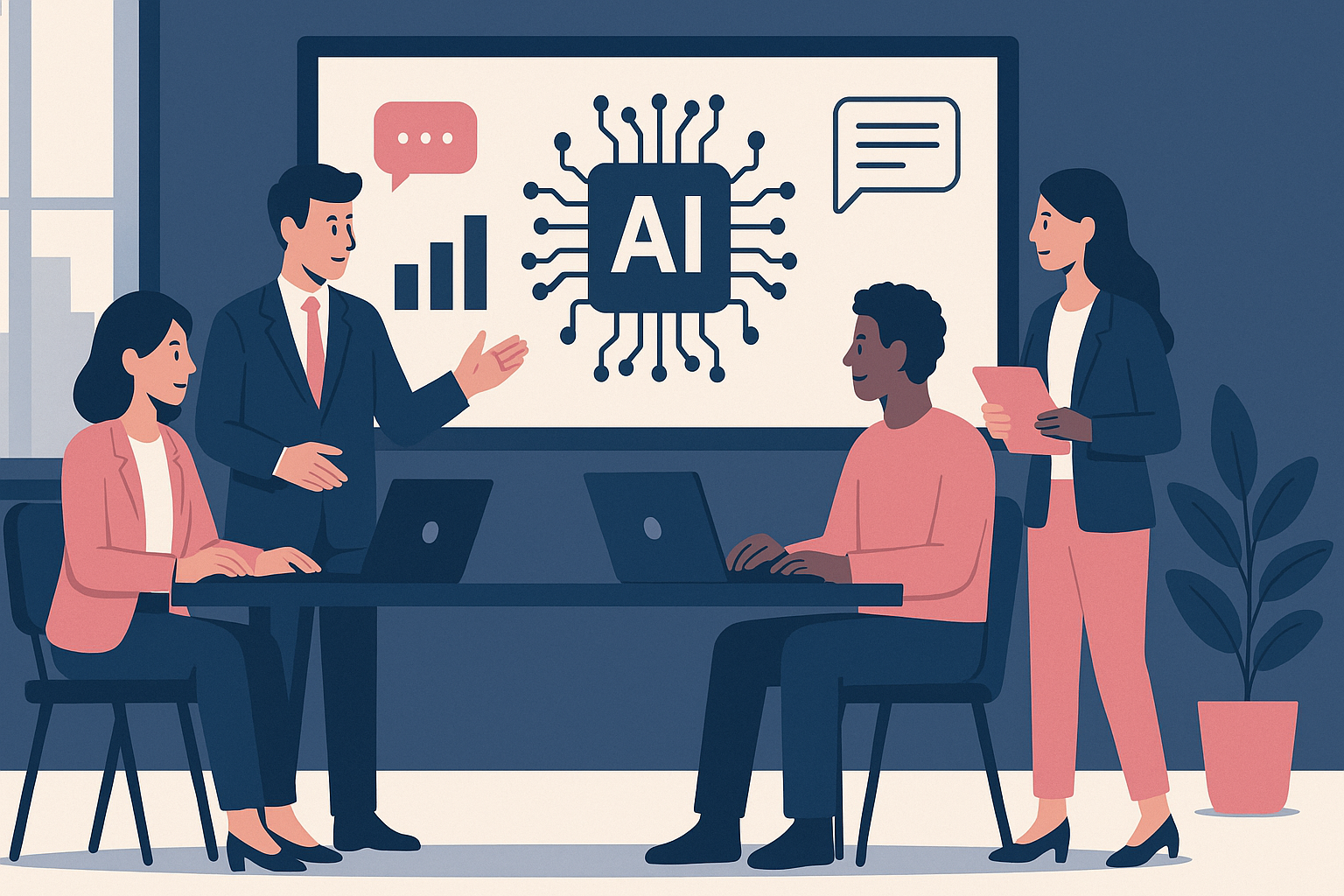
The Rise of AI in Customer Operations: Navigating the Shift Towards Hyper-Personalization
In today’s fiercely competitive market, customer expectations are not just high—they’re evolving at breakneck speed. The traditional model of customer service, characterized by generic interactions and one-size-fits-all solutions, is rapidly becoming obsolete. Enter AI, poised to transform customer operations by enabling hyper-personalization. But with this opportunity comes a significant operational challenge: how can organizations effectively integrate AI-driven personalization without overwhelming their existing systems and processes?
As of May 2026, we’re witnessing a pronounced trend: companies that successfully adopt AI in customer operations are not only enhancing customer satisfaction but are also driving measurable business outcomes. However, those that fail to adapt are left struggling with disengaged customers and a tarnished brand reputation.
The Challenge of Integration
For operations leaders, the primary challenge lies in integrating AI tools into existing workflows. While AI can analyze vast amounts of customer data to deliver personalized experiences, it must do so seamlessly alongside legacy systems. This integration is crucial for several reasons:
- Data Silos: Many organizations still operate with fragmented data systems. AI requires a unified data architecture to effectively analyze customer interactions and preferences.
- Employee Training: Operational teams must be trained to leverage AI insights. Without proper education, the tools can become underutilized, resulting in wasted investment.
- Customer Trust: As AI takes a more prominent role, companies must ensure transparency in how customer data is used. This involves clear communication strategies to maintain trust.
Organizations that prioritize these factors are well-positioned to harness AI for hyper-personalization. Yet, the operational implications extend beyond mere technology adoption.
Operational Improvements and Considerations
Here are some operational improvements that can be realized through effective AI integration in customer operations:
- Enhanced Customer Insights: AI can sift through customer data to generate actionable insights, enabling more informed decision-making regarding product offerings and marketing strategies.
- Streamlined Processes: Automating routine inquiries and customer interactions allows human agents to focus on complex issues, reducing response times and improving overall efficiency.
- Proactive Problem Resolution: Predictive analytics can identify potential customer issues before they arise, allowing organizations to intervene proactively and reduce churn rates.
- Increased Revenue: Personalized experiences lead to higher conversion rates. By tailoring offers based on individual customer behavior, companies can significantly boost sales.
However, these improvements come with caveats. Operations leaders must remain vigilant about potential pitfalls:
- AI dependency can lead to a lack of human touch in customer service, risking customer alienation.
- Over-reliance on automation might result in an inability to handle unique customer requests effectively.
- Failing to keep pace with evolving AI technologies could render a company obsolete in a rapidly changing marketplace.
Conclusion: The Path Forward
The trend towards hyper-personalization in customer operations is undeniable, and AI is at the forefront of this evolution. Organizations must approach AI adoption strategically, prioritizing integration and training to maximize operational benefits. The future belongs to those who can blend the efficiency of AI with the empathy of human interaction.
At Q52, we understand these challenges and offer tailored consulting services to help organizations navigate the complexities of AI adoption in customer operations. Our expert team can assist in streamlining your processes, ensuring your tech stack is robust, and ultimately enhancing your customer engagement strategies. Connect with us today to learn how we can help you succeed in this new era of hyper-personalization. Follow us on LinkedIn for insights and updates.