
What Actually Happened
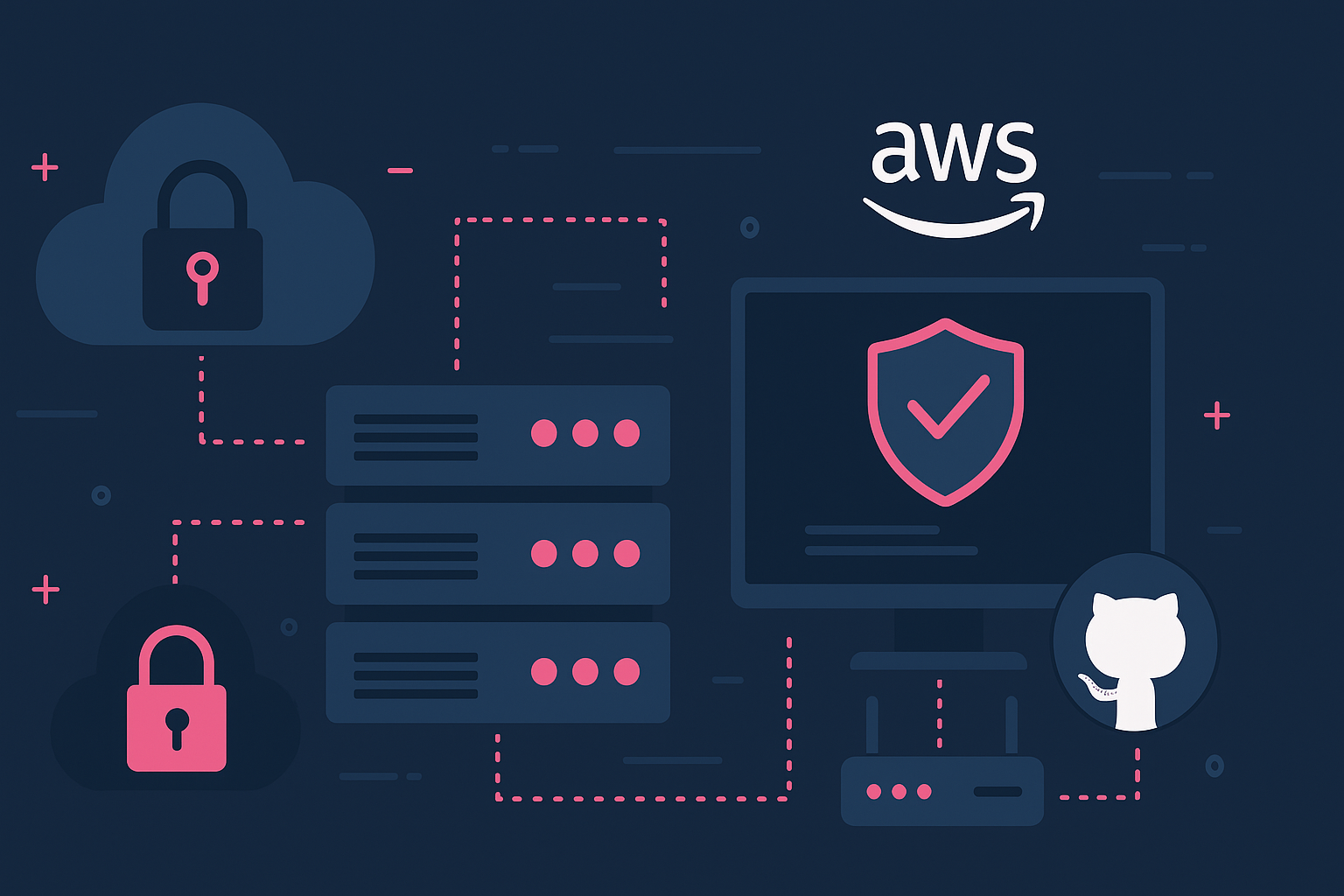
A contractor for the Cybersecurity & Infrastructure Security Agency (CISA) inadvertently exposed highly privileged AWS GovCloud account credentials and internal CISA system details by maintaining a public GitHub repository. This incident is noted as one of the most significant government data leaks, revealing sensitive operational information on how CISA builds, tests, and deploys software.
The Implementation Reality
This breach highlights a significant failure in credential and data management practices, especially within government agencies tasked with cybersecurity. By using a public GitHub repository to manage sensitive information, the contractor violated fundamental security principles such as least privilege and proper access control. Teams responsible for internal systems must assess the specific failure modes that allowed such sensitive data to be made public. This could involve reviewing access permissions, evaluating the use of public repositories, and ensuring all operational documentation is stored securely.
The blast radius of this leak is considerable, potentially affecting not only the exposed AWS accounts but also the security posture of all internal CISA systems. Organizations should ensure that sensitive configurations and credentials are never stored in public or unsecured locations. Tools like GitHub can be configured to restrict access to sensitive repositories, and integrating secrets management solutions like HashiCorp Vault or AWS Secrets Manager can help mitigate risks associated with credential exposure.
What to Do About It
- Review all public repositories for sensitive data exposure, focusing on credentials and internal documentation.
- Implement strict access controls for all repositories, ensuring that only necessary personnel have access to sensitive information.
- Adopt a secrets management solution to store and manage credentials securely, eliminating hardcoded secrets in your codebase.
- Conduct training for all personnel on secure coding practices and the risks associated with public repositories.
- Regularly audit your systems for compliance with security best practices and ensure that sensitive configurations are not exposed.
Source: Schneier on Security
At q52, we specialize in LLM integration and AI platform engineering. Let us help you move from prototype to production — architecture reviews, adapter patterns, and implementation guidance for teams building on top of AI. Explore our Engineering Prompt Library and connect with us on LinkedIn.