
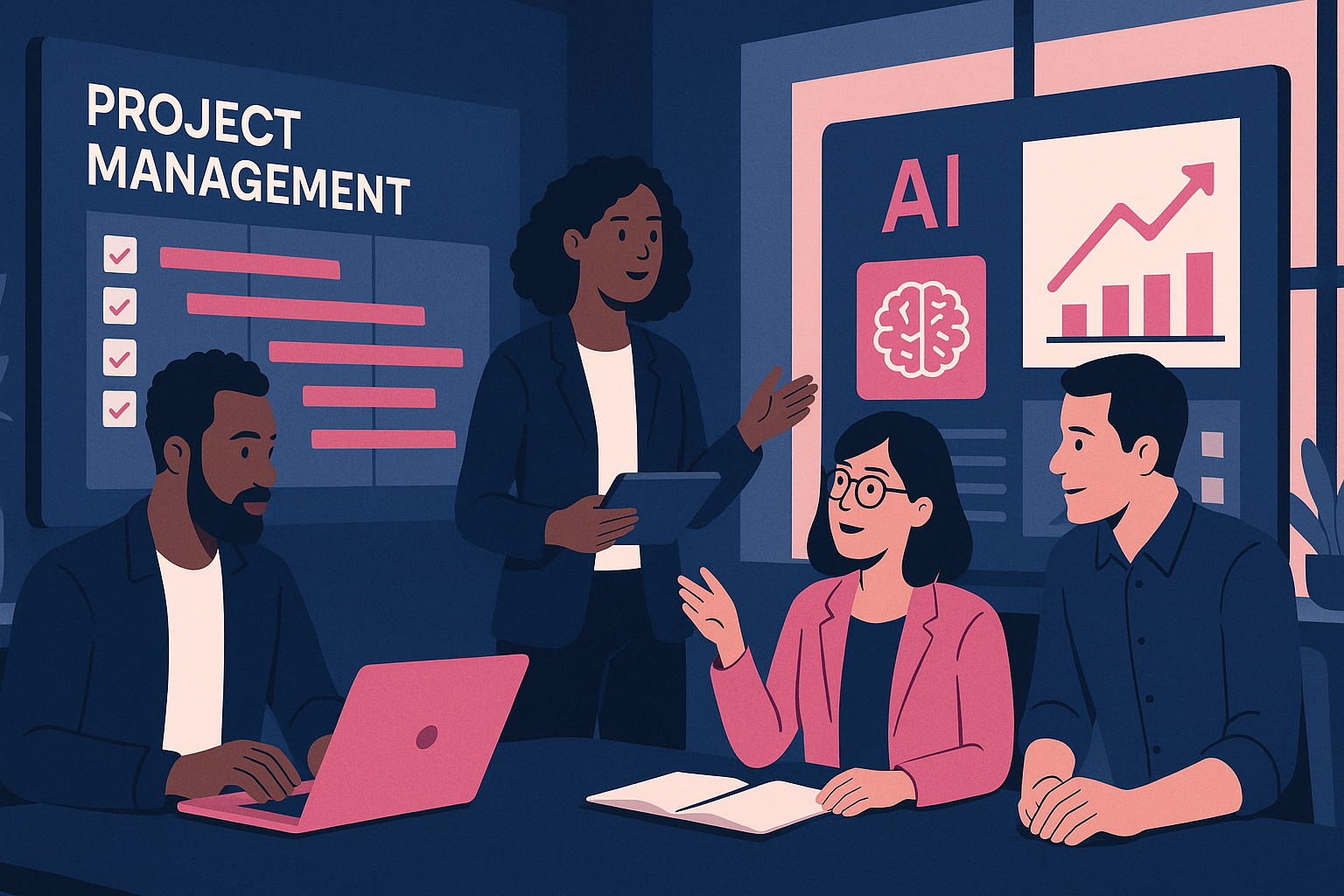
AI-Powered Project Management: The Game Changer for Professional Services
In an industry where time is money, professional services firms are under increasing pressure to deliver projects on time and within budget. The recent trend of adopting AI-powered project management tools is not just a passing fad; it is a fundamental shift that can redefine operational success. Firms that resist this change risk being outpaced by competitors who are embracing the future of project management.
The Challenge: Complex Project Dynamics
Professional services firms often juggle multiple client projects, each with its own unique requirements, timelines, and resource allocations. The complexity of managing these projects has historically led to inefficiencies, budget overruns, and ultimately, client dissatisfaction. Traditional project management methods, reliant on human oversight and manual task management, simply cannot keep up with the dynamic nature of modern projects.
AI as a Solution: Streamlining Processes
AI-powered project management tools are revolutionizing how firms handle these challenges. Here’s why:
- Predictive Analytics: AI can analyze historical data to predict potential project risks and outcomes, allowing project managers to proactively address issues before they escalate.
- Resource Optimization: AI can automate resource allocation by analyzing workloads and skill sets, ensuring that the right people are working on the right tasks at the right times.
- Real-Time Insights: With AI, project managers can access real-time data dashboards that provide insights into project progress, budget status, and team performance, facilitating quick decision-making.
- Enhanced Collaboration: AI tools can facilitate better communication among team members by automating updates and task management, reducing the chances of miscommunication.
What Breaks and What Improves?
Adopting AI in project management is not without its challenges. Organizations may face:
- Cultural Resistance: Employees may be hesitant to trust AI tools, fearing that their roles could be diminished. This requires a cultural shift that emphasizes collaboration between human insight and AI capabilities.
- Data Quality Issues: AI relies heavily on data quality. Firms must ensure that their data is clean, structured, and relevant to yield accurate insights.
However, the improvements far outweigh the drawbacks:
- Increased Efficiency: Streamlined processes lead to faster project completions, allowing firms to take on more work.
- Higher Client Satisfaction: With projects delivered on time and within budget, client relationships strengthen, leading to repeat business and referrals.
Conclusion: Embrace the Future
For operations leaders in the professional services industry, the question is no longer whether to adopt AI-powered project management tools, but rather how quickly can your organization integrate these solutions. By embracing this technology, firms can enhance their operational efficiency, improve client satisfaction, and stay competitive in a rapidly evolving marketplace.
At Q52, we understand the unique challenges faced by professional services firms. Our consulting services can help you navigate the complexities of AI adoption, ensuring a smooth transition that maximizes your operational outcomes. Connect with us on LinkedIn to learn more about how we can support your AI journey.