Your daily briefing on AI adoption, tools, and operational reality — curated by q52.ai.
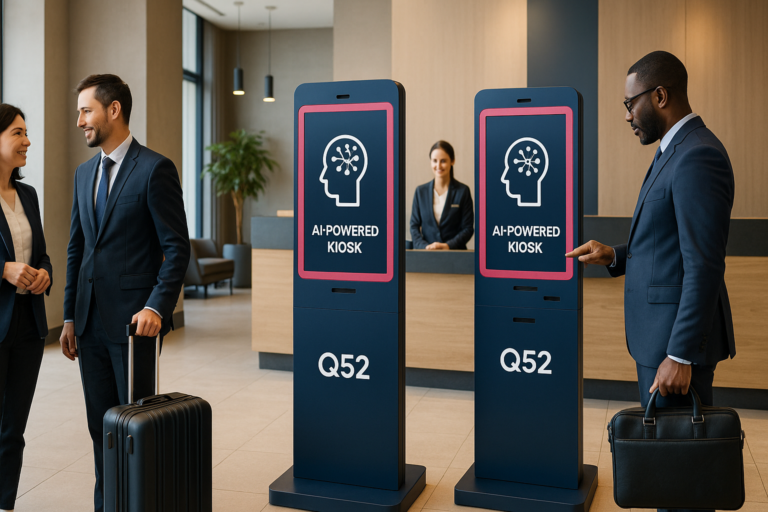
Revolutionizing Hotel Check-Ins with AI
What Is Happening: AI is transforming front desk operations in the hospitality industry by enabling automated check-in processes and personalized guest experiences. As traveler expectations evolve, hotels are adopting AI technologies to enhance efficiency and meet new demands.
Why It Matters: Implementing AI can significantly reduce wait times, improve guest satisfaction, and alleviate staffing challenges amid ongoing labor shortages. This not only helps maintain a competitive edge but also enhances operational workflows and resource management.
Q52’s Takeaway: Evaluate your current front desk operations and consider integrating AI solutions to streamline check-in processes and improve guest interactions. Engage your team to identify specific pain points that AI could address.
Read the full article on q52.ai

Ollama’s Local AI: A Game Changer for Enterprises
What Is Happening: Ollama provides a local LLM inference server that allows businesses to run AI models on-premises, reducing reliance on cloud services. This approach enhances data security and operational efficiency while cutting costs associated with cloud usage.
Why It Matters: By mitigating data breach risks and minimizing latency, Ollama enables better control over AI operations and budget predictability. This is crucial for organizations that need to tailor AI solutions to specific operational needs without the overhead of cloud dependencies.
Q52’s Takeaway: Assess your organization’s current AI strategy and explore the potential benefits of adopting local AI solutions like Ollama to enhance data security and operational efficiency. Discuss with your team how local model deployment could fit your operational goals.
Read the full spotlight on q52.ai

The Hidden Chaos Behind AI Demos
What Is Happening: Many organizations showcase impressive AI demos that promise efficiency, yet the reality often reveals chaotic backend workflows and integration issues. This disconnect leads to frustration among employees trying to manage the operational fallout.
Why It Matters: The gap between AI aspirations and operational execution can result in missed deadlines and decreased productivity. Organizations must address these integration challenges to avoid stagnation in AI implementation and realize the promised benefits.
Q52’s Takeaway: Conduct a thorough review of your current AI implementations and identify integration gaps. Encourage your team to openly discuss the challenges they face with existing systems and prioritize solutions that streamline workflows.

Agentic AI: A New Era in Healthcare
What Is Happening: The emergence of ‘agentic AI’ in healthcare allows AI systems to make autonomous decisions, enhancing patient care and interactions. This technology aims to improve efficiency in administrative tasks, enabling providers to focus more on patient engagement.
Why It Matters: For small healthcare providers, adopting agentic AI can optimize workflows and improve patient experiences, but it may also require significant upfront investments in technology and training. Ensuring compatibility with existing systems will be essential to avoid disruptions.
Q52’s Takeaway: Evaluate your practice’s administrative workflows to identify how AI could enhance patient care and streamline operations. Consider initiating a pilot project to test agentic AI tools while managing costs and minimizing risks.

Microsoft’s Legal Threats Highlight Security Vulnerabilities
What Is Happening: A security researcher disclosed critical vulnerabilities in Microsoft Windows, including issues affecting BitLocker encryption, prompting legal threats from Microsoft. This situation raises concerns about responsible vulnerability disclosure in the security community.
Why It Matters: Organizations relying on Windows products must be aware of these vulnerabilities and prioritize immediate audits and patching to mitigate risks. The potential chilling effect on researchers could hinder timely identification of security issues, increasing operational risk.
Q52’s Takeaway: Review your reliance on Microsoft security features like BitLocker and prepare for alternative measures if needed. Establish a framework for responsible disclosure that encourages collaboration with researchers to enhance your security posture.
Daily Prompt
How do you think AI will change the way we experience customer service in the future?
Try it in ChatGPT, Claude, or your favorite AI assistant. Want more? Browse the q52 Prompt Library for ready-to-use prompts built for real business outcomes.
That’s the digest for June 03, 2026.
Want this in your inbox? Subscribe to the q52 Newsletter to get the daily digest delivered automatically.
Questions? Reach out at info@q52.ai or connect on LinkedIn.