What Actually Happened
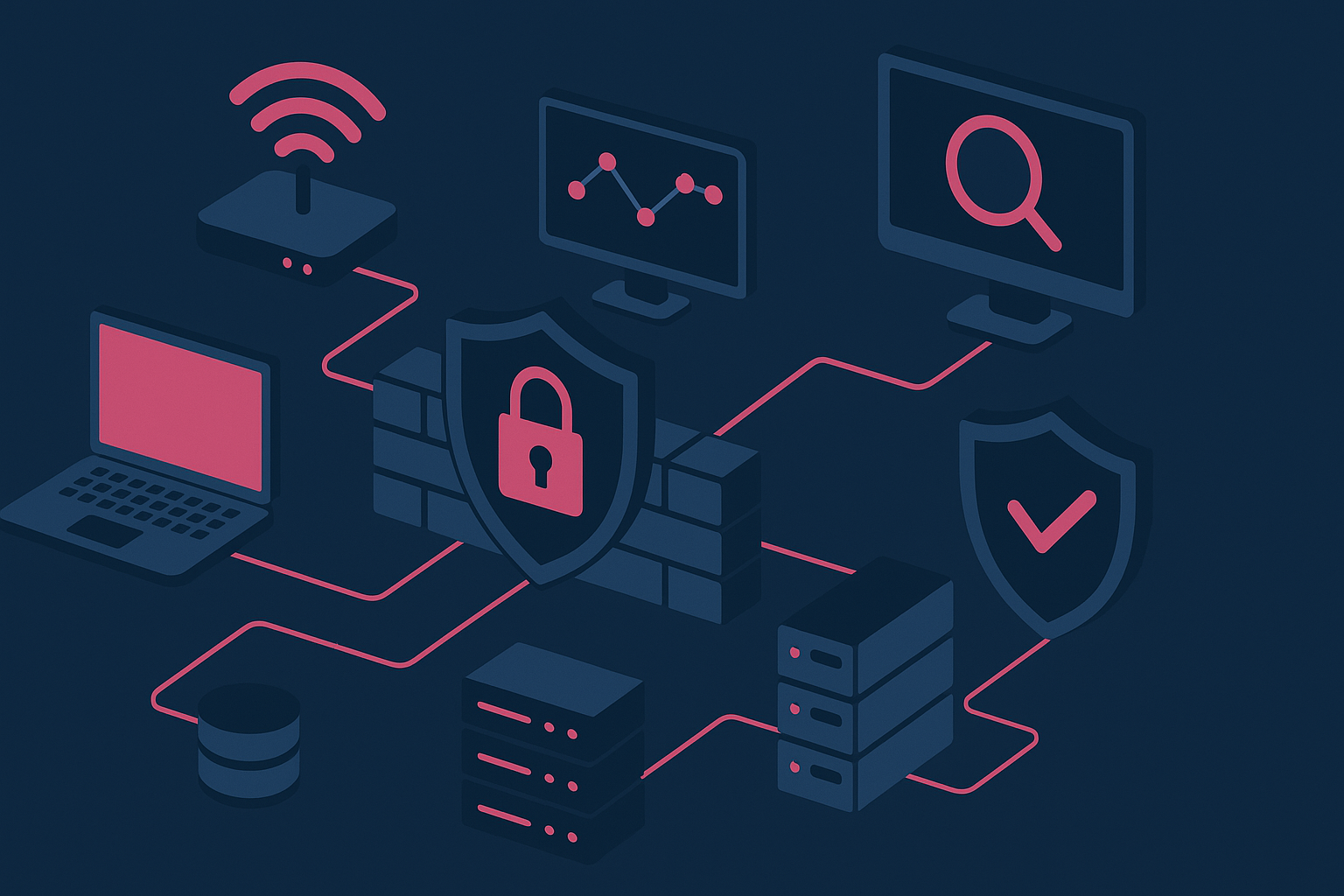
Dutch authorities have dismantled a significant botnet consisting of at least 17 million infected devices, including computers, tablets, smartphones, and IoT devices. This operation was conducted by the Dutch Politie and the National Cyber Security Center (NCSC), which seized a subset of over 200 servers from a hosting provider that facilitated the botnet’s backend infrastructure. Although the specific name of the botnet wasn’t disclosed, it has been linked to services like Asocks, which offers residential proxies that were exploited in cybercriminal activities.
The Implementation Reality
This incident highlights the ongoing challenge of securing IoT and consumer devices that can easily be compromised. The botnet leveraged vulnerabilities in devices that allowed attackers to install malware, granting remote control and turning them into part of a malicious network. For teams responsible for device management and security, this serves as a stark reminder that maintaining robust security practices is critical. The blast radius of such a botnet can be extensive, affecting not only individual devices but potentially leading to larger network outages or data breaches if not contained. Integration patterns that rely on unverified third-party services, like those providing proxies, must be scrutinized. Tools like Wazuh can help monitor for malicious activity on endpoints, while configuration management tools such as Ansible can ensure devices are regularly updated and patched against known vulnerabilities.
What to Do About It
- Update and patch all devices regularly to close vulnerabilities that could be exploited.
- Implement network segmentation to isolate IoT devices from critical infrastructure.
- Utilize monitoring tools like Wazuh to gain visibility into device activity and detect anomalies.
- Ensure strong passwords and enable two-factor authentication on all devices where possible.
- Educate users on the risks of using third-party services that could expose devices to malware.
Source: The Hacker News
At q52, we specialize in LLM integration and AI platform engineering. Let us help you move from prototype to production — architecture reviews, adapter patterns, and implementation guidance for teams building on top of AI. Explore our Engineering Prompt Library and connect with us on LinkedIn.