
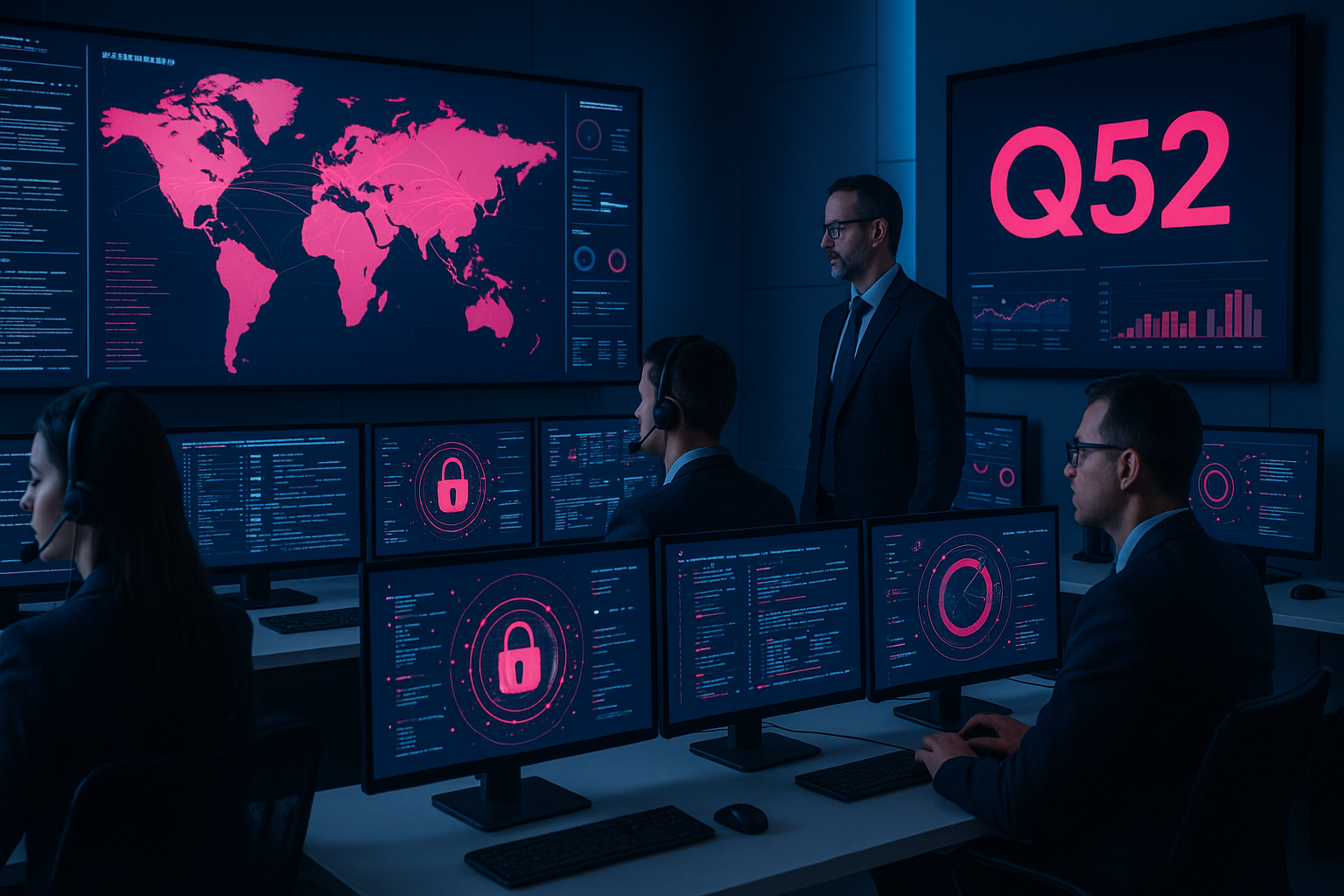
AI in Cybersecurity: The Imperative of Proactive Threat Hunting
As cyber threats become more sophisticated, the traditional reactive approach to cybersecurity simply won’t cut it anymore. In 2026, organizations are at a critical juncture: the choice between enduring costly breaches or embracing AI-powered proactive threat hunting. The latter not only enhances security posture but also transforms operational efficiency.
Recent trends show a dramatic rise in the complexity of cyber attacks, with attackers employing advanced techniques such as AI-driven malware and social engineering. This evolution underscores the need for organizations to shift from merely responding to incidents to anticipating and mitigating risks before they manifest. Here’s why proactive threat hunting powered by AI is no longer a luxury but a necessity.
The Challenge of Detection
Statistics indicate that it takes an average of 287 days to identify and contain a data breach. During this time, organizations face not only financial losses but also reputational damage and regulatory penalties. Traditional security measures, including firewalls and endpoint protections, are proving insufficient against modern adversaries who can easily bypass these defenses.
- Increased Complexity: Attackers are using multi-vector approaches that exploit vulnerabilities across networks and systems.
- Volume of Data: The sheer amount of data generated daily makes it impossible for human analysts to monitor and analyze effectively.
- Skills Gap: There is a growing shortage of cybersecurity professionals, leaving organizations understaffed and overexposed.
Proactive Threat Hunting with AI
AI algorithms excel at identifying patterns and anomalies in vast datasets, making them invaluable for proactive threat hunting. By leveraging machine learning models, organizations can:
- Detect Threats Early: AI can analyze user behavior and system logs to identify unusual activities indicative of a breach.
- Automate Responses: Automated incident responses can be triggered based on AI findings, significantly reducing response times.
- Enhance Threat Intelligence: AI can continuously learn from new threats and adapt its detection capabilities accordingly.
Organizations that deploy AI in their cybersecurity efforts are reporting reduced time to detect incidents, lower costs associated with breaches, and improved overall security posture. The technology allows for a more agile approach, enabling security teams to focus on high-value tasks rather than being bogged down by mundane monitoring.
Operational Implications
For operations leaders, adopting AI for proactive threat hunting requires a shift in mindset and strategy:
- Investment in Technology: Businesses must prioritize budget allocations for AI tools that integrate with existing security infrastructure.
- Training and Culture: Staff should be trained not only in AI tools but also in a proactive security mindset, fostering a culture of vigilance.
- Continuous Evaluation: Regular assessments of AI performance and threat landscapes are essential to refine strategies and tools.
The future of cybersecurity lies in proactive measures, and AI is the key enabler. Organizations that recognize this shift will not only protect themselves from emerging threats but will also gain a competitive edge in a landscape where trust and security are paramount.
At Q52, we help organizations navigate the complexities of AI adoption in cybersecurity. Our expert consulting services and tailored AI solutions can empower your security operations to become proactive, resilient, and future-ready. Connect with us on LinkedIn to learn more about our approach.
For practitioners evaluating implementation tradeoffs in AI for security operations, explore our resources at app.q52.ai.