AI in Education: The Imperative Shift from Traditional Assessment to Personalized Learning
As we stand at the precipice of a new era in education, it’s clear that traditional assessment methods are failing to meet the needs of today’s diverse student populations. Gone are the days when standardized tests could accurately measure a student’s potential or learning journey. The operational challenge for educational institutions is not just about adopting AI tools, but fundamentally transforming how assessments are designed and executed. The future of education lies in personalized learning powered by artificial intelligence.
The Limitations of Traditional Assessment
Standardized testing has long been the backbone of educational assessment, yet it is riddled with flaws. These assessments often fail to capture the individual learning styles, interests, and paces of students. For operations leaders in education, this presents a dual challenge: the inefficiency of current assessment processes and the pressing need to cater to diverse learning needs.
AI-Powered Personalized Learning: A Game Changer
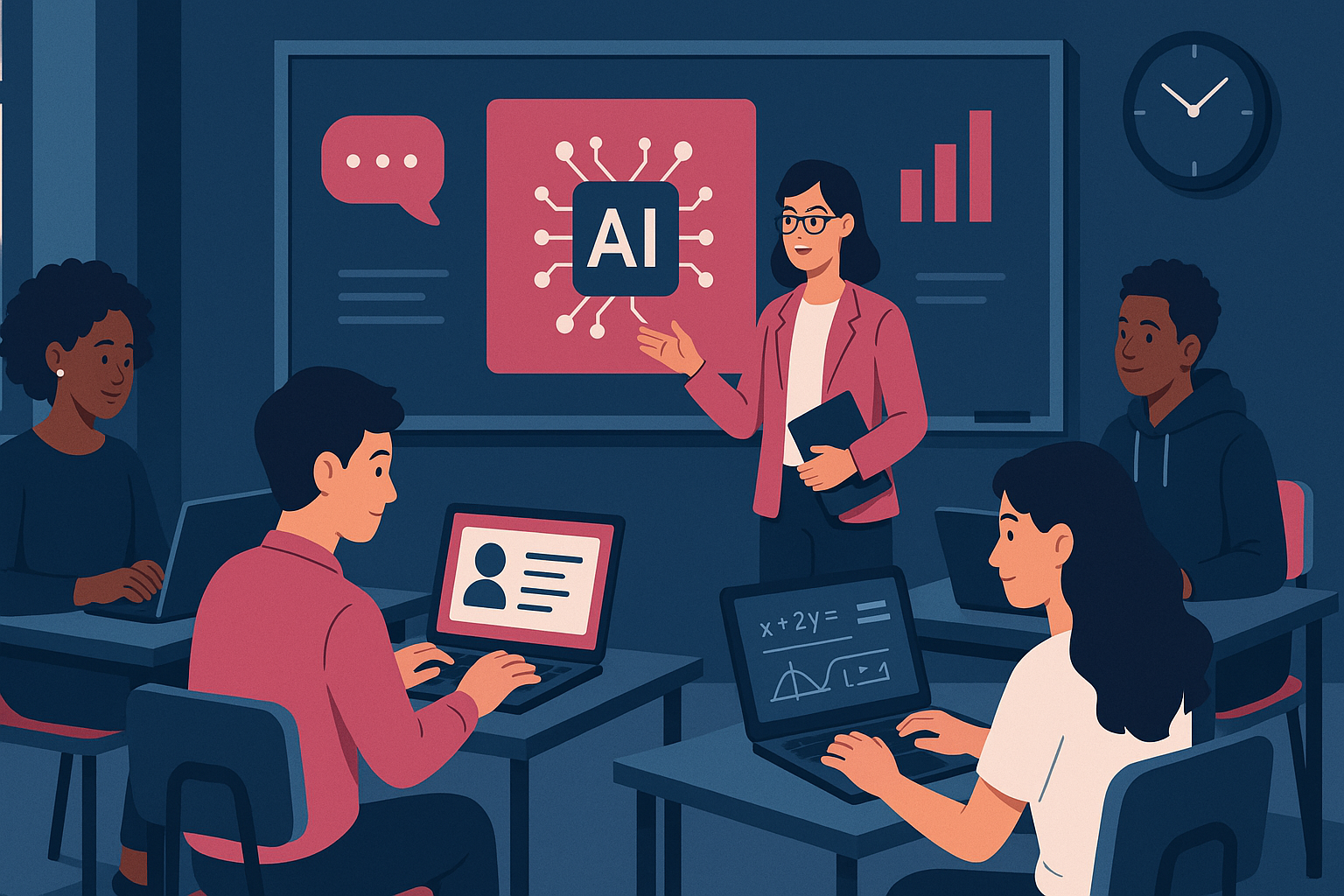
AI is revolutionizing how we think about assessments and learning pathways. By harnessing data analytics and machine learning algorithms, educational institutions can create customized learning experiences that adapt in real-time to each student’s progress. This shift not only enhances the learning experience but also drives operational efficiency.
Operational Implications of AI Adoption in Education:
- Data-Driven Decision Making: AI tools can analyze vast amounts of student data to identify learning gaps and strengths, enabling educators to tailor instructions effectively.
- Reduction in Administrative Burden: Automated grading systems can significantly alleviate the workload on educators, allowing them to focus more on teaching than on administrative tasks.
- Enhanced Student Engagement: Personalized learning paths keep students engaged and motivated, which can lead to higher retention rates and better overall performance.
- Real-Time Feedback: AI systems can provide immediate feedback to students, fostering a more interactive and responsive learning environment.
The Risks of Inaction
Ignoring the potential of AI in reshaping assessments could lead to stagnation in educational delivery. As competitors embrace these technologies, institutions that cling to outdated methods risk losing students to more innovative, responsive alternatives. The operational costs of inaction will be felt not just in lost enrollments but also in inefficiencies that could otherwise be mitigated through AI.
Moving Forward: An Action Plan
For operations leaders, the path to AI adoption in assessment is clear but requires strategic planning:
- Invest in AI Infrastructure: Ensure that your institution has the necessary technological backbone to support AI applications.
- Train Staff: Educators must be equipped with the skills to leverage AI tools effectively. Continuous professional development is essential.
- Engage Stakeholders: Create a dialogue with students, parents, and faculty about the benefits of personalized learning and gather feedback to refine AI initiatives.
- Monitor and Adjust: Implement feedback loops to continuously assess the effectiveness of AI-driven assessments and make necessary adjustments.
Conclusion
The transition from traditional assessment methods to AI-powered personalized learning is not just a trend; it’s an operational necessity. Educational institutions must embrace these changes to enhance learning outcomes and remain competitive. At Q52, we specialize in guiding organizations through AI adoption, ensuring your strategic objectives align with technological advancements. Dive deeper into how we can help your institution leverage AI for better educational outcomes by visiting Q52 on LinkedIn.