
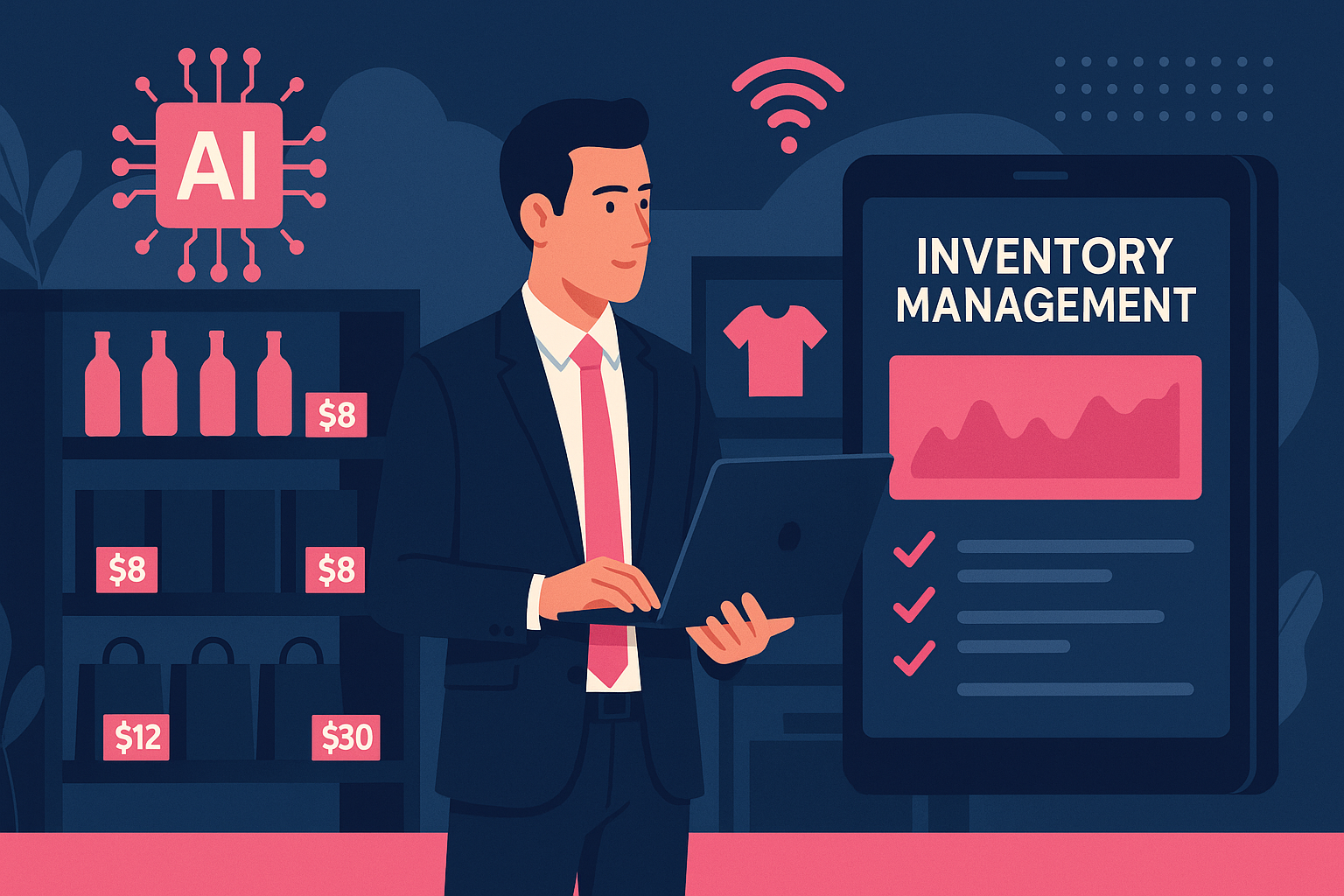
AI-Powered Inventory Management: The Game Changer Retailers Can’t Ignore
In the fast-paced world of retail, the difference between a thriving business and an unstable one often boils down to inventory management. As we dive into 2026, the retail landscape is increasingly shaped by the adoption of artificial intelligence (AI) tools that tackle one of the most persistent operational challenges: overstock and stockouts. The stakes have never been higher, and it’s time for operations leaders to get serious about AI.
The latest trend in AI adoption centers on predictive analytics and automated inventory optimization. Traditional inventory systems, while functional, have proven inadequate in keeping pace with the dynamic nature of consumer demand. AI, however, offers a solution that not only anticipates demand shifts but also aligns stock levels accordingly, drastically reducing the risks of overstocking and stockouts. The operational implications are profound:
- Increased Efficiency: AI algorithms analyze historical sales data, seasonal trends, and even social media sentiment to forecast demand with remarkable accuracy. This means less time spent on manual stock checks and more efficient restocking processes.
- Cost Reduction: By minimizing excess inventory, retailers can free up cash flow and reduce storage costs. Conversely, preventing stockouts ensures that sales opportunities are not missed, directly impacting revenue.
- Enhanced Customer Experience: Shoppers expect product availability. When retailers utilize AI for inventory management, they can meet customer needs more effectively, fostering loyalty and repeat business.
- Agility in Response: The retail environment is unpredictable. AI enables businesses to pivot quickly by adjusting inventory strategies in real-time based on changing consumer behavior or market conditions.
However, the AI adoption journey is not without its pitfalls. Many retailers are hesitant, burdened by the fear of initial investment costs and the complexity of integration into existing systems. But ignoring this trend is a gamble that could cost far more in terms of lost sales and customer trust.
Consider the recent case of a mid-sized retail chain that integrated an AI-driven inventory management system. Within six months, they reported a 30% reduction in excess inventory, while simultaneously decreasing stockout incidents by 50%. This not only improved their bottom line but also enhanced customer satisfaction ratings significantly.
As operations leaders, the call to action is clear: invest in AI for inventory management now, or risk being left behind in a market that increasingly prioritizes efficiency and customer satisfaction. As the retail sector continues to evolve, adapting to consumer expectations and operational efficiencies will be crucial.
At Q52, we specialize in guiding organizations through the complexities of AI adoption. Our consulting services can help you develop a tailored AI strategy that aligns with your operational goals, ensuring that you harness the full potential of AI to transform your inventory management practices. Connect with us on LinkedIn to see how we can help you navigate this pivotal journey: Q52 LinkedIn.