
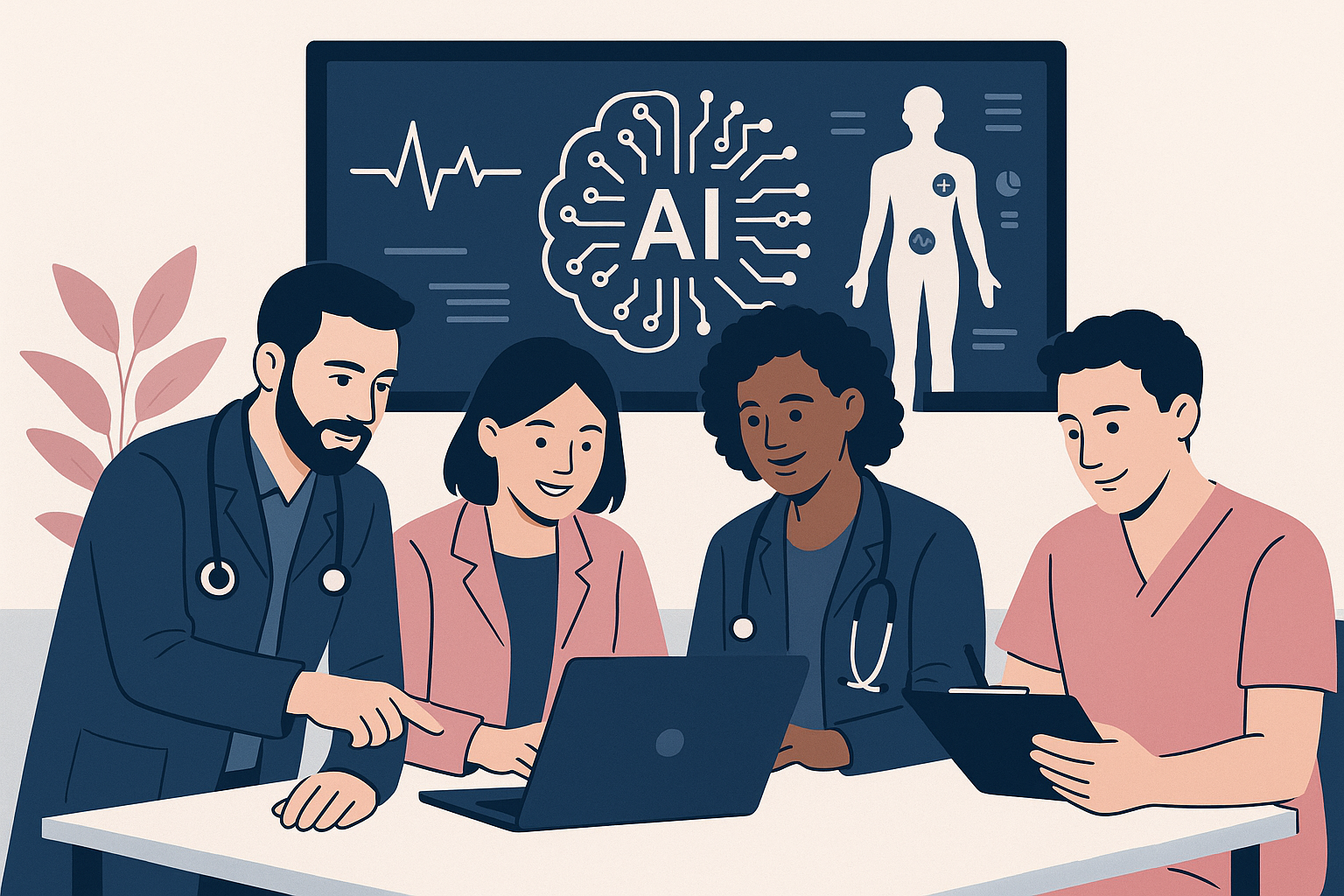
Are AI Tools the Answer to Patient Engagement Challenges?
In an era where healthcare is increasingly data-driven yet paradoxically personal, one operational challenge stands out: patient engagement. A 2023 report revealed that nearly 70% of healthcare providers acknowledge difficulties in maintaining effective communication with patients. This shortfall not only affects patient satisfaction but also leads to poor outcomes, increased readmission rates, and ultimately, diminished revenue. As operations leaders, the onus is on us to leverage artificial intelligence (AI) to bridge this communication gap.
The Engagement Gap
Patients today expect seamless communication and personalized experiences, yet many healthcare organizations still rely on outdated models of engagement. Traditional methods, such as one-way notifications or sporadic follow-ups, fail to meet the needs of modern patients. In a world where convenience is king, this is a significant operational challenge that must be addressed.
AI as the Solution
AI-powered tools present a transformative opportunity to enhance patient engagement through:
- Personalized Communication: AI can analyze patient data to tailor messages and reminders, providing relevant health information based on individual needs and preferences.
- 24/7 Accessibility: Chatbots and virtual assistants can offer patients immediate answers to their queries, significantly reducing wait times and improving satisfaction.
- Proactive Outreach: AI can identify patients at risk of non-compliance or readmission, enabling healthcare providers to intervene before issues escalate.
For instance, a recent case study involving a mid-sized healthcare provider showed that implementing an AI-driven engagement platform led to a 30% increase in appointment adherence and a 25% reduction in unnecessary readmissions. These numbers are not just impressive; they highlight the operational efficiencies that can be achieved when AI is integrated thoughtfully into daily operations.
Operational Implications
However, adopting AI is not without its hurdles. Operations leaders must consider:
- Data Quality: AI systems are only as good as the data they ingest. Ensuring high-quality, comprehensive patient data is critical for AI to function effectively.
- Staff Training: Employees must be trained not only to use AI tools but also to interpret insights generated by these systems for enhanced patient care.
- Integration Challenges: Integrating AI tools with existing health IT systems can be complex, requiring time and resources to ensure seamless operations.
For those willing to navigate these challenges, the rewards are significant. Improved patient engagement not only enhances satisfaction but also drives operational efficiencies—leading to better health outcomes and a healthier bottom line.
Conclusion
As operations leaders, we cannot afford to overlook the potential of AI in revolutionizing patient engagement. The healthcare industry is at a crossroads, and those who embrace AI will be better positioned to meet the evolving expectations of patients while improving operational efficiencies. It’s time to take action and invest in AI solutions that not only address today’s challenges but also pave the way for a more responsive and effective healthcare system. For more insights on leveraging AI in your operations, connect with us at Q52.