AI-Powered Personalization: The Key to Operational Efficiency in Hospitality
If you think the hospitality industry is simply about providing a bed and breakfast, think again. The modern traveler demands personalization, and AI is stepping up to meet that challenge. As we navigate 2026, AI adoption in hospitality is not just a trend; it’s a necessity that addresses the pressing operational challenge of guest personalization.
The Challenge: Meeting Growing Expectations
In today’s hyper-competitive landscape, travelers expect more than just a roof over their heads—they want a tailored experience that reflects their preferences and needs. From personalized welcome messages to bespoke room amenities, the expectation of customization has never been higher. Yet, many hospitality operators struggle to leverage the data they collect from guests effectively. Here’s where AI comes in.
Why AI Personalization is Non-Negotiable
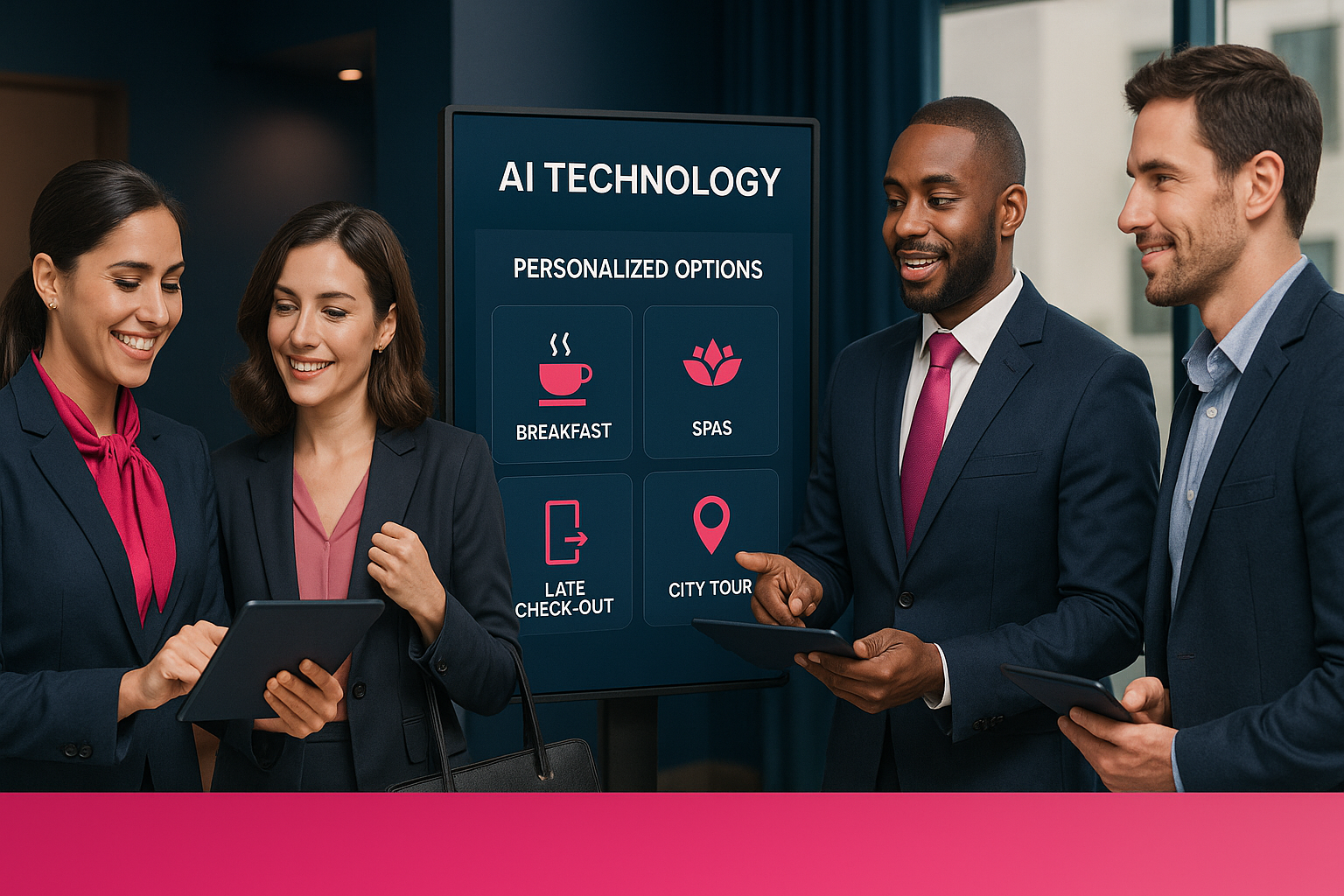
AI technologies can analyze vast amounts of data—guest preferences, booking history, and even social media activity—to create a personalized experience that enhances guest satisfaction and loyalty. Consider the following operational implications:
- Enhanced Guest Experience: AI can tailor recommendations for dining, activities, and even room settings based on individual preferences, leading to higher satisfaction and repeat bookings.
- Operational Efficiency: By automating routine tasks such as booking confirmations and preference tracking, staff can focus on high-value interactions with guests, improving service quality.
- Data-Driven Decision Making: AI tools can provide insights into trends and behaviors, allowing operators to make informed decisions about pricing, marketing, and service offerings.
What’s Breaking and What’s Improving
While the benefits are clear, the transition to AI-driven personalization is not without its challenges:
- Data Privacy Concerns: As operators collect more data to deliver personalized experiences, they must navigate stringent privacy regulations. Transparency and compliance will be critical.
- Integration Issues: Many hospitality systems are outdated and may not easily integrate with AI solutions, requiring investment in new technology.
- Staff Training: Employees must be trained not only to use AI tools but to understand their implications for guest interactions, ensuring a seamless blend of technology and human touch.
Conclusion: Embrace AI or Get Left Behind
The hospitality industry stands at a crossroads. Those who embrace AI-driven personalization will not only improve operational efficiency but also elevate the guest experience—leading to increased loyalty and profitability. On the other hand, operators who resist this shift risk falling behind competitors who are more agile and data-savvy.
At Q52, we understand that adopting AI in hospitality requires a strategic approach. Our consulting services can help you evaluate your current operations, integrate AI solutions, and train your staff, ensuring a smooth transition to a more personalized guest experience.
For insights and updates, follow us on LinkedIn: Q52 LinkedIn.