
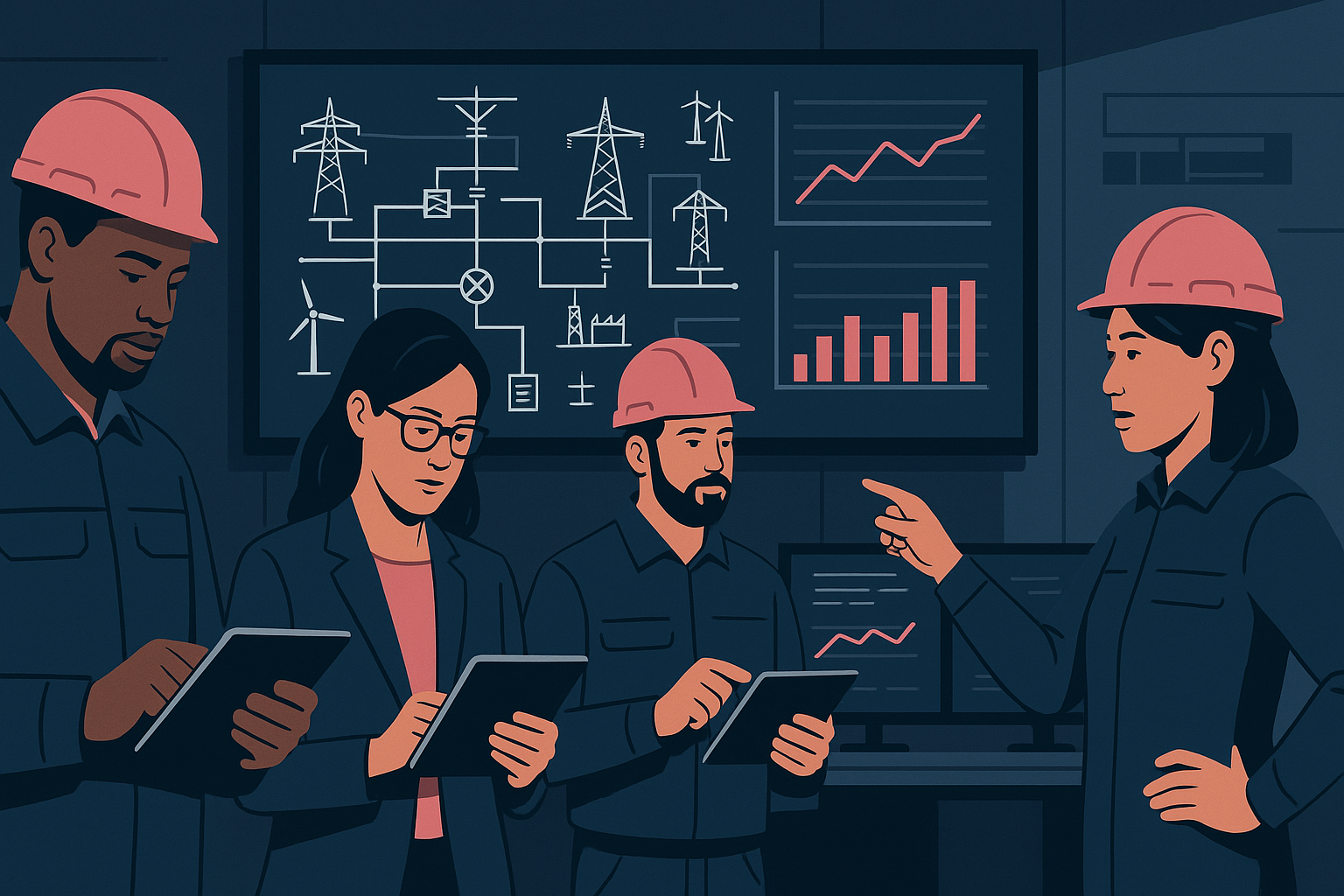
AI-Powered Predictive Maintenance: The Key to Resilient Energy & Utilities Operations
As the energy and utilities sector grapples with aging infrastructure, fluctuating demand, and the need for sustainability, the adoption of AI has emerged as a crucial lever for operational efficiency. The recent trend towards predictive maintenance powered by AI is not just a technological advancement; it is a transformative strategy that can redefine how organizations manage their assets and respond to challenges.
Consider this: according to a recent report by the U.S. Department of Energy, failure to adopt predictive maintenance can lead to downtime costs as high as $260,000 per hour for utilities. With conventional maintenance schedules, organizations often find themselves reacting to equipment failures rather than preventing them. This reactive approach can lead to significant operational disruptions and financial losses. The urgency for change is palpable, and AI presents a pathway to a much-needed operational evolution.
Operational Implications of AI in Predictive Maintenance
Adopting AI-driven predictive maintenance transforms how energy and utility companies approach asset management. Here’s how:
- Real-Time Data Analysis: AI systems analyze vast amounts of data from sensors and IoT devices, providing real-time insights into equipment health. This enables operators to identify potential failures before they occur.
- Reduced Downtime: By predicting when maintenance is needed, organizations can schedule repairs during non-peak hours, minimizing service interruptions and enhancing reliability for customers.
- Cost Efficiency: Predictive maintenance can reduce maintenance costs by up to 30% and extend the lifespan of critical assets, allowing for better allocation of financial resources.
- Improved Safety: Proactively addressing equipment issues reduces the risk of accidents, safeguarding both employees and the environment.
- Enhanced Sustainability: By optimizing equipment performance, AI can also help reduce emissions and improve energy efficiency, aligning with regulatory requirements and corporate responsibility goals.
Challenges and Considerations
While the benefits of AI-driven predictive maintenance are compelling, the transition is not without its challenges. Organizations must navigate issues such as:
- Data Quality: The effectiveness of AI relies heavily on the quality of the data collected. Inconsistent or incomplete data can lead to inaccurate predictions.
- Cultural Resistance: Operational leaders must champion a shift in mindset within their teams, fostering a culture that embraces data-driven decision-making.
- Integration with Legacy Systems: Many utilities still rely on outdated infrastructure that may not be easily compatible with modern AI solutions. Identifying a seamless integration strategy is critical.
Conclusion: The Future is Predictive
In an industry where reliability and efficiency are paramount, the shift towards AI-powered predictive maintenance is not merely an option—it’s a necessity. Energy and utilities leaders who do not embrace this trend risk falling behind in a rapidly evolving market. The future is predictive; those who adopt these technologies will lead the charge into a more resilient and sustainable energy landscape.
At Q52, we understand the intricacies of AI adoption in the energy and utilities sector. Our expertise in AI strategy and engineering can help your organization navigate this transformative journey. Partner with us to ensure your operations are equipped for the challenges ahead. Connect with us on LinkedIn or visit our website to learn more.