AI: The Game Changer for Hospitality’s Labor Shortage Crisis
In the wake of a global labor shortage, the hospitality industry faces an urgent operational challenge: how to maintain high service levels while grappling with a dwindling workforce. Enter artificial intelligence, a technology that is no longer just a futuristic concept but a practical solution that savvy operators are leveraging to reshape their operations.
The hospitality sector has always been labor-intensive, but the pandemic exacerbated an existing issue—attracting and retaining talent. As hotels, restaurants, and resorts struggle to fill vacancies, many are turning to AI-driven solutions to optimize labor efficiency, enhance guest experiences, and ultimately drive profitability.
The Operational Implications of AI in Hospitality
Adopting AI in hospitality operations isn’t merely about implementing new technology; it’s about fundamentally rethinking how businesses operate. Here’s what you need to know:
- Streamlined Operations: AI can analyze data to predict peak times, enabling managers to allocate staff more effectively. No more guessing—your staffing decisions are data-driven.
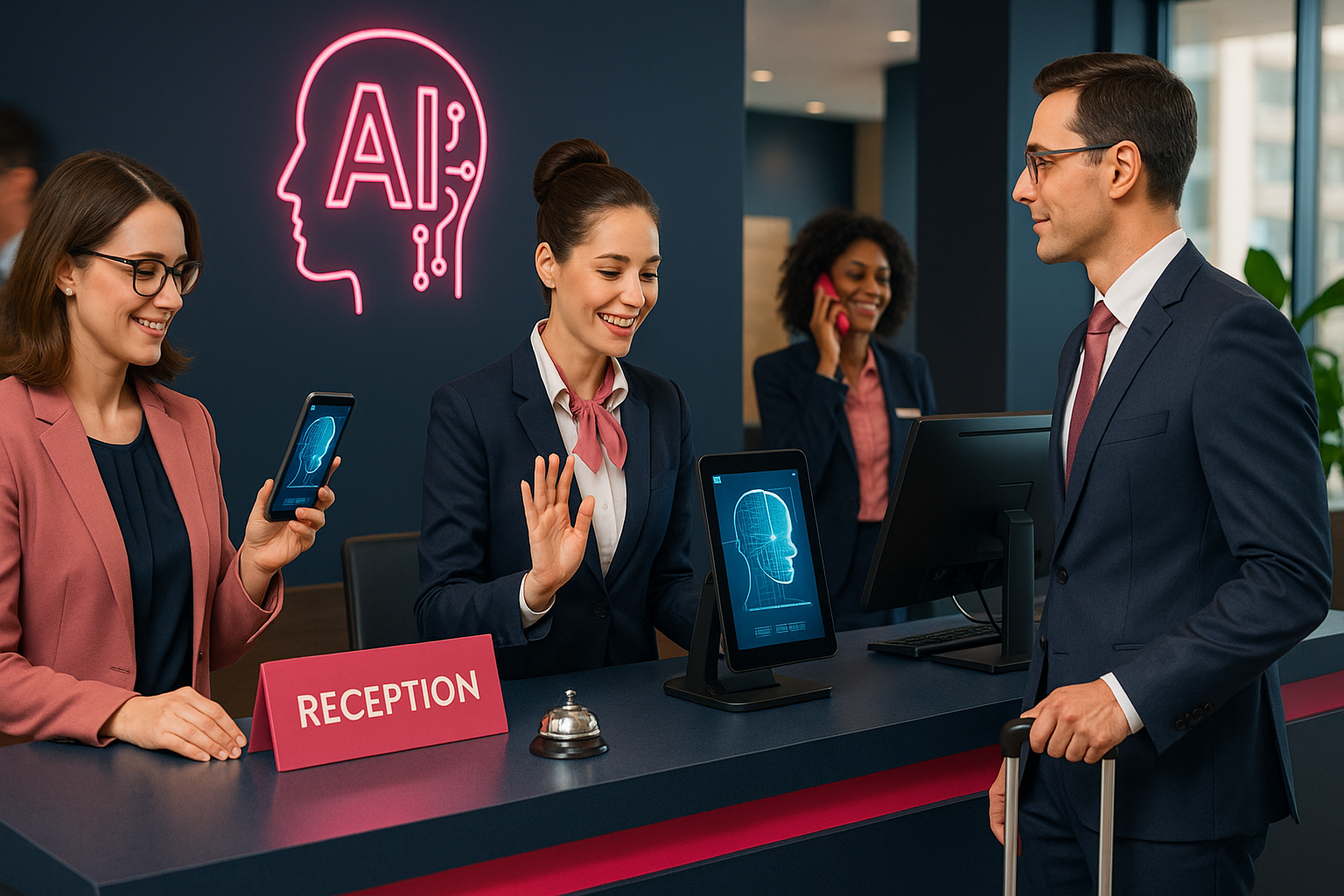
- Enhanced Guest Experience: Chatbots and AI-driven concierge services provide 24/7 support, answering guest queries, and managing reservations without human intervention. This frees up staff to focus on personalized guest interactions.
- Cost Efficiency: Automation of routine tasks such as check-ins, billing, and housekeeping management can significantly reduce operational costs while maintaining high service standards.
- Data-Driven Insights: AI systems can analyze guest feedback and operational data in real-time, allowing for immediate adjustments in service delivery, menu offerings, or marketing strategies.
However, AI adoption is not without its challenges. The initial investment can be substantial, and there is a steep learning curve associated with integrating AI into existing systems. Operations leaders must weigh these factors against the potential for enhanced efficiency and guest satisfaction.
Why Now is the Time to Embrace AI
As we move further into 2026, the hospitality industry cannot afford to sit on the sidelines. The competition is fierce, and those who embrace AI will not only survive but thrive. Recent trends show that establishments incorporating AI solutions are seeing increased customer loyalty and higher revenue streams.
Consider the data: a recent study indicated that hotels implementing AI-driven revenue management systems reported a 10-15% increase in revenue per available room (RevPAR). This isn’t a coincidence—AI’s ability to analyze vast datasets and forecast trends provides a competitive edge that traditional methods simply can’t match.
Moreover, hiring and training new staff is a lengthy and expensive process. AI can help mitigate the impact of labor shortages by optimizing existing resources and ensuring that the limited workforce available is utilized to its fullest potential.
Conclusion: A Call to Action for Operations Leaders
In conclusion, the hospitality industry is at a crossroads, and AI adoption is not just an option; it’s a necessity. Operations leaders must take the reins and lead their organizations into this new era of efficiency and customer engagement. The longer you wait, the further behind you risk falling in a rapidly evolving market.
At Q52, we specialize in guiding businesses through the complexities of AI adoption, ensuring that your transition is smooth and effective. Let us help you optimize your operations today. Connect with us on LinkedIn or visit our website to learn more about our consulting services.