
Back-Office Automation: A New Era of AI-Driven Efficiency Amid Rising Cybersecurity Concerns
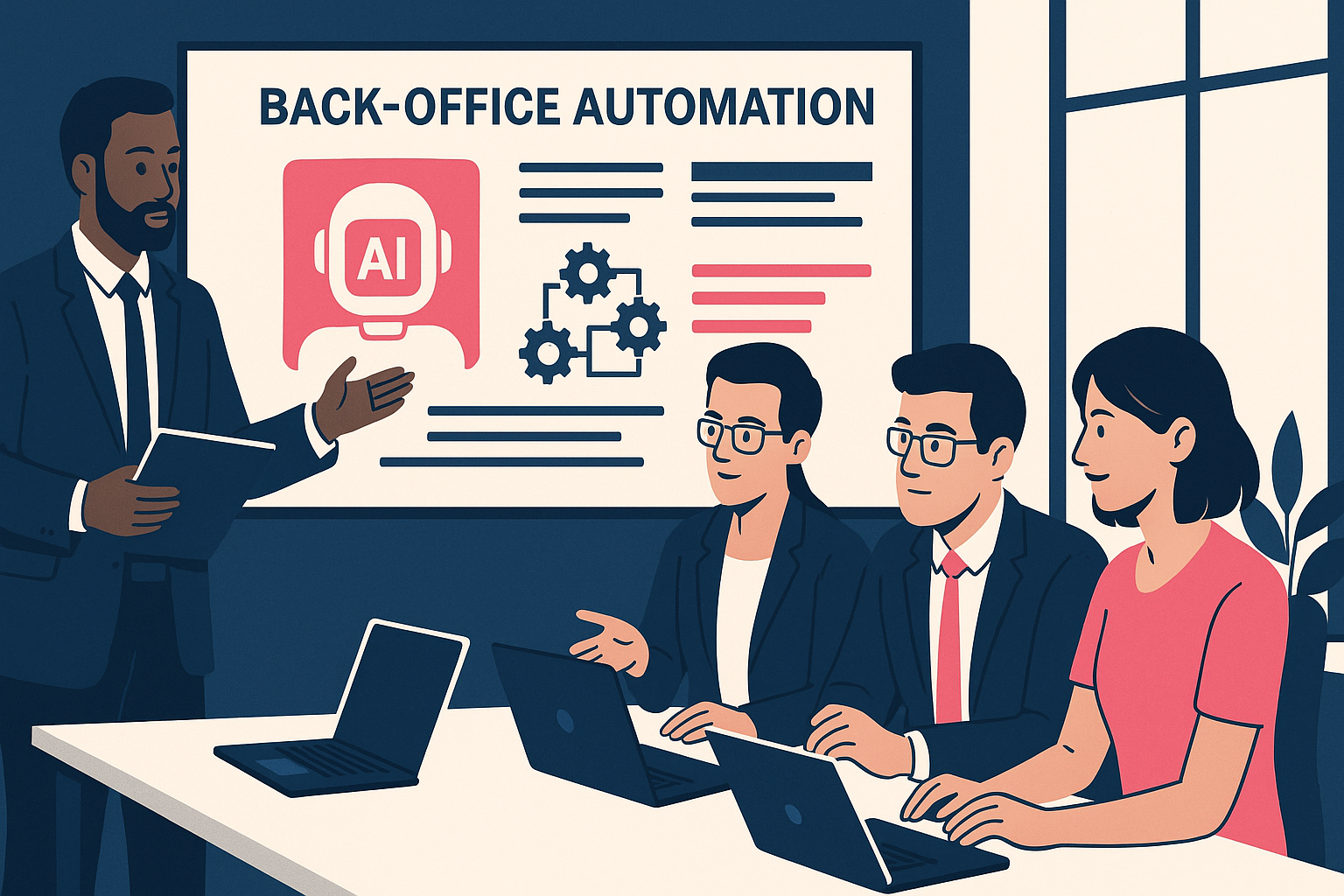
In the relentless pursuit of efficiency, back-office operations are witnessing a seismic shift spurred by AI adoption. As organizations scramble to automate processes and reduce overhead, the integration of AI technologies is reshaping the landscape of back-office functions. However, this transformation comes with a caveat — a surge in cybersecurity threats that can undermine these advancements. The question is: can companies leverage AI for back-office automation while simultaneously fortifying their defenses against cyber risks?
Recent trends indicate that businesses are increasingly deploying AI tools to automate mundane tasks such as data entry, invoice processing, and customer support. While the potential for operational efficiency is tremendous, the rise in automation has inevitably attracted the attention of cybercriminals. As we dive deeper into this dual-edged sword of AI and automation, operations leaders must grapple with the operational implications of this trend.
The Cybersecurity Dilemma in Automation
As organizations adopt AI for back-office automation, they inadvertently expand their attack surface. Cybersecurity breaches in automated systems can lead to catastrophic consequences — from data theft to complete operational shutdowns. Here are some operational challenges that arise from this trend:
- Increased Vulnerability: Automated systems, if not adequately secured, can become prime targets for cyberattacks. This vulnerability necessitates a reevaluation of security protocols.
- Complexity of Integration: Integrating AI solutions with existing legacy systems can create unforeseen security loopholes that malicious actors can exploit.
- Resource Allocation: Companies must allocate resources not just for automation but also for enhanced cybersecurity measures, which can strain budgets and divert attention from core operations.
- Compliance and Regulations: The need to comply with data protection regulations becomes more complex as AI systems handle sensitive information, requiring robust governance frameworks.
Operational Improvements Through AI
Despite these challenges, the benefits of AI adoption in back-office automation are undeniable. When implemented correctly, AI can lead to significant operational improvements:
- Efficiency Gains: Automating repetitive tasks allows employees to focus on higher-value activities, driving productivity and job satisfaction.
- Data Accuracy: AI algorithms can reduce human errors in data handling, leading to more reliable information for decision-making.
- Scalability: AI solutions can easily scale operations up or down based on demand, providing organizations with the agility to respond to market changes.
- Cost Reduction: By streamlining processes, companies can reduce operational costs, leading to improved profitability.
Conclusion: A Balanced Approach to AI Adoption
As we witness this new era of back-office automation, operations leaders must adopt a balanced approach to AI adoption. Embrace the efficiency and productivity gains that AI offers, but do not underestimate the importance of robust cybersecurity measures. By investing in secure AI solutions and fostering a culture of cybersecurity awareness, organizations can enjoy the benefits of automation without compromising their data and operational integrity.
For operations leaders navigating this landscape, Q52 offers consulting services and solutions tailored to your unique challenges. We can help you implement AI-driven back-office automation while ensuring your cybersecurity posture is strong enough to withstand emerging threats. Connect with us on LinkedIn to learn more about how we can assist your organization: Q52 LinkedIn.