
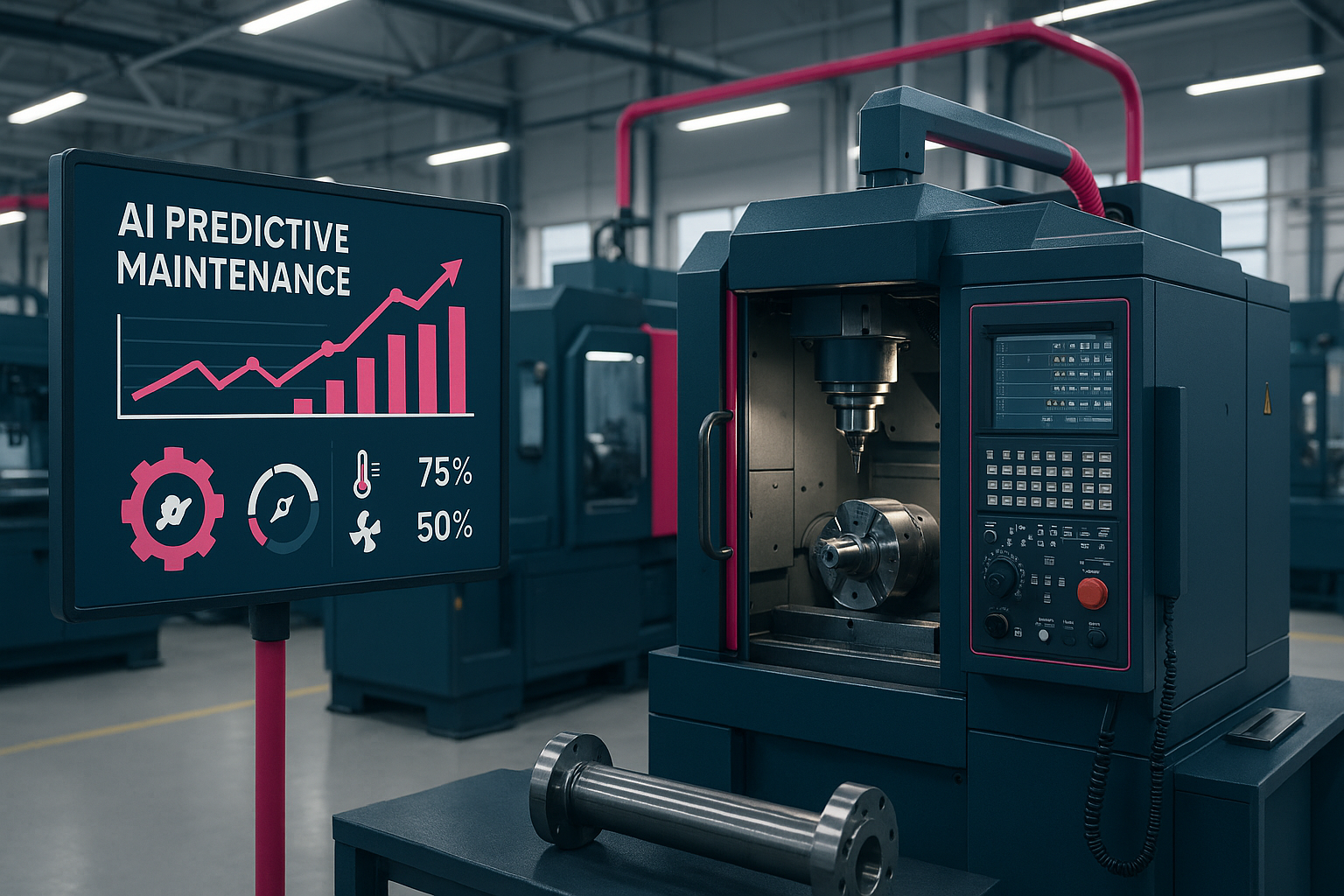
Manufacturing Resilience: How AI is Transforming Predictive Maintenance Beyond Traditional Boundaries
In the high-stakes world of manufacturing, where every second of downtime can translate into lost revenue, the traditional methods of maintenance are quickly becoming obsolete. As operations leaders, it’s critical to understand that the future of predictive maintenance is no longer about just preventing breakdowns but about enhancing the entire production ecosystem through AI-driven insights.
Let’s face it: the manufacturing industry has been slow to adopt AI technologies, often falling back on legacy systems and outdated processes. However, recent advancements in AI capabilities are creating a seismic shift in how manufacturers approach predictive maintenance. The combination of machine learning algorithms, IoT sensors, and real-time data analytics is enabling a proactive stance that not only anticipates failures but optimizes maintenance schedules, improves operational efficiency, and drives profitability.
The Operational Challenge: Overcoming Data Silos
One of the most significant barriers to successful AI adoption in manufacturing is the existence of data silos. Operational data often resides in disparate systems, making it difficult for manufacturers to leverage the full potential of AI. Without a unified view of equipment performance, maintenance schedules become reactive rather than proactive. This is where AI can create a transformational impact by breaking down these silos and providing a comprehensive view of operations.
Here are the operational implications of embracing AI in predictive maintenance:
- Enhanced Data Integration: AI systems can aggregate data from various sources, creating a holistic view of machinery performance and enabling better decision-making.
- Timely Interventions: By analyzing historical data and real-time sensor inputs, AI can predict when a machine is likely to fail, allowing for timely interventions that minimize downtime.
- Optimized Resource Allocation: Predictive maintenance driven by AI allows for more efficient scheduling of maintenance tasks, reducing labor costs and maximizing equipment utilization.
- Improved Safety Standards: By anticipating equipment failures, AI can help mitigate safety risks associated with malfunctioning machinery.
Recent Trends: AI-Driven Predictive Maintenance in Action
Recent case studies illustrate the profound impact that AI-driven predictive maintenance can have on manufacturing operations. For instance, a leading automotive manufacturer implemented an AI solution that integrated data from over 10,000 sensors across their production line. The result? A 30% reduction in unplanned downtime and a significant decrease in maintenance costs.
Moreover, companies leveraging AI technologies are seeing improved worker productivity and morale. When maintenance teams have the tools to anticipate issues rather than react to them, they can focus on more strategic initiatives that add value to the organization. This shift not only enhances operational efficiency but also fosters a culture of innovation and continuous improvement.
Conclusion: The Time for AI is Now
As operations leaders, the message is clear: if you are not integrating AI into your predictive maintenance strategy, you risk falling behind. The competitive landscape is evolving, and those who leverage AI to optimize their maintenance processes will gain a significant edge.
Don’t be left in the dust of outdated practices. Embrace AI-driven predictive maintenance to not only enhance your operational resilience but also to transform your entire manufacturing ecosystem. At Q52, we specialize in helping organizations navigate the complexities of AI adoption and tailor solutions that drive tangible results. Let’s connect and explore how we can support your journey towards operational excellence.
Follow us on LinkedIn for more insights: Q52 on LinkedIn