Manufacturing’s AI-Powered Quality Control: A Game Changer or a Risky Gamble?
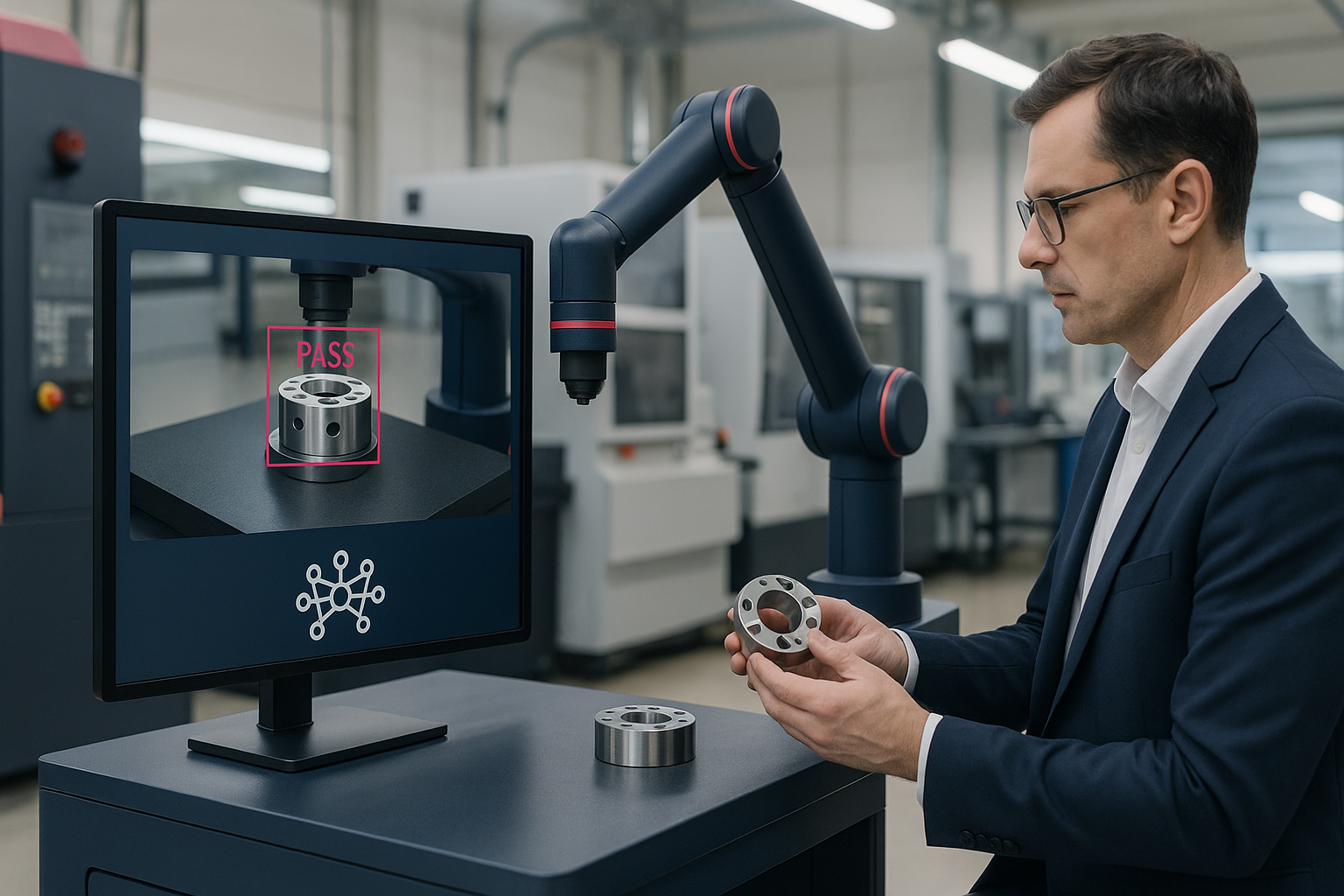
In the relentless quest for operational excellence, manufacturers are increasingly turning to artificial intelligence (AI) to tackle one of their most persistent challenges: quality control. However, as the adoption of AI-driven quality control systems accelerates, it’s crucial for operations leaders to consider whether these systems represent a genuine leap forward or an overhyped risk that could disrupt existing processes.
Recent advancements in AI have enabled sophisticated quality control systems that can analyze products in real-time, identify defects, and even predict potential failures before they occur. But while the promise of enhanced efficiency and reduced waste is alluring, the reality is that implementing these systems can introduce unforeseen complexities. Here’s why operations leaders need to approach AI adoption with caution.
Understanding the Operational Challenges
Quality control has always been a cornerstone of manufacturing. However, traditional methods—often reliant on human inspectors—are not only labor-intensive but also prone to error. AI offers a solution, but it is not without its pitfalls:
- Data Dependency: AI systems require massive amounts of high-quality data to function effectively. Gathering, cleaning, and maintaining this data can be a daunting task.
- Integration Issues: Many manufacturers utilize legacy systems that may not easily integrate with new AI solutions, potentially leading to disruptions in operations.
- Skill Gaps: The successful deployment of AI in quality control necessitates a workforce skilled in both AI technologies and the intricacies of manufacturing processes. Upskilling employees can be time-consuming and costly.
- False Positives: AI systems may produce false positives, flagging good products as defects. This can lead to unnecessary rework and waste, ultimately undermining the benefits of AI adoption.
The Case for Caution
While the potential benefits of AI in quality control are significant, operations leaders must weigh these against the risks. The integration of AI should not be viewed as a silver bullet but rather a complementary tool to existing quality control processes. Here’s how to ensure that AI enhances rather than disrupts operations:
- Start Small: Begin with pilot projects to evaluate how AI can fit into your existing quality control process without overhauling everything at once.
- Invest in Data Quality: Ensure your data is accurate and comprehensive to maximize the effectiveness of AI systems. This may involve investing in data management solutions.
- Prioritize Training: Equip your team with the necessary skills to work alongside AI, ensuring they understand both the technology and its implications for quality control.
- Continuously Monitor: Implement feedback loops to assess the performance of AI systems and make adjustments as necessary to reduce false positives and improve accuracy.
Conclusion
AI has the potential to transform quality control in manufacturing, driving efficiency and reducing costs. However, operations leaders must navigate the complexities of this technology with caution. By taking a strategic approach to AI adoption, manufacturers can enhance their quality control processes while mitigating the risks associated with new technologies. The road ahead may be fraught with challenges, but the rewards of getting it right are substantial.
At Q52, we specialize in helping manufacturing leaders adopt AI strategically, ensuring that your quality control processes are not just automated but optimized. Connect with us on LinkedIn to learn more about how we can assist your organization in harnessing the full potential of AI.