
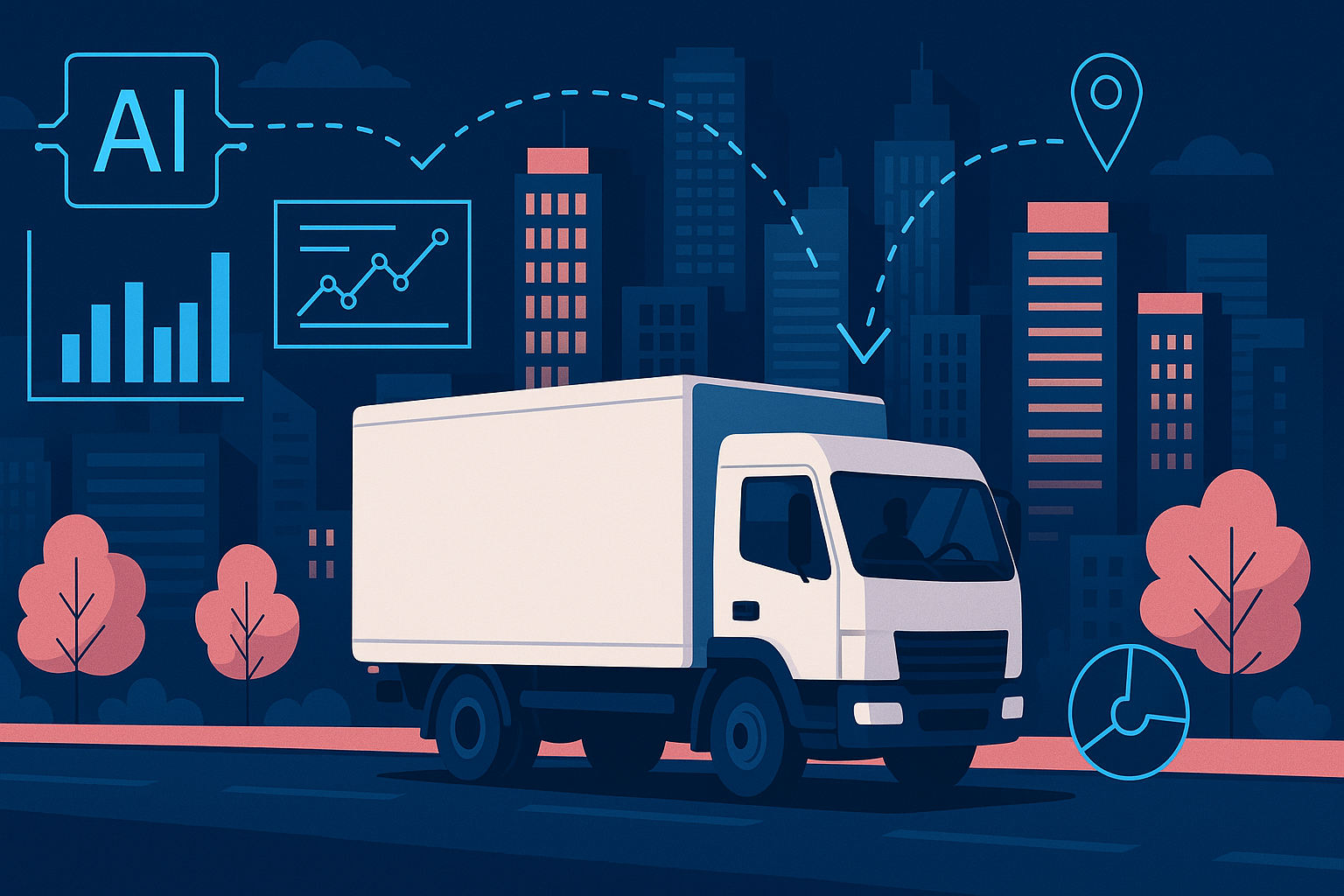
Navigating AI Adoption in Logistics: Tackling Last-Mile Delivery Challenges
Last-mile delivery has become the Achilles’ heel of the logistics industry, and it’s time for operations leaders to face this challenge head-on with AI. The surge in e-commerce has amplified the pressure on logistics networks, making speedy and cost-effective delivery not just an expectation but a necessity. As we stand in mid-2026, the last-mile segment is ripe for transformation, and AI is the catalyst that can propel logistics companies into a new era of efficiency and customer satisfaction.
The Cost of Last-Mile Delivery
Last-mile delivery accounts for a staggering 53% of total shipping costs. As operational leaders, you know that these expenses can drain your bottom line and erode profit margins. The operational hurdles are multifaceted, involving inefficient routing, rising fuel costs, labor shortages, and customer expectations for faster deliveries.
Embracing AI: The Game Changer
AI technologies offer unique solutions to these challenges. By leveraging AI, logistics companies can:
- Optimize Routing: AI algorithms analyze real-time data to determine the most efficient delivery routes, significantly reducing travel time and costs.
- Predict Demand: Advanced analytics can forecast demand surges, enabling better resource allocation and workforce management.
- Enhance Customer Experience: AI-driven chatbots and virtual assistants provide real-time updates and handle inquiries, improving customer satisfaction.
- Manage Inventory: AI can help optimize inventory levels, reducing excess stock and ensuring timely deliveries.
What Breaks and What Improves?
While the benefits of AI adoption are clear, companies must also consider what could break during this transition:
- Resistance to Change: Employees accustomed to traditional methods may resist AI integration, necessitating robust change management practices.
- Data Quality Issues: AI systems rely on high-quality data; poor data can lead to inaccurate predictions and suboptimal decisions.
- Integration Challenges: Merging AI systems with existing IT infrastructure can be complex and require significant investment.
However, companies that successfully navigate these challenges can expect significant improvements:
- Cost Reduction: Lower operational costs through optimized routing and demand forecasting.
- Increased Efficiency: Streamlined operations that lead to faster delivery times.
- Enhanced Customer Loyalty: A superior customer experience fosters brand loyalty and repeat business.
Final Thoughts
As the logistics industry continues to evolve in the age of e-commerce, the integration of AI in last-mile delivery is not just an option; it is a strategic imperative. Operational leaders must embrace this technology to remain competitive and meet the ever-increasing demands of consumers. At Q52, we specialize in crafting tailored AI strategies that empower logistics companies to navigate these challenges effectively. Let us help you turn operational hurdles into growth opportunities.
For more insights and expert opinions, follow us on LinkedIn: Q52 on LinkedIn.