
Navigating the AI Revolution: Overcoming Last-Mile Delivery Challenges in Logistics
In the logistics industry, the last mile can often feel like the longest mile. As e-commerce continues to flourish, the pressure on supply chains to deliver goods swiftly and efficiently has never been greater.
In 2026, businesses face a pivotal decision: embrace AI to tackle the complexities of last-mile delivery or risk being outpaced by competitors who do. AI adoption isn’t just a technological upgrade; it’s a strategic imperative that can redefine operational efficiencies and customer satisfaction.
The Operational Challenge: Tackling Last-Mile Inefficiencies
Last-mile delivery accounts for up to 53% of total shipping costs, a figure that can cripple profit margins if not managed effectively. The operational complexities involved—ranging from unpredictable traffic patterns to varying customer availability—make this segment of the supply chain notoriously challenging.
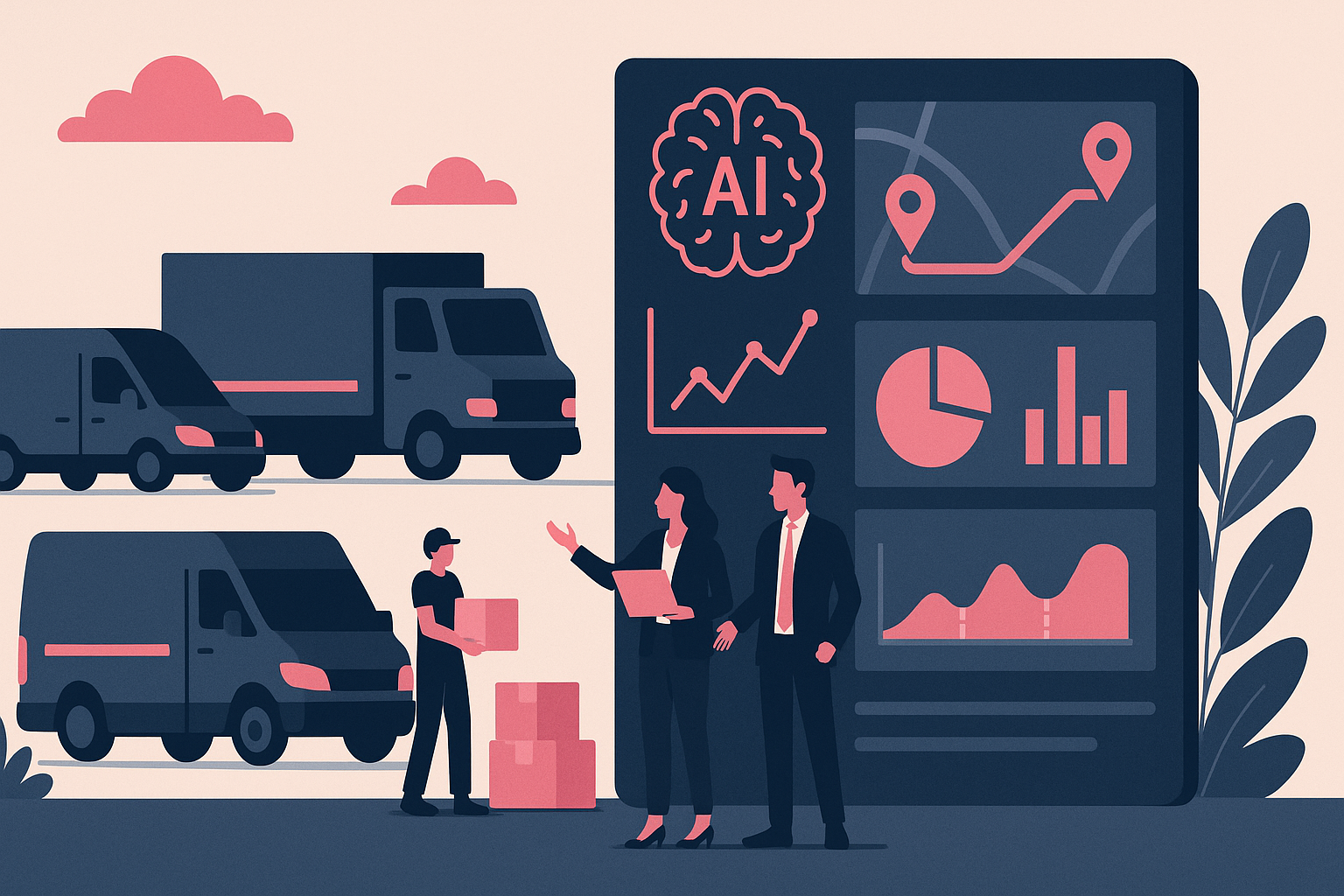
Here’s where AI steps in. By leveraging machine learning algorithms and data analytics, logistics companies can enhance route optimization, forecast demand more accurately, and improve delivery windows.
The AI Advantage: What Changes?
- Dynamic Routing: AI can analyze real-time traffic data, weather conditions, and historical delivery performance to suggest optimal routes, minimizing delays and fuel consumption.
- Predictive Analytics: By utilizing AI to forecast demand trends, companies can better allocate resources, ensuring that vehicles and drivers are available when and where they’re needed most.
- Enhanced Customer Experience: AI-driven chatbots and notifications keep customers informed about delivery statuses, increasing satisfaction and reducing the likelihood of missed deliveries.
- Cost Reduction: Streamlined operations lead to a reduction in labor costs and fuel expenses, translating to improved bottom lines.
What Breaks?
However, the transition to AI is not without its hurdles. Companies must be prepared to address the following:
- Data Management: Implementing AI solutions requires a robust data infrastructure. Poor data quality can lead to inaccurate predictions and suboptimal routing.
- Change Management: Employees may resist adopting new technologies, necessitating a culture shift and training programs to facilitate smooth integration.
- Cost of Implementation: Initial investments in AI technology can be substantial, making it imperative for logistics operators to strategize ROI carefully.
What Improves?
Despite these challenges, the benefits of AI adoption in last-mile delivery far outweigh the potential drawbacks:
- Increased delivery speed and accuracy enhance customer loyalty.
- Greater operational efficiency leads to lower costs and improved profitability.
- Data-driven decision-making fosters a proactive approach to logistics management.
Conclusion: The Time for Action is Now
As we move deeper into 2026, logistics leaders must recognize that the AI revolution is not a distant future scenario but a present-day reality. Embracing AI solutions can significantly reshape last-mile delivery operations, ultimately leading to enhanced customer satisfaction and a more resilient supply chain.
The question is no longer whether to adopt AI, but how quickly you can integrate it into your operations to stay ahead of the competition. At Q52, we specialize in helping logistics companies navigate this transformation, ensuring that your AI adoption strategy is both effective and sustainable.
Connect with us on LinkedIn to learn more about our consulting services and how we can help you implement AI solutions tailored to your logistics needs.