Your daily briefing on AI adoption, tools, and operational reality — curated by q52.ai.
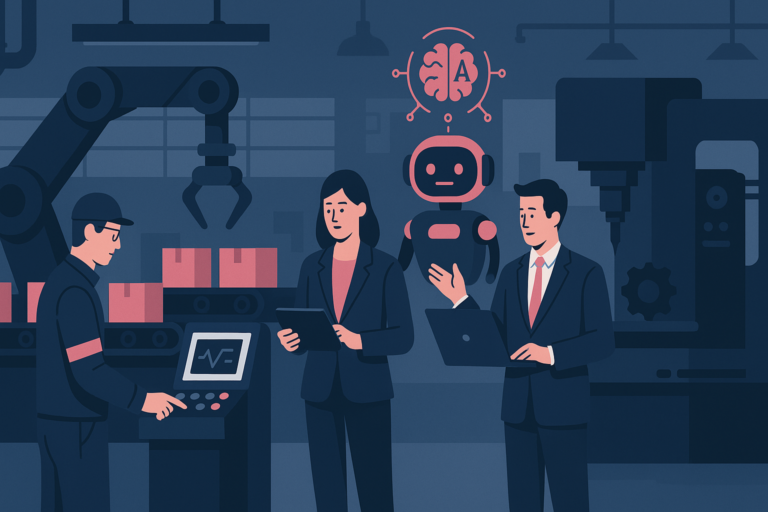
Is Your Manufacturing Strategy Ready for AI-Driven Predictive Maintenance?
What Is Happening: As manufacturing evolves, companies are urged to embrace AI for predictive maintenance to avoid costly unplanned downtimes. With potential losses reaching $250,000 per hour, AI can help forecast equipment failures before they occur, optimizing maintenance schedules.
Why It Matters: Implementing predictive maintenance can significantly reduce downtime, enhance safety, and improve cost efficiency by utilizing data-driven insights. As manufacturers face ongoing supply chain challenges, adopting AI not only mitigates risks but also positions them competitively in the market.
Q52’s Takeaway: Evaluate your current maintenance strategies and consider integrating AI solutions for predictive analytics to enhance operational efficiency. Ask your team how they can leverage data to preemptively address equipment issues.
Read the full article on q52.ai
Unlocking Customization: Mistral AI’s Open-Weight Models
What Is Happening: Mistral AI is redefining enterprise performance with its open-weight models, allowing businesses to customize AI applications without traditional licensing constraints. This flexibility enables organizations to easily adapt AI solutions to their specific operational needs.
Why It Matters: By utilizing open-weight models, companies can significantly reduce costs associated with proprietary software while enhancing customization and scalability of AI tools. This adaptability is crucial for optimizing workflows and maintaining competitive advantage in a rapidly changing market.
Q52’s Takeaway: Assess your current AI tools and consider transitioning to open-weight models to enhance flexibility and reduce costs. Discuss with your team how these models can be tailored to improve specific processes within your operations.
Read the full spotlight on q52.ai
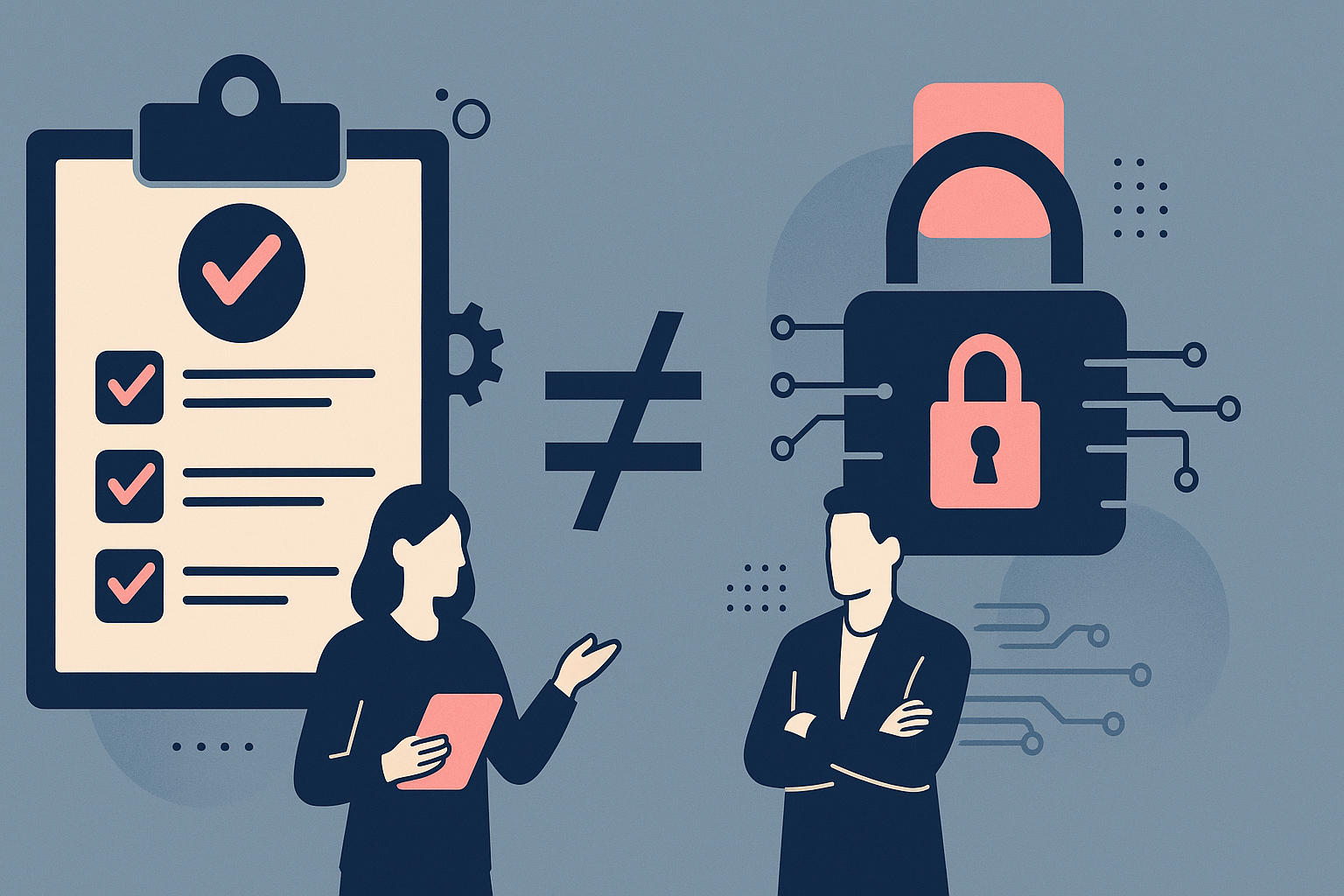
Compliance vs. Control: The Governance Dilemma
What Is Happening: Many organizations are focusing on compliance at the expense of real control over their AI systems, leading to vulnerabilities. The rise of shadow AI means that unregulated models are proliferating, often without proper oversight.
Why It Matters: Relying on compliance as a substitute for accountability can expose your organization to significant risks, including data breaches and operational failures. A robust governance model is essential to ensure effective oversight and minimize vulnerabilities.
Q52’s Takeaway: Reevaluate your governance framework to ensure it prioritizes real oversight over mere compliance. Engage your team in identifying areas where unregulated AI use may pose risks and implement stricter controls.
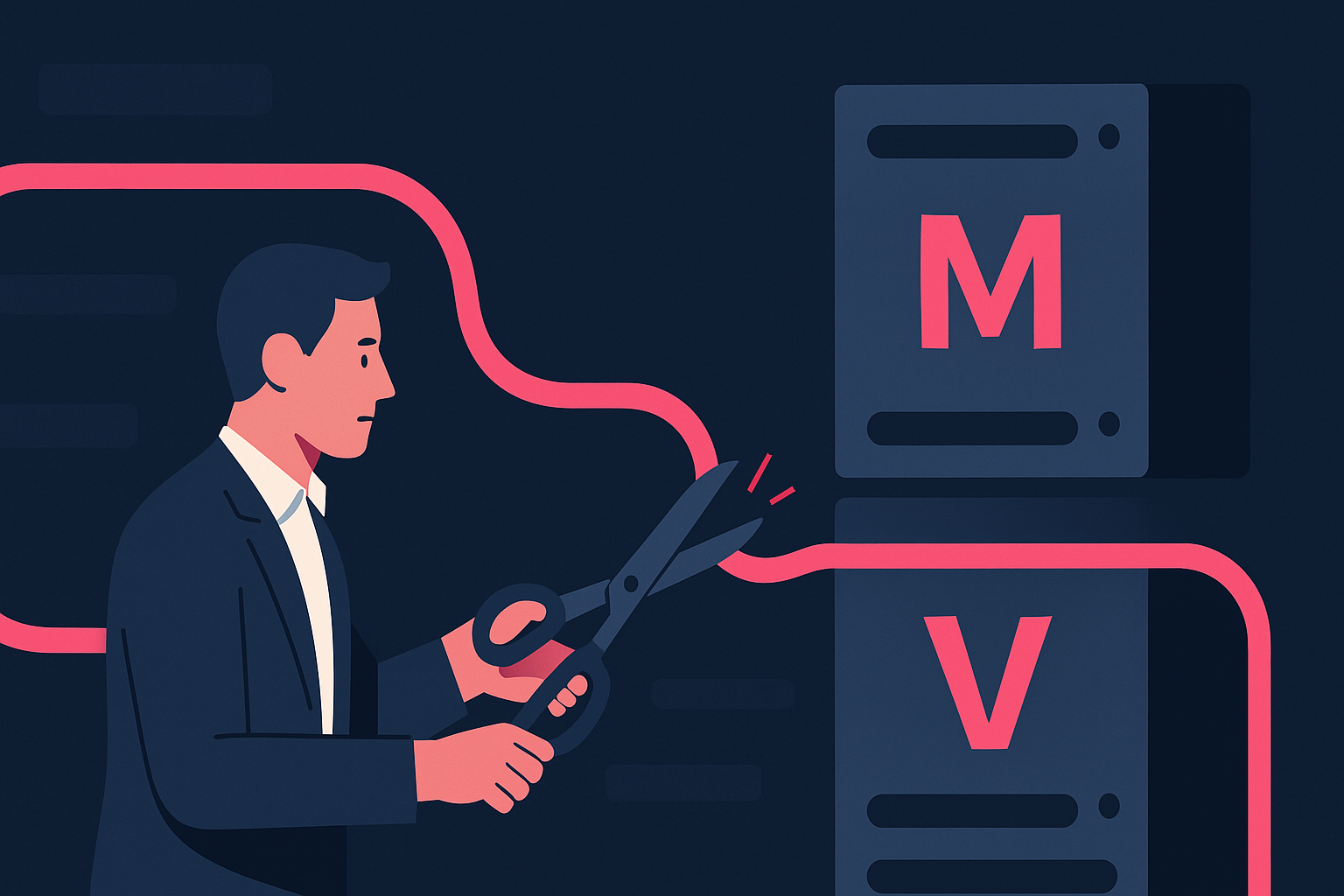
AI Access Cut Off: Anthropic’s Models Under Government Scrutiny
What Is Happening: Anthropic has suspended access to its AI models, Fable 5 and Mythos 5, due to a government order citing national security concerns. This abrupt halt affects organizations that heavily rely on these models for various operational tasks.
Why It Matters: For businesses using these models, the sudden loss of access could disrupt workflows and increase operational costs as they scramble for alternatives. This situation underscores the need for compliance and adaptability in AI usage amidst evolving regulations.
Q52’s Takeaway: Assess your reliance on Anthropic’s models and develop contingency plans for alternative AI solutions. Discuss with your team how to enhance compliance measures to mitigate risks related to regulatory changes in AI.
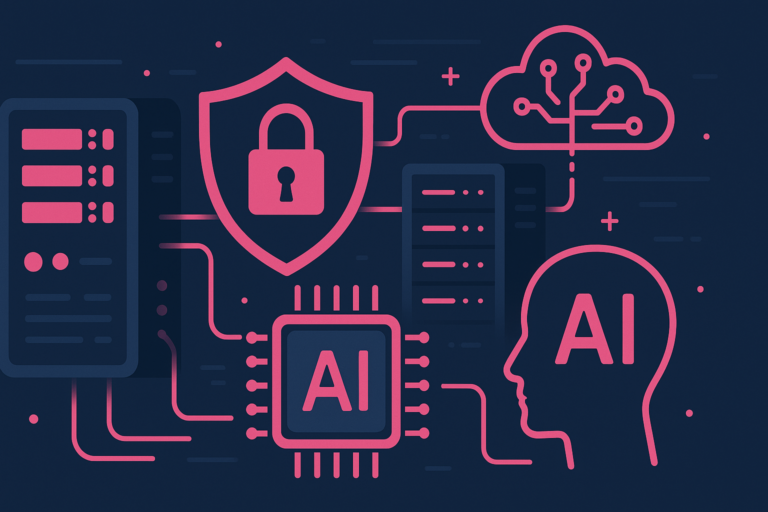
Reassessing AI Dependencies: Anthropic’s Suspension Impact
What Is Happening: The U.S. government’s order to suspend access to Anthropic’s AI models has raised alarms for organizations relying on these tools for critical tasks, particularly in cybersecurity. The decision was prompted by concerns over potential exploitation of vulnerabilities within the models.
Why It Matters: Companies that depend on these advanced AI capabilities must quickly evaluate their operational strategies and consider alternative solutions. This disruption could lead to increased security risks and operational inefficiencies if not addressed promptly.
Q52’s Takeaway: Conduct a thorough assessment of your dependency on Anthropic’s models and identify critical functions that may be impacted. Explore alternative AI solutions for cybersecurity and enhance your security posture to mitigate risks.
Daily Prompt
How do you think AI will reshape industries we can’t even imagine yet?
Try it in ChatGPT, Claude, or your favorite AI assistant. Want more? Browse the q52 Prompt Library for ready-to-use prompts built for real business outcomes.
That’s the digest for June 15, 2026.
Want this in your inbox? Subscribe to the q52 Newsletter to get the daily digest delivered automatically.
Questions? Reach out at info@q52.ai or connect on LinkedIn.