Your daily briefing on AI adoption, tools, and operational reality — curated by q52.ai.

Breaking Down Barriers: AI’s Role in Healthcare Data Integration
What Is Happening: In 2026, healthcare organizations are grappling with data silos that hinder the effective use of AI for patient care. These silos prevent comprehensive access to patient data, delaying diagnoses and inflating costs due to repeated tests.
Why It Matters: Addressing these data silos is crucial for enhancing operational efficiency and patient outcomes. AI-driven integration can streamline workflows, reduce costs, and improve patient satisfaction by providing clinicians with a unified view of health information.
Q52’s Takeaway: Assess your current data management systems and identify integration gaps. Consider strategies to leverage AI for a more cohesive data approach that enhances patient care and operational efficiency.
Read the full article on q52.ai

Transforming Security Operations: The Wazuh Advantage
What Is Happening: Wazuh is emerging as a leading open-source platform for Security Information and Event Management (SIEM) and Extended Detection and Response (XDR), providing organizations with an agile and comprehensive security solution. It offers real-time threat detection and compliance mapping.
Why It Matters: For operations leaders, Wazuh’s capabilities can enhance security posture without the burden of licensing fees. Its flexible deployment options and customizable dashboards allow organizations to tailor security measures to their specific needs, improving incident response and compliance.
Q52’s Takeaway: Evaluate your current security solutions and consider adopting an open-source platform like Wazuh to streamline operations and enhance security without incurring high costs. Engage your team in exploring deployment options that fit your organizational structure.
Read the full spotlight on q52.ai
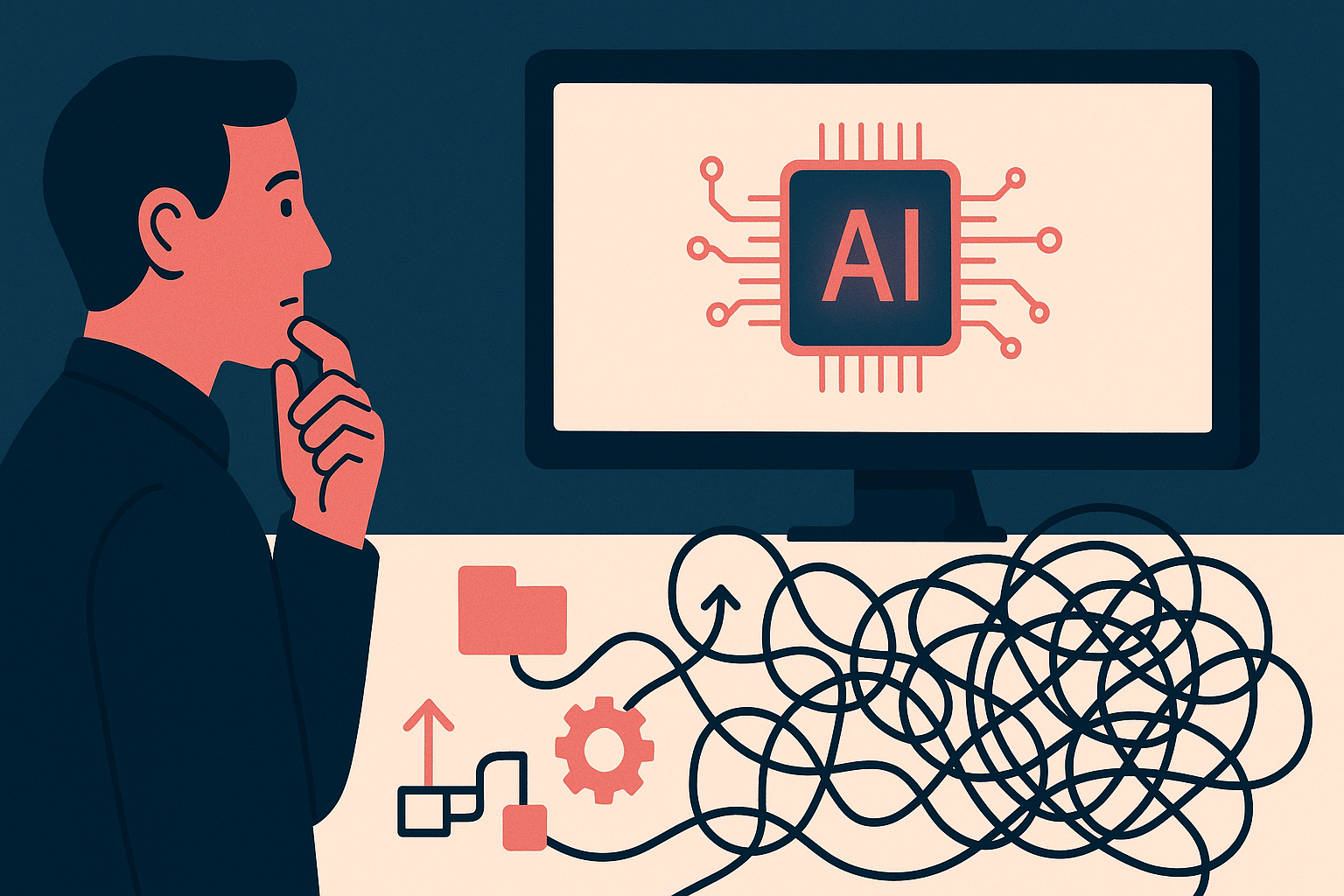
Shiny AI Demos Aren’t Enough: Fix Your Workflows
What Is Happening: Organizations are often mesmerized by impressive AI demos while neglecting the operational chaos in their backend processes. As a result, many AI implementations fail to deliver on their promises due to broken workflows and integration issues.
Why It Matters: This disconnect can lead to increased complexity rather than efficiency, undermining automation goals. Businesses risk stagnation if they focus solely on flashy technology without addressing the foundational workflows that enable effective integration.
Q52’s Takeaway: Conduct a thorough review of your workflows to identify bottlenecks that may hinder AI integration. Encourage your team to prioritize operational stability over merely adopting the latest technology trends.
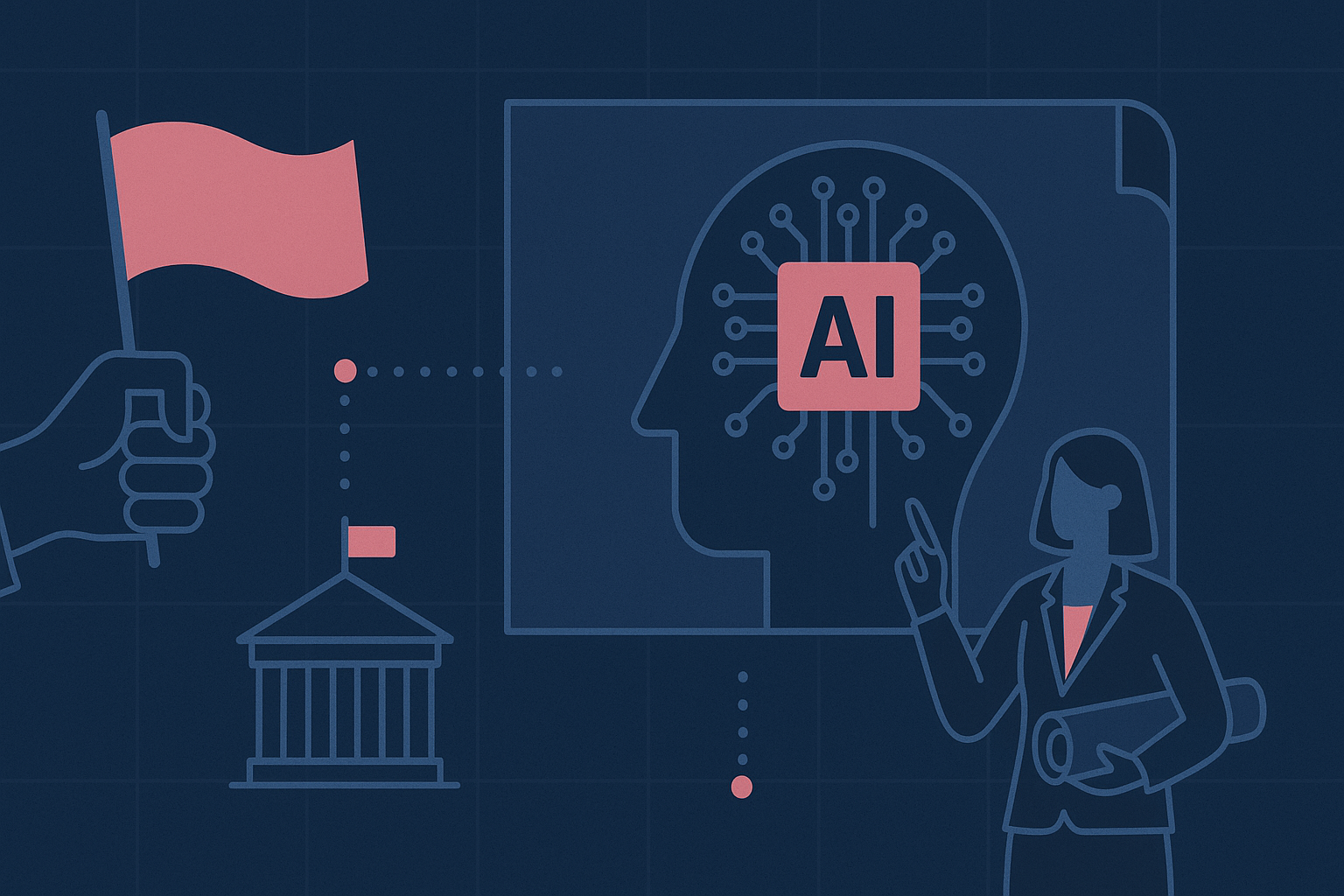
AI’s Blueprint for a Stronger Democracy: What It Means for Businesses
What Is Happening: A new framework from MIT Technology Review outlines how AI can enhance democratic processes by improving voter engagement and transparency. This initiative aims to tackle misinformation and rebuild public trust in institutions.
Why It Matters: For small to mid-sized businesses, improved democratic processes could lead to a more stable regulatory environment, influencing consumer behavior positively. Companies may need to adapt to new compliance standards resulting from these transparency initiatives.
Q52’s Takeaway: Stay informed about shifts in public policy that may arise from AI initiatives. Discuss with your team how your operations might need to adapt to align with potential new standards of accountability and transparency.
Daily Prompt
How do you think AI could reshape our understanding of privacy in healthcare?
Try it in ChatGPT, Claude, or your favorite AI assistant. Want more? Browse the q52 Prompt Library for ready-to-use prompts built for real business outcomes.
That’s the digest for May 06, 2026.
Want this in your inbox? Subscribe to the q52 Newsletter to get the daily digest delivered automatically.
Questions? Reach out at info@q52.ai or connect on LinkedIn.