Your daily briefing on AI adoption, tools, and operational reality — curated by q52.ai.
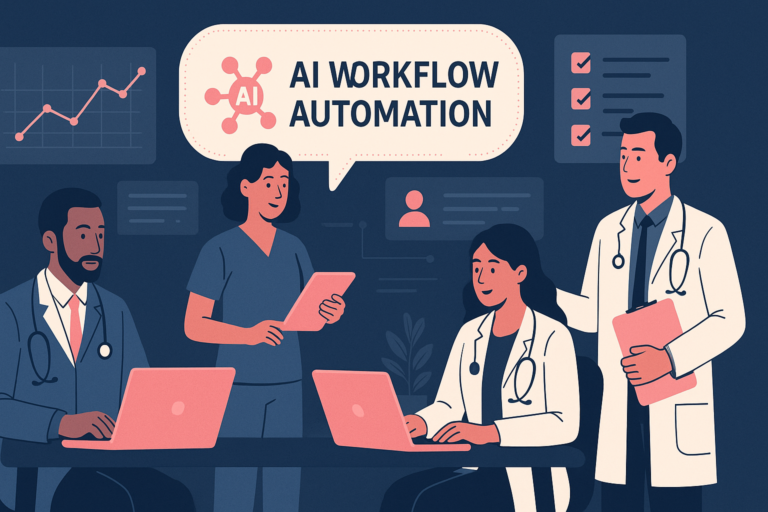
Why AI Workflow Automation is a Must for Healthcare Leaders
What Is Happening: Healthcare operations leaders are facing outdated patient management models that hinder efficiency and increase burnout among staff. The integration of AI-driven workflow automation is essential for streamlining administrative tasks and focusing on patient care.
Why It Matters: By automating tasks like scheduling and billing, organizations can reduce costs, enhance patient satisfaction, and improve decision-making through data insights. This shift not only improves operational efficiency but also positions healthcare providers to better meet patient needs in a competitive landscape.
Q52’s Takeaway: Assess your current administrative workflows and identify areas where AI can automate repetitive tasks to free up staff for patient interaction. Engage your team in discussions about potential AI implementations to enhance care delivery.
Read the full article on q52.ai

OpenClaw: Transforming AI Agent Deployment for Efficiency
What Is Happening: OpenClaw is an open-source framework designed to streamline the deployment of AI agents with defined workflows and review processes. This tool provides operations leaders with a structured approach to integrate AI solutions into their business processes effectively.
Why It Matters: With role-based customization and built-in review gates, OpenClaw enhances accountability and reduces errors, crucial for maintaining operational standards. Its seamless integration capabilities mean less disruption during deployment, enabling organizations to leverage AI while maintaining compliance.
Q52’s Takeaway: Explore how OpenClaw can enhance your AI deployment strategies by creating structured workflows that align with your business objectives. Consider training sessions to familiarize your team with this framework for better implementation.
Read the full spotlight on q52.ai

Shadow AI: The Hidden Risks in Your Organization
What Is Happening: Despite efforts to enforce governance policies, shadow AI is proliferating unchecked in many organizations. This unchecked access poses significant risks to data security, as employees may use AI tools without proper oversight or accountability.
Why It Matters: The lack of governance means that sensitive data could be compromised through unauthorized AI usage, leading to potential financial and reputational damage. Organizations must recognize that compliance is not just a formality but a necessity for operational integrity.
Q52’s Takeaway: Reevaluate your AI governance policies and ensure they are actively followed by all team members. Consider implementing regular training sessions on the risks associated with shadow AI to foster a culture of accountability.

The Pope’s Guide to Ethical AI Adoption
What Is Happening: The Pope’s Magnifica Humanitas initiative promotes a responsible and ethical approach to artificial intelligence. It emphasizes the importance of human dignity and ethical considerations in AI deployment, offering a framework for individuals and organizations.
Why It Matters: For small and mid-sized businesses, this initiative serves as a prompt to align AI strategies with ethical standards, ensuring that technology enhances rather than replaces human connection. This approach can improve customer relations and employee engagement, which are crucial for long-term success.
Q52’s Takeaway: Evaluate how your current AI applications align with ethical guidelines centered on human dignity. Form a cross-functional team to regularly assess the impact of AI on your operations and ensure it supports your organizational values.
Read the original article here.
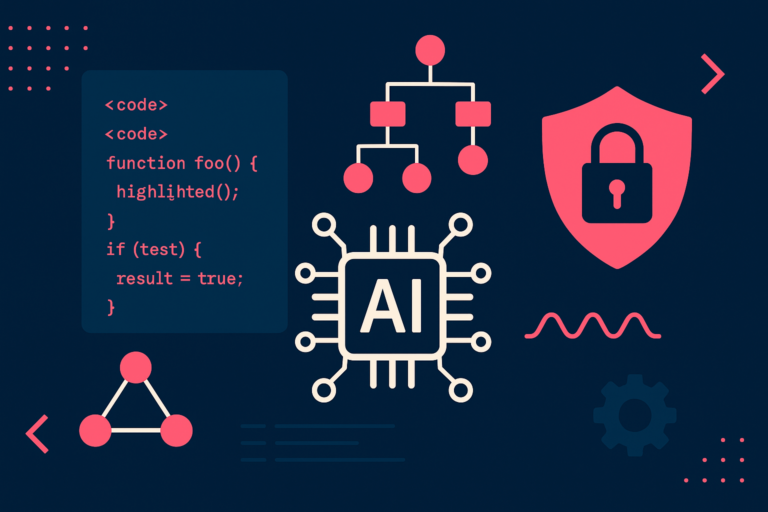
ChatGPT Vulnerability: A New Phishing Risk Uncovered
What Is Happening: A vulnerability in OpenAI’s ChatGPT, known as ChatGPhish, exposes users to phishing attacks through malicious links in AI-generated summaries. This flaw allows attackers to inject harmful payloads that can lead to data breaches.
Why It Matters: Organizations that rely on ChatGPT for summarization tasks must be aware of the potential for credential theft and unauthorized access to sensitive data. Traditional security measures may not effectively mitigate these new risks, necessitating a reevaluation of usage policies.
Q52’s Takeaway: Review your organization’s policies on AI tools like ChatGPT and enhance training on phishing risks associated with AI-generated content. Implement robust content filtering solutions to safeguard against malicious web pages.
Daily Prompt
If you could automate one aspect of your daily life, what would it be?
Try it in ChatGPT, Claude, or your favorite AI assistant. Want more? Browse the q52 Prompt Library for ready-to-use prompts built for real business outcomes.
That’s the digest for May 30, 2026.
Want this in your inbox? Subscribe to the q52 Newsletter to get the daily digest delivered automatically.
Questions? Reach out at info@q52.ai or connect on LinkedIn.