
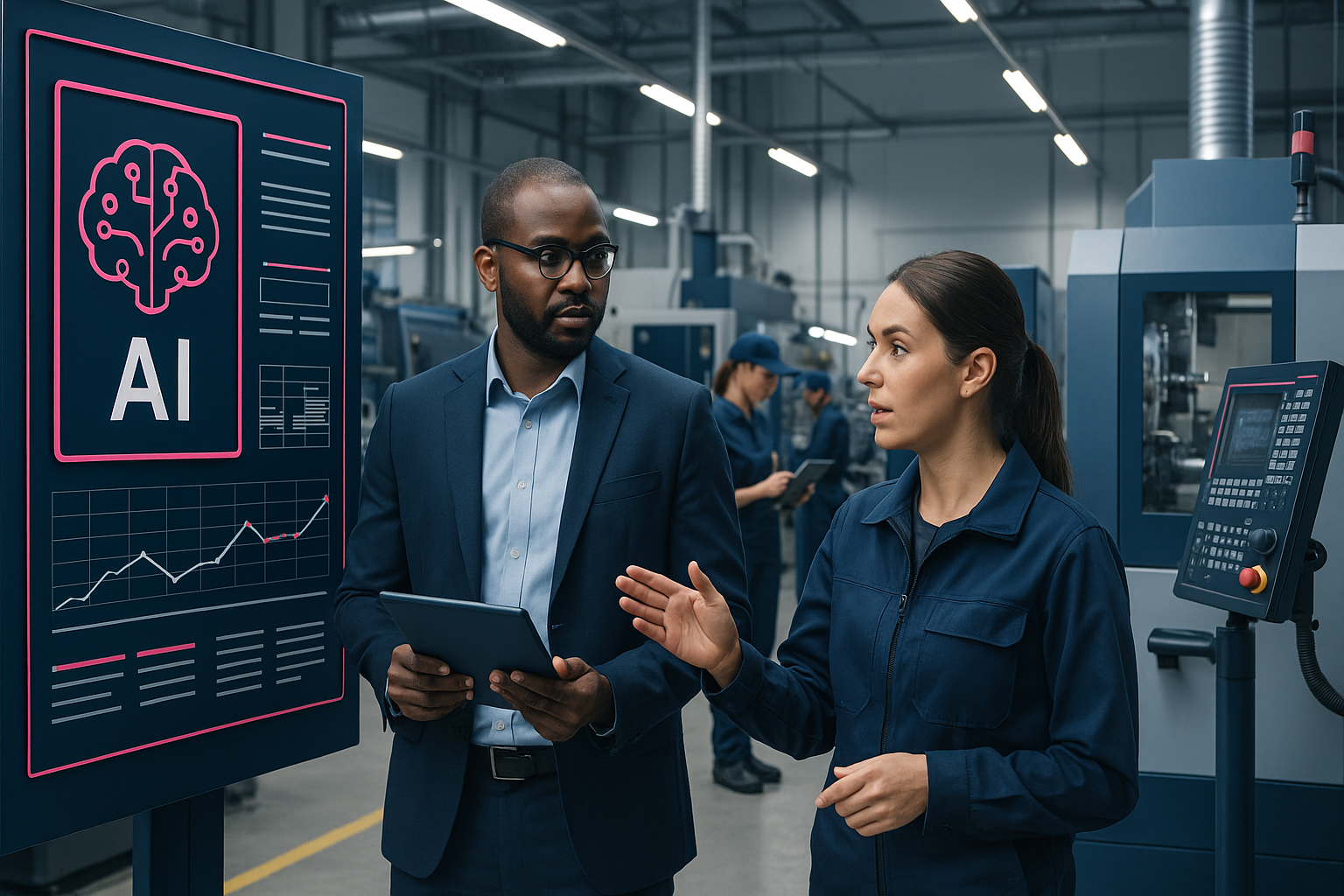
The AI-Driven Shift: Tackling Supply Chain Disruptions in Manufacturing
As we find ourselves well into 2026, the manufacturing industry stands at a critical crossroads. The pandemic-induced supply chain disruptions of the early 2020s were a wake-up call, and now, AI adoption is not just an option but a necessity for operational resilience.
Manufacturers who have embraced artificial intelligence are not merely surviving; they are thriving. They are leveraging AI to gain unprecedented visibility and control over their supply chains, which has become a complex labyrinth in today’s globalized economy. But here’s the hard truth: those still hesitant about AI integration are likely to be left in the dust.
The Operational Challenge: Supply Chain Visibility
In manufacturing, the operational challenge of supply chain visibility has become painfully apparent. A lack of real-time data often leads to inefficiencies, increased costs, and missed opportunities. Traditional forecasting methods have become obsolete, hampered by the unpredictability of global events.
AI technologies like machine learning and predictive analytics are transforming how manufacturers approach this challenge:
- Enhanced Predictive Analysis: AI algorithms analyze vast amounts of data from multiple sources—supplier reliability, market trends, logistics performance—to predict potential disruptions before they occur.
- Real-Time Monitoring: IoT devices combined with AI can provide real-time updates on inventory levels, shipment statuses, and production schedules, allowing for proactive decision-making.
- Adaptive Supply Chain Strategies: AI enables manufacturers to develop adaptive strategies, allowing businesses to pivot quickly in response to disruptions, whether due to natural disasters, geopolitical tensions, or economic volatility.
Operational Implications: What Changes?
Adopting AI for supply chain management brings about significant changes in the operational landscape:
- Increased Agility: Operations leaders can respond faster to changes and delays, enhancing overall supply chain agility.
- Cost Reduction: Improved forecasting and inventory management lead to reduced waste and operating costs.
- Better Supplier Relationships: With real-time data, manufacturers can communicate more effectively with suppliers, fostering collaborative relationships that can withstand shocks.
What Breaks?
However, the integration of AI into manufacturing processes is not without its challenges. Here are key areas that may experience friction:
- Data Silos: Many organizations continue to operate in silos where data is not shared effectively across departments. This can hinder the full potential of AI.
- Change Management: The cultural shift required for AI adoption may meet resistance from employees who fear job displacement or are skeptical of new technologies.
- Investment in Infrastructure: Implementing AI solutions requires substantial investments in technology and training, which can be daunting for smaller manufacturers.
The Clear Path Forward
To successfully implement AI in manufacturing, operations leaders must take a strategic approach:
- Invest Wisely: Prioritize investments in AI technologies that offer the highest potential return on investment, focusing on areas with immediate operational impact.
- Foster a Culture of Innovation: Encourage a mindset shift within your organization that embraces AI as a tool for growth rather than a threat.
- Collaborate: Work closely with technology partners who can provide the expertise needed to navigate the complexities of AI implementation.
In conclusion, AI is not just a buzzword; it is a critical enabler of operational excellence in manufacturing. By addressing supply chain visibility through AI, manufacturers can overcome disruptions and position themselves for long-term success. The question is, will you adapt or be left behind?
For organizations looking to navigate this transformative landscape, Q52 offers tailored consulting services to help you implement AI strategies effectively. Learn more about how we can assist you in this journey by visiting Q52 LinkedIn.