The AI Prescription: Addressing Healthcare’s Staffing Crisis with Intelligent Automation
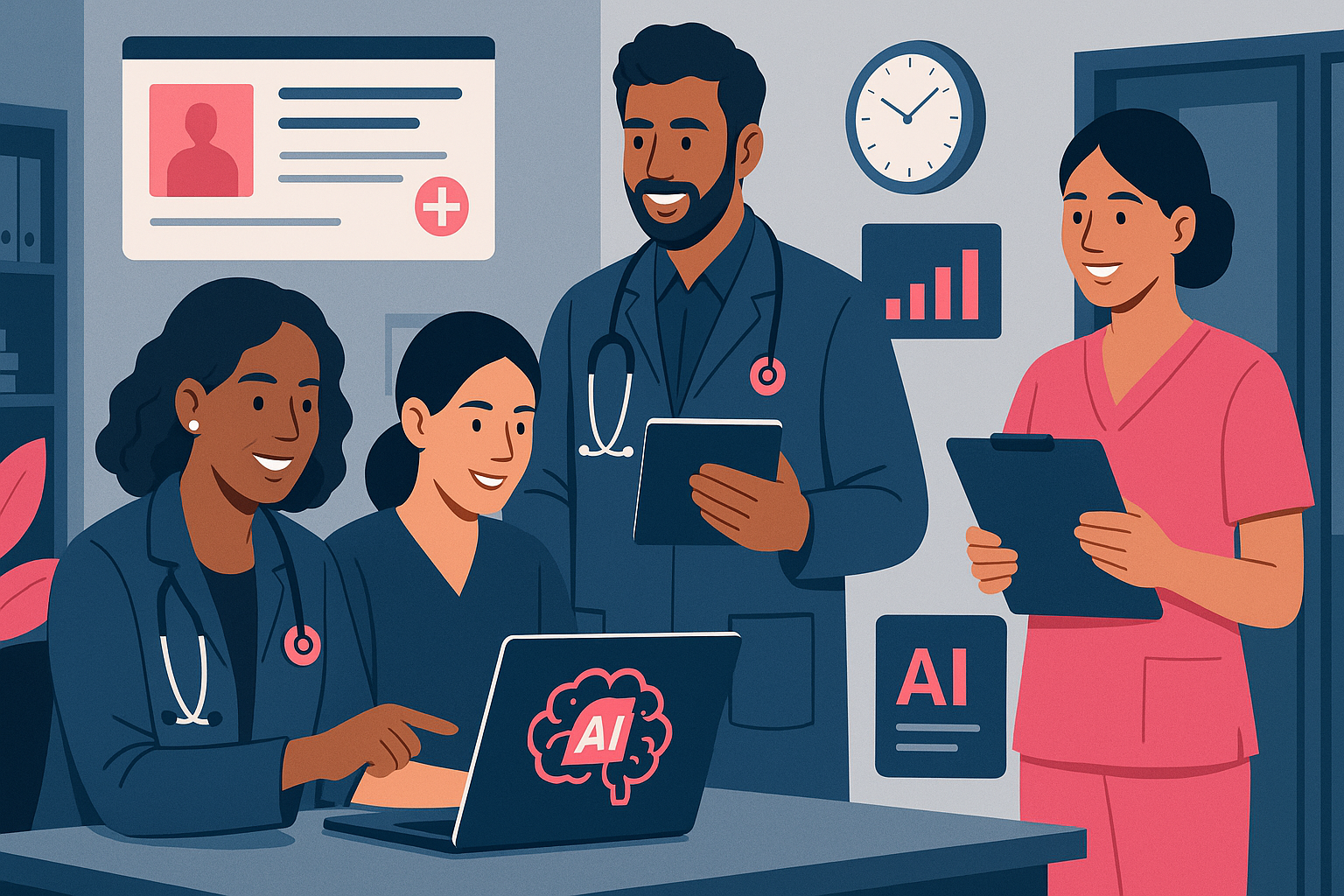
As healthcare operations leaders face an escalating staffing crisis, the urgency to integrate AI solutions into daily operations has never been more pronounced. The pandemic exposed vulnerabilities in our healthcare systems, leading to unprecedented burnout among staff and exacerbating existing shortages. With patient care hanging in the balance, it’s time for healthcare organizations to pivot towards intelligent automation that not only eases the burden on human resources but also enhances patient outcomes.
The Staffing Crisis: A Call to Action
According to the World Health Organization, global healthcare worker shortages could reach 18 million by 2030. This alarming statistic highlights the urgency for healthcare leaders to adopt innovative solutions. Traditional staffing models are failing, and many organizations are struggling to recruit and retain qualified professionals. The solution? AI-driven automation tools that can take over repetitive tasks, allowing human staff to focus on what they do best: providing compassionate care.
The Operational Implications of AI Adoption
Integrating AI into healthcare operations can transform the way organizations approach staffing and patient care. Here are some key operational changes that can be expected:
- Efficiency Boost: AI can automate administrative tasks such as scheduling, patient follow-ups, and billing, freeing up valuable time for healthcare professionals.
- Data-Driven Decision Making: AI systems can analyze vast amounts of patient data in real time, providing insights that enable better staffing decisions and improved patient outcomes.
- Enhanced Patient Engagement: AI chatbots and virtual assistants can handle routine inquiries and triage, allowing healthcare staff to dedicate more time to complex patient needs.
- Predictive Analytics: AI can forecast patient inflow and staffing needs, helping organizations proactively manage resources and mitigate burnout.
What Breaks?
However, the transition to AI is not without its challenges. Organizations must be prepared for:
- Resistance to Change: Staff may be hesitant to adopt new technologies due to fears of job displacement. Transparent communication and training are essential to ease these concerns.
- Data Privacy Concerns: With patient data at the center of AI operations, organizations must prioritize robust data protection measures to maintain trust and comply with regulations.
- Integration Complexities: Implementing AI solutions requires a clear strategy for integration with existing systems to avoid disruptions in patient care.
What Improves?
Despite these challenges, the potential benefits of AI in healthcare are significant:
- Improved Patient Outcomes: By leveraging AI for diagnostics and personalized treatment plans, healthcare organizations can provide higher quality care tailored to individual patient needs.
- Increased Staff Satisfaction: By reducing administrative burdens through automation, healthcare professionals can focus more on patient interaction and care, leading to greater job satisfaction.
- Cost Reduction: Automating repetitive tasks can significantly reduce operational costs, allowing organizations to allocate resources more effectively.
Conclusion: The Path Forward
For healthcare operations leaders, the path forward is clear: embracing AI is not just an option, but a necessity to overcome the staffing crisis and deliver quality care. Organizations that proactively adopt intelligent automation will not only enhance operational efficiency but also secure their position as leaders in a rapidly evolving healthcare landscape.
At Q52, we specialize in helping healthcare organizations navigate the complexities of AI adoption. Our consulting services can guide you through the implementation process, ensuring your operations are equipped to thrive in this new era. Connect with us on LinkedIn to learn more about how we can support your AI strategy.