
Why AI Adoption in the Public Sector Must Address Data Silos Now
The public sector is at a crossroads. As agencies scramble to adopt AI solutions, they often stumble over the same operational challenge: data silos. These isolated data repositories not only hinder collaboration but also prevent AI from delivering its full potential in enhancing public services. In an era where efficiency and transparency are paramount, the need to address these silos has never been more urgent.
The Cost of Data Silos
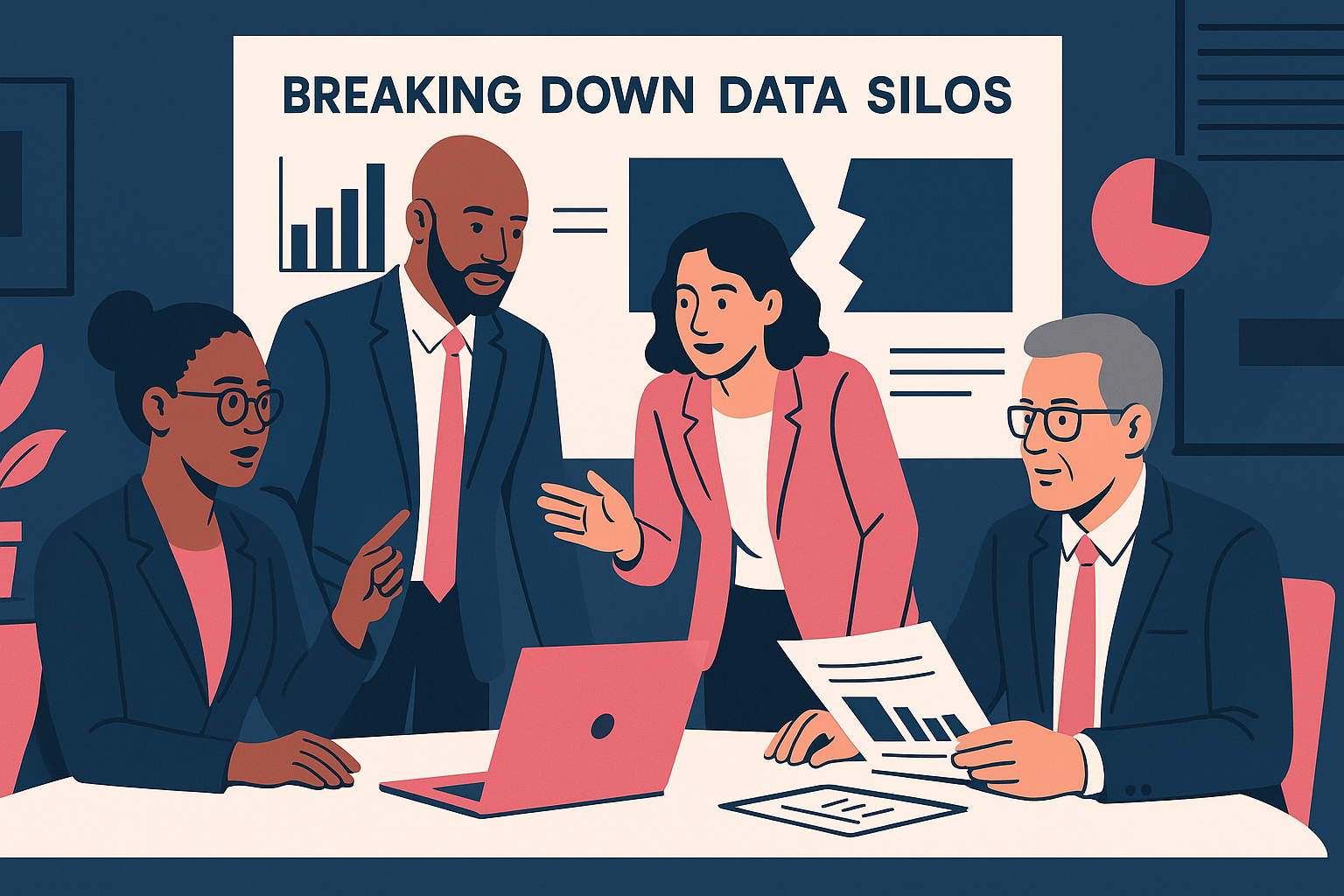
Data silos in public sector organizations lead to fragmented insights, duplicated efforts, and delayed decision-making. Each department hoarding its information contributes to a lack of comprehensive understanding of the issues at hand, ultimately affecting citizens’ lives. This is not just an IT problem; it’s a leadership challenge that requires strategic vision.
- Operational inefficiencies: Departments working in isolation waste resources and time, as they often duplicate work or fail to leverage existing data.
- Inconsistent service delivery: When agencies can’t share data, citizens experience variability in service quality, which erodes trust in government.
- Limited AI efficacy: AI systems trained on siloed data can only provide insights based on incomplete datasets, leading to poor outcomes.
Spotlight on Recent Trends
Recent initiatives such as the White House’s AI in the Federal Government strategy highlight the urgency of integrating AI in public services. However, without addressing the fundamental issue of data silos, these initiatives risk falling flat.
For instance, agencies that have adopted AI to streamline processes like benefits distribution or public safety have often faced backlash when citizens encounter delays and inconsistencies. The root cause? Insufficient data sharing across departments that leads to incomplete or incorrect datasets fueling AI algorithms.
A Call to Action
It’s time for operational leaders in the public sector to take a bold stance on data integration. Here’s how:
- Assess existing data landscapes: Conduct a thorough audit to understand what data resides where and identify barriers to sharing.
- Invest in interoperability: Implement systems that promote data compatibility across departments, allowing for seamless information flow.
- Foster a culture of collaboration: Encourage departments to work together and prioritize shared goals over siloed objectives.
- Leverage AI for data management: Employ AI tools that can help in cleaning, aggregating, and analyzing data from various sources to create a unified perspective.
While the push for AI adoption is indeed laudable, it must be underpinned by a robust strategy to dismantle data silos. The operational implications are clear: breaking down these barriers not only improves efficiency and service quality but also enhances public trust in government. Leaders who act now will be better positioned to harness the transformative power of AI.
At Q52, we specialize in guiding organizations through the complexities of AI adoption, ensuring that you not only implement cutting-edge technology but also foster an operational environment where that technology can truly thrive. Connect with us on LinkedIn to learn more about how we can help your public sector agency overcome data silos and unlock the full potential of AI.