
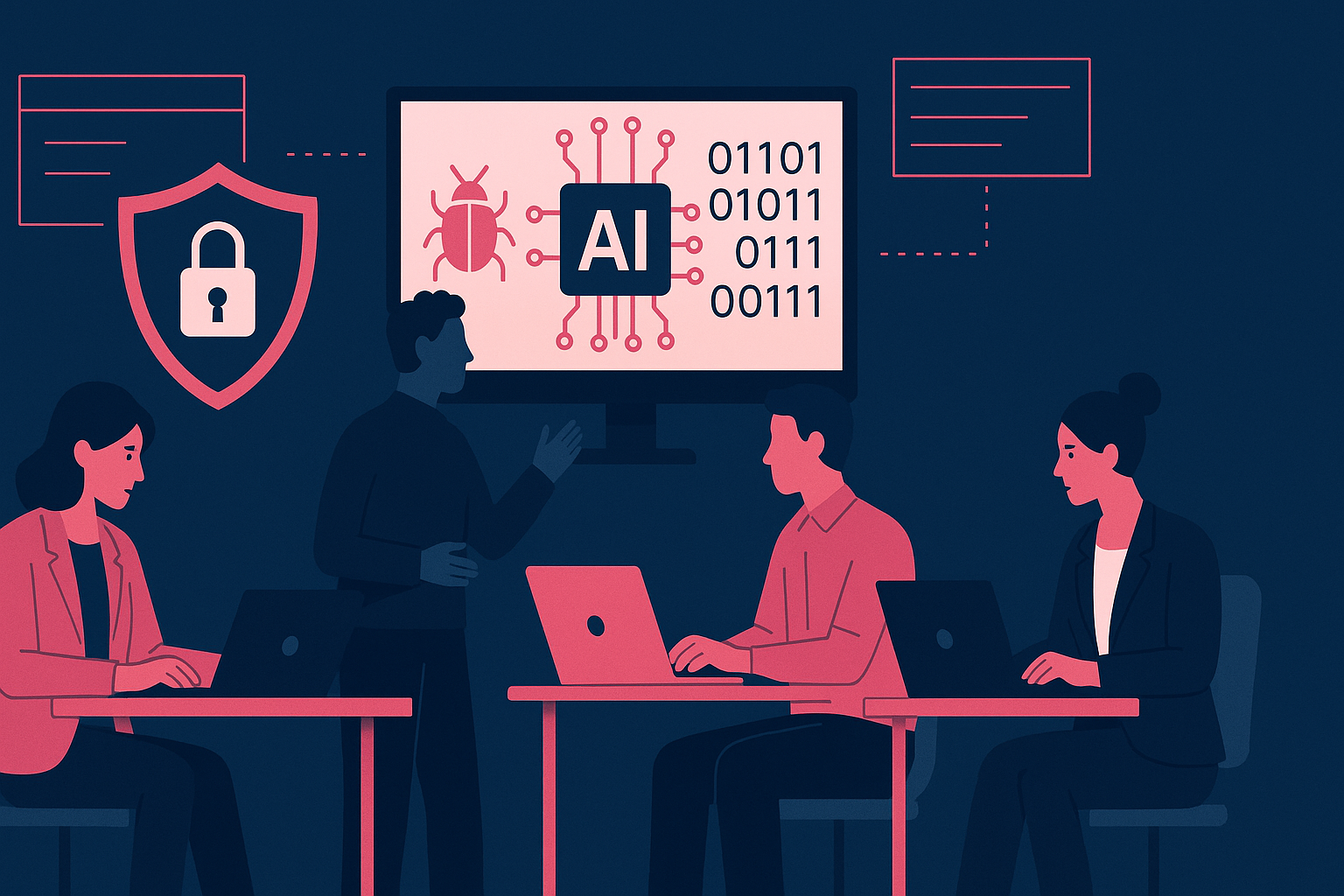
Why AI-Driven Threat Hunting is No Longer Optional for Cybersecurity Operations
In the ever-evolving battlefield of cybersecurity, the stakes have never been higher. As organizations grapple with escalating threats and sophisticated attacks, the adage ‘the best defense is a good offense’ rings truer than ever. Cybersecurity teams are increasingly recognizing that proactive threat hunting isn’t just beneficial; it’s essential. Enter AI-driven solutions, which are not merely enhancements but rather the backbone of modern threat-hunting strategies.
According to a recent report, 72% of organizations have experienced a significant increase in cyber threats over the past year. Yet, only 30% have implemented proactive threat-hunting initiatives. This gap is alarming and indicative of an operational challenge that can no longer be ignored. Relying solely on reactive measures, such as firewalls and antivirus software, is akin to waiting for a storm to hit before securing your roof. In today’s landscape, AI-driven threat hunting is the new roof.
The Case for AI in Threat Hunting
AI’s capabilities in cybersecurity go beyond mere automation; they provide an unprecedented level of intelligence. Here’s how:
- Enhanced Detection: Traditional security tools are often limited by their reliance on known signatures and patterns. AI can analyze vast amounts of data in real time, identifying anomalous behaviors that could signify a breach.
- Speed and Efficiency: Human analysts often struggle to keep up with the sheer volume of alerts generated by security systems. AI can triage these alerts, reducing noise and allowing human teams to focus on high-priority incidents.
- Contextual Awareness: AI systems can correlate data across multiple sources, providing context that helps security teams understand the potential impact of a threat, rather than just its existence.
Implementing AI-driven solutions for proactive threat hunting can transform the operational dynamics of security teams:
- Resource Allocation: By automating routine tasks, teams can redirect their resources toward strategic initiatives.
- Improved Response Times: With faster detection and context-rich alerts, organizations can respond to threats before they escalate.
- Culture Shift: Moving from a reactive to a proactive mindset fosters a culture of vigilance and preparedness within the organization.
Real-World Implications
Organizations that have embraced AI-driven threat hunting are reaping significant rewards. For instance, a financial services firm that integrated AI into its security operations reported a 40% reduction in breach response time and a 50% decrease in false positives. This not only saved costs but also enhanced customer trust—an invaluable asset in today’s digital economy.
However, the transition is not without challenges. Teams must be equipped with the right skills to interpret AI-generated data and act on it effectively. Additionally, there’s a risk of over-reliance on AI, which can lead to complacency. A balanced approach that combines AI capabilities with human expertise is essential.
Conclusion: The Time for Action is Now
For operations leaders in cybersecurity, the message is clear: adopting AI-driven threat-hunting practices is no longer a choice but a necessity. As threats evolve, so must our strategies to combat them. Investing in AI is investing in resilience. Those who fail to adapt will find themselves at a significant disadvantage.
At Q52, we understand the complexities of AI implementation in security operations. Our team of experts can guide you in evaluating the trade-offs and crafting a strategy that aligns with your organizational goals. Learn more about our consulting services by visiting our LinkedIn page.
For practitioners evaluating implementation trade-offs in cybersecurity, explore our resources at app.q52.ai.