
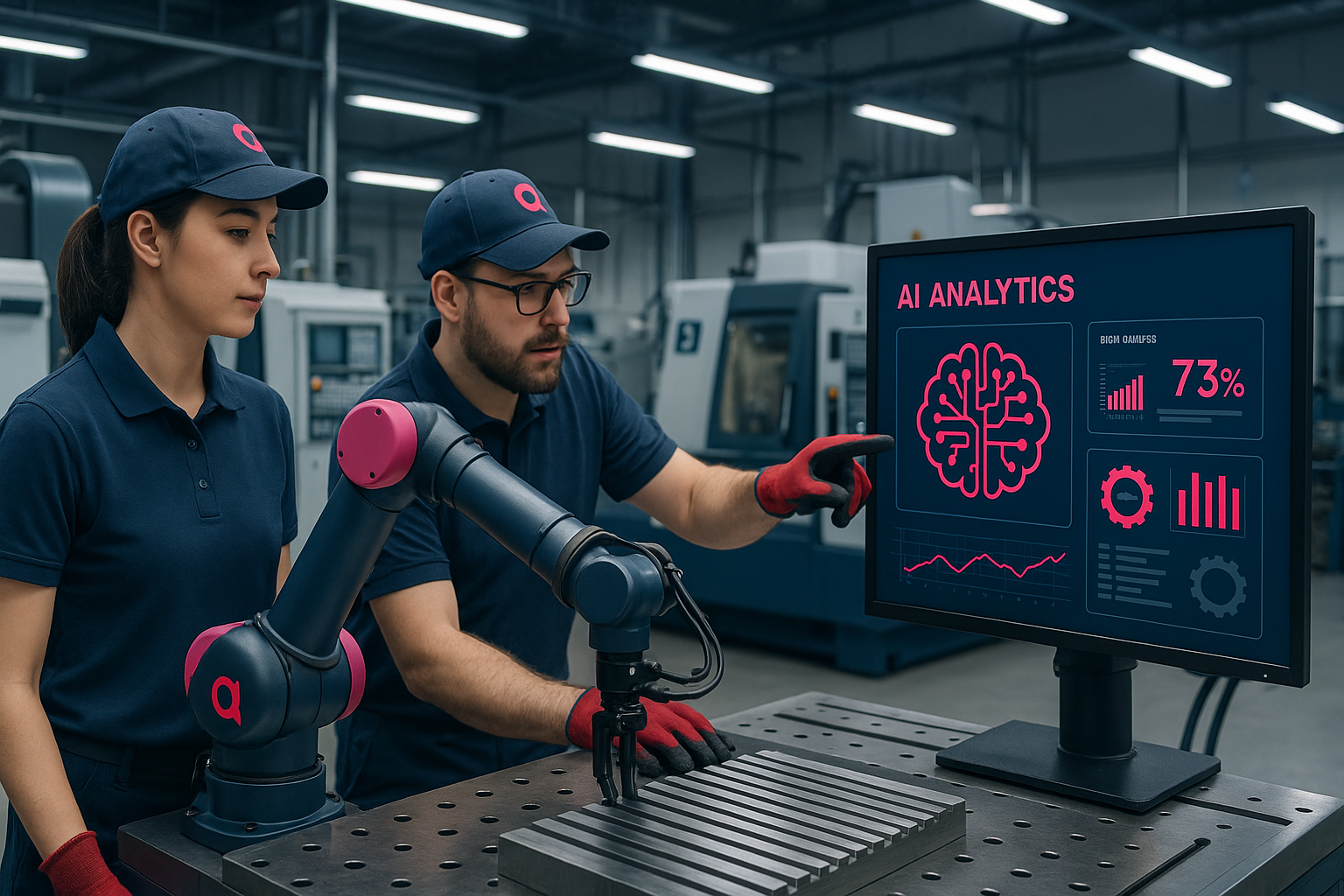
Harnessing AI to Tackle Equipment Downtime
In an age where the manufacturing sector is continually challenged by the twin specters of rising operational costs and the relentless push for efficiency, predictive maintenance powered by AI is emerging as a game-changer. With many manufacturers still ensnared in traditional maintenance paradigms—waiting until equipment fails before initiating repairs—it’s time to pivot towards a proactive model that anticipates issues before they escalate.
The Cost of Downtime
Every operational leader knows that downtime is the enemy. According to estimates, unplanned downtime can cost manufacturers upwards of $250,000 per hour. This staggering figure can cripple profit margins, disrupt supply chains, and erode customer trust. Yet, many firms remain hesitant to embrace AI-driven solutions, often due to misconceptions about complexity or exorbitant costs.
Why Predictive Maintenance Makes Sense
Predictive maintenance utilizes AI algorithms to analyze data from equipment sensors, historical performance, and environmental conditions. By doing so, it can forecast when a machine is likely to fail and recommend timely maintenance interventions. Here’s why this trend is not just a passing fad:
- Cost Savings: Implementing predictive maintenance can reduce maintenance costs by 10-30%. By addressing issues before they lead to breakdowns, manufacturers can significantly decrease repair costs and extend the lifespan of machinery.
- Increased Uptime: By forecasting maintenance needs, manufacturers can achieve up to 20% more uptime. This is pivotal in an industry where every minute counts.
- Enhanced Safety: Predictive maintenance not only protects equipment but also safeguards employees. By ensuring machinery is in optimal condition, companies can reduce the risk of workplace accidents.
- Data-Driven Decision Making: With AI, manufacturers gain insights that enable smarter operational decisions. This data-centric approach can lead to improved production schedules and resource allocation.
Challenges to Overcome
However, the transition to AI-powered predictive maintenance is not without its hurdles. Common challenges include:
- Data Integration: Many manufacturers operate with legacy systems that lack the ability to communicate seamlessly. Integrating new AI solutions with existing infrastructure can be complex.
- Cultural Resistance: There’s often resistance to change within organizations. Employees may fear job displacement or may be skeptical of technology’s reliability.
- Skill Gaps: Successfully implementing AI solutions necessitates a workforce skilled in data analytics and AI tools. Bridging this skills gap is essential.
Taking the Leap
For operations leaders, the imperative is clear: embrace predictive maintenance or risk falling behind. The manufacturing landscape is evolving, and those who leverage AI will not only remain competitive but will also set the standard for excellence in efficiency and safety.
Companies like Q52.ai specialize in guiding manufacturers through this transition. Our expertise in AI strategy and engineering can help you navigate the complexities of digital transformation, ensuring you harness the full potential of predictive maintenance. Don’t let your competitors get ahead—reach out to us today for a consultation and start your journey towards a more efficient future. Connect with us on LinkedIn for more insights and updates: Q52 on LinkedIn.