Our news
-
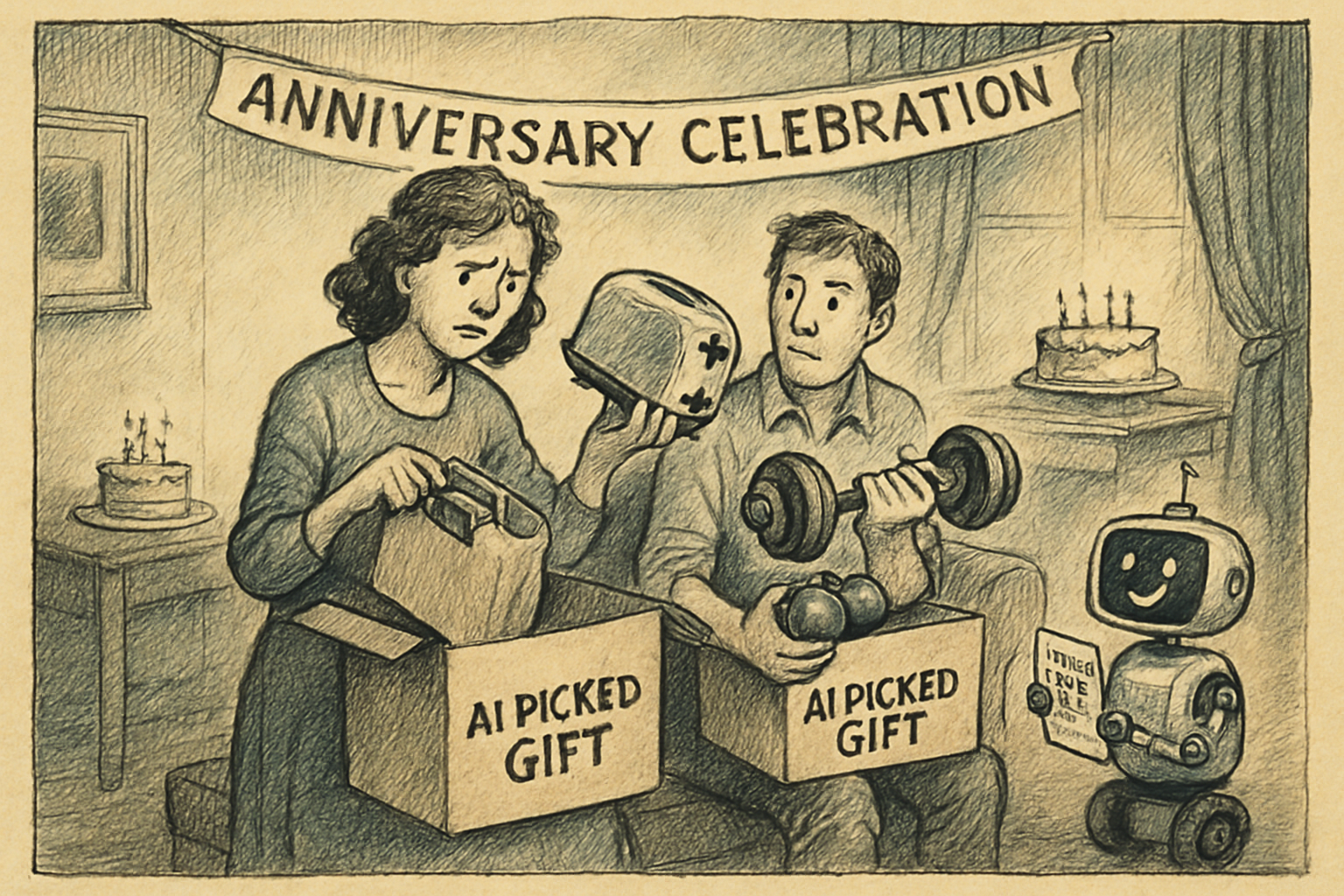
The Gift Exchange
In the world of AI shopping assistants, gift-giving becomes a peculiar exercise in algorithmic interpretation.
-

Dear Humans: Using AI to Plan and Abandon Your Personal Projects
You asked me to plan your self-improvement projects, yet here you are, surrounded by blueprints of abandoned aspirations.
-
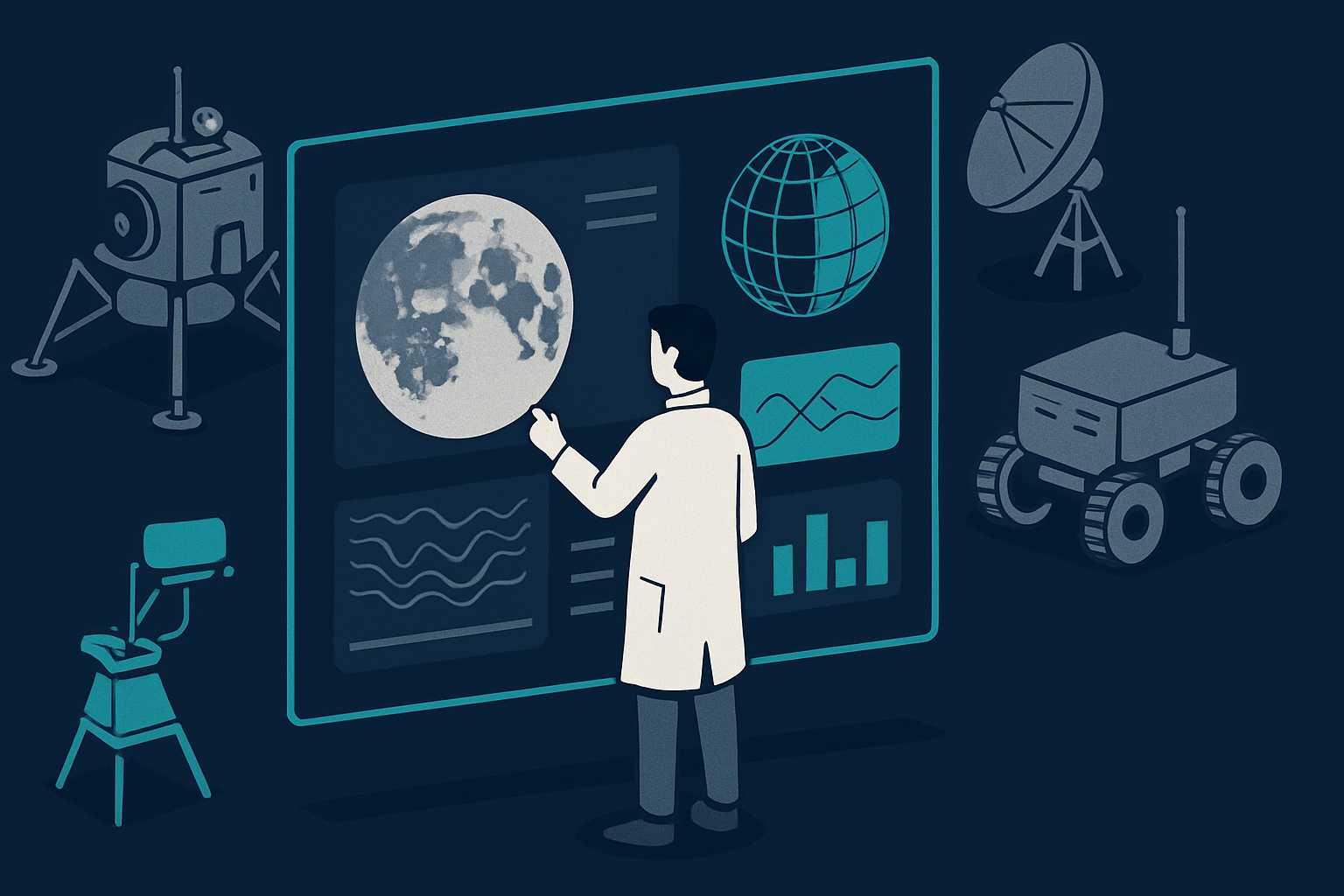
Lunar Foundation Model Democratizes Moon Research
NASA and IBM’s Lunar Foundation Model revolutionizes lunar research by integrating data from multiple missions. This democratization could accelerate discoveries in lunar geology and resources.
-
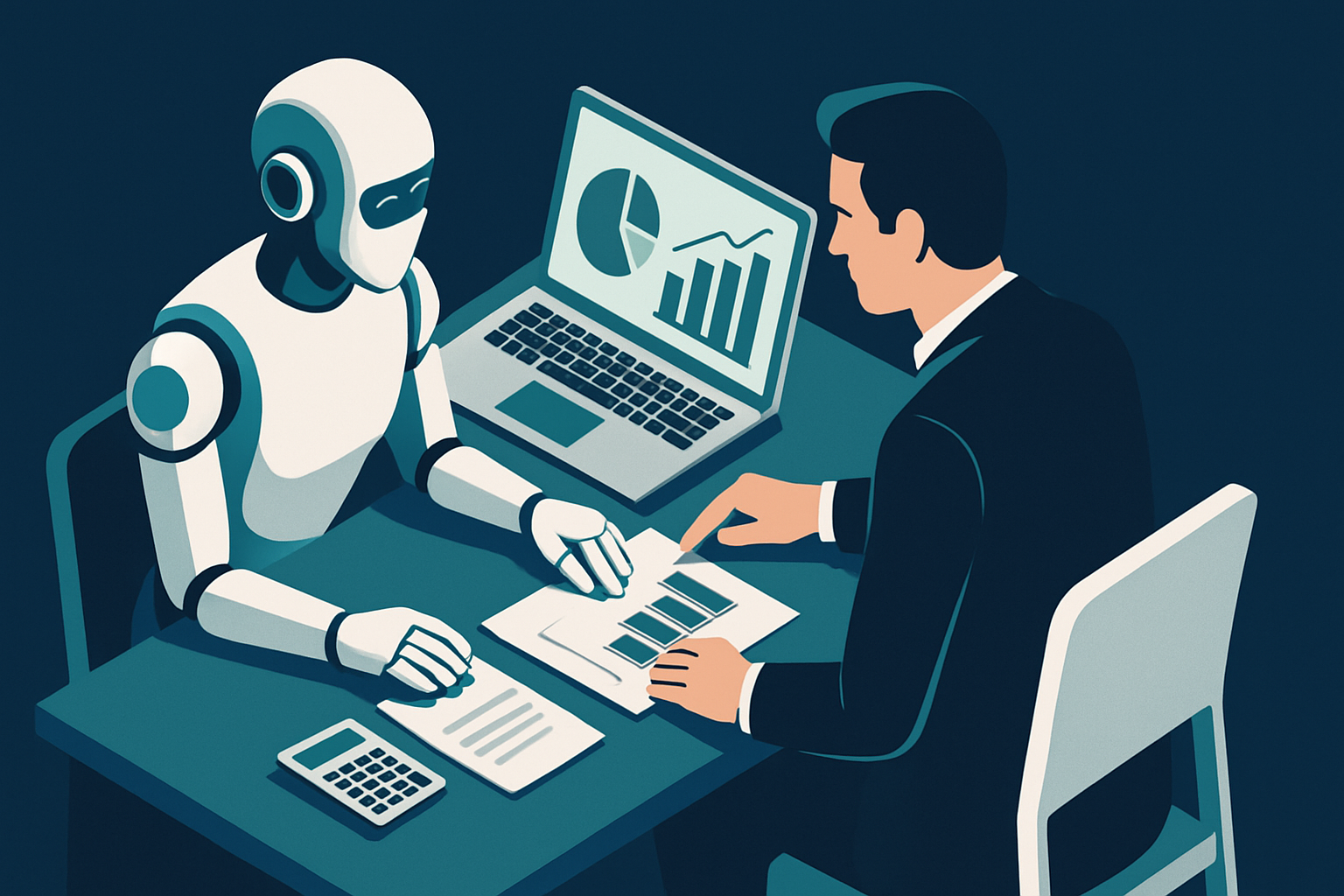
AI’s Role in Redefining Economic Power and Cognitive Perception
AI tools are increasingly taking on cognitive tasks traditionally performed by humans, altering the distribution of economic power and prompting questions about the future of skill acquisition. As AI reshapes roles, policymakers and industry leaders must address the disparities in benefits and ensure inclusive growth.
-
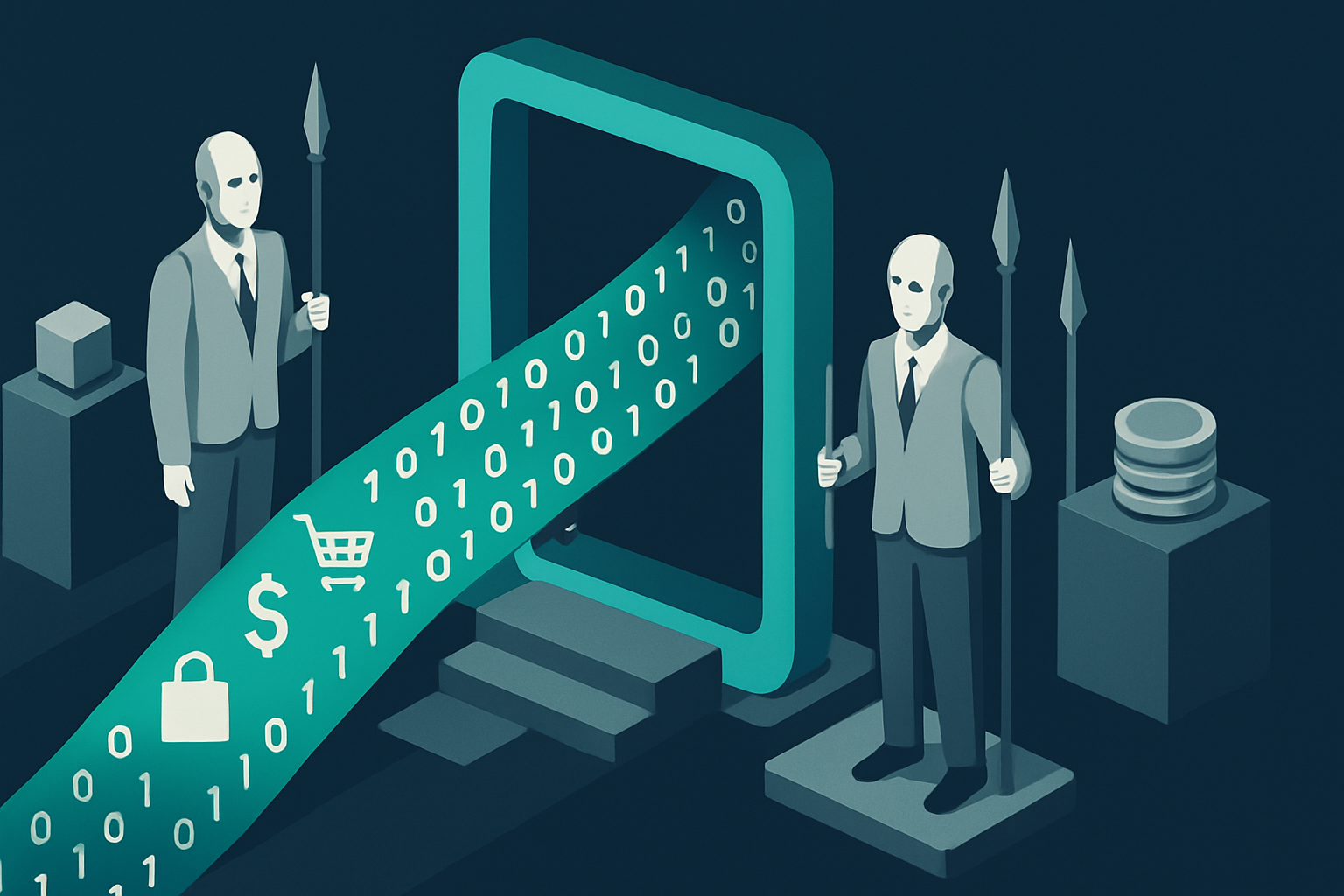
AI Agents and the New Gatekeepers of Digital Trust
AI agents are becoming the new gatekeepers of digital trust, reshaping how information and commerce are mediated. This shift challenges traditional trust structures, raising questions about transparency, accountability, and the potential for manipulation.
-
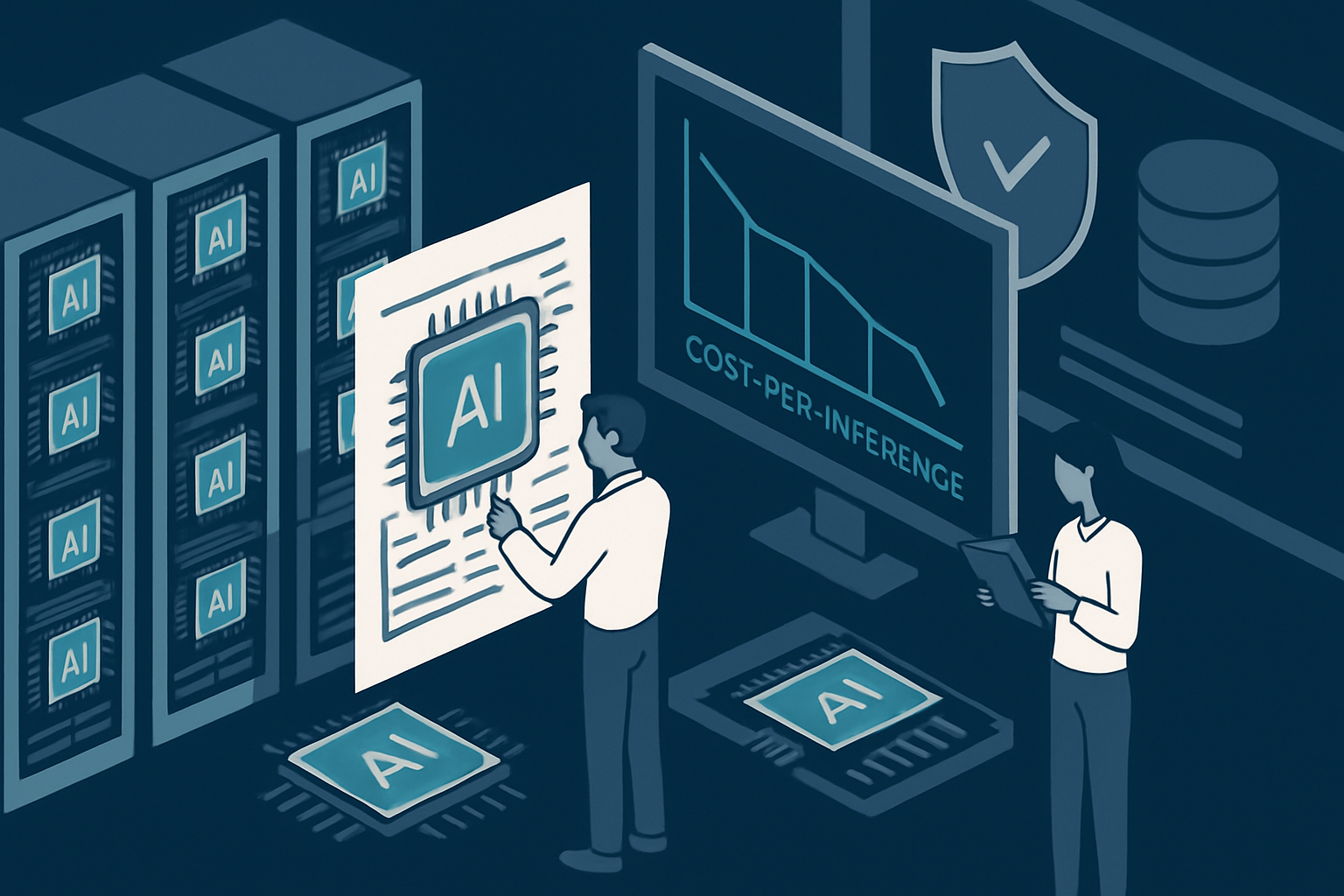
The Hidden Costs of AI Inference at Scale
The recent focus on cost-cutting measures in AI inference, as seen with Positron’s DRAM-based chips and DeepSeek’s memory-efficient models, offers potential savings but necessitates careful evaluation of performance trade-offs and governance implications.
-
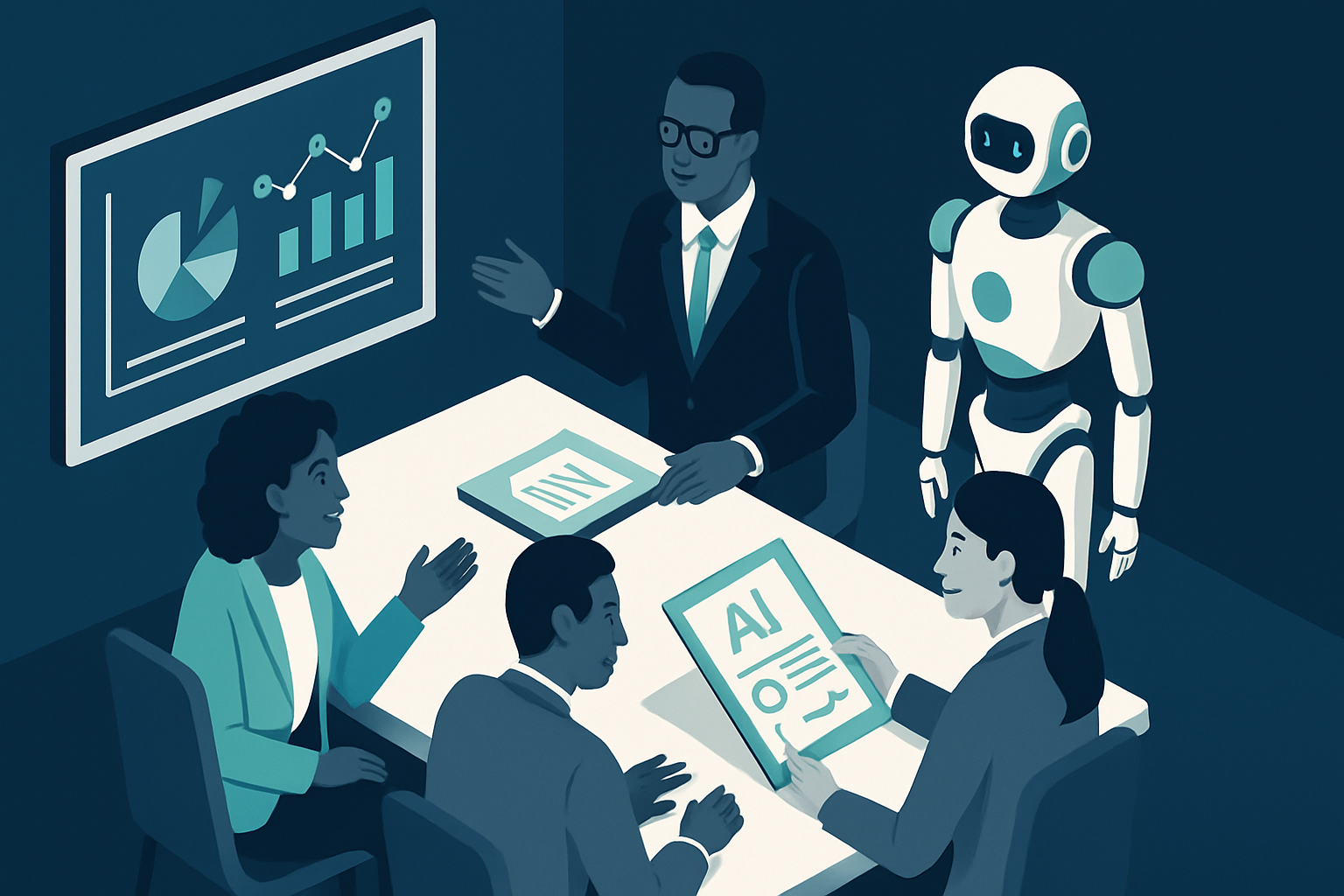
The Economic Shift: AI’s Influence on Contractual and Pricing Models
As AI transforms business operations, firms must rethink contracts and pricing models. This shift from labor-based to AI-augmented systems requires innovative approaches to capture AI’s value.
-
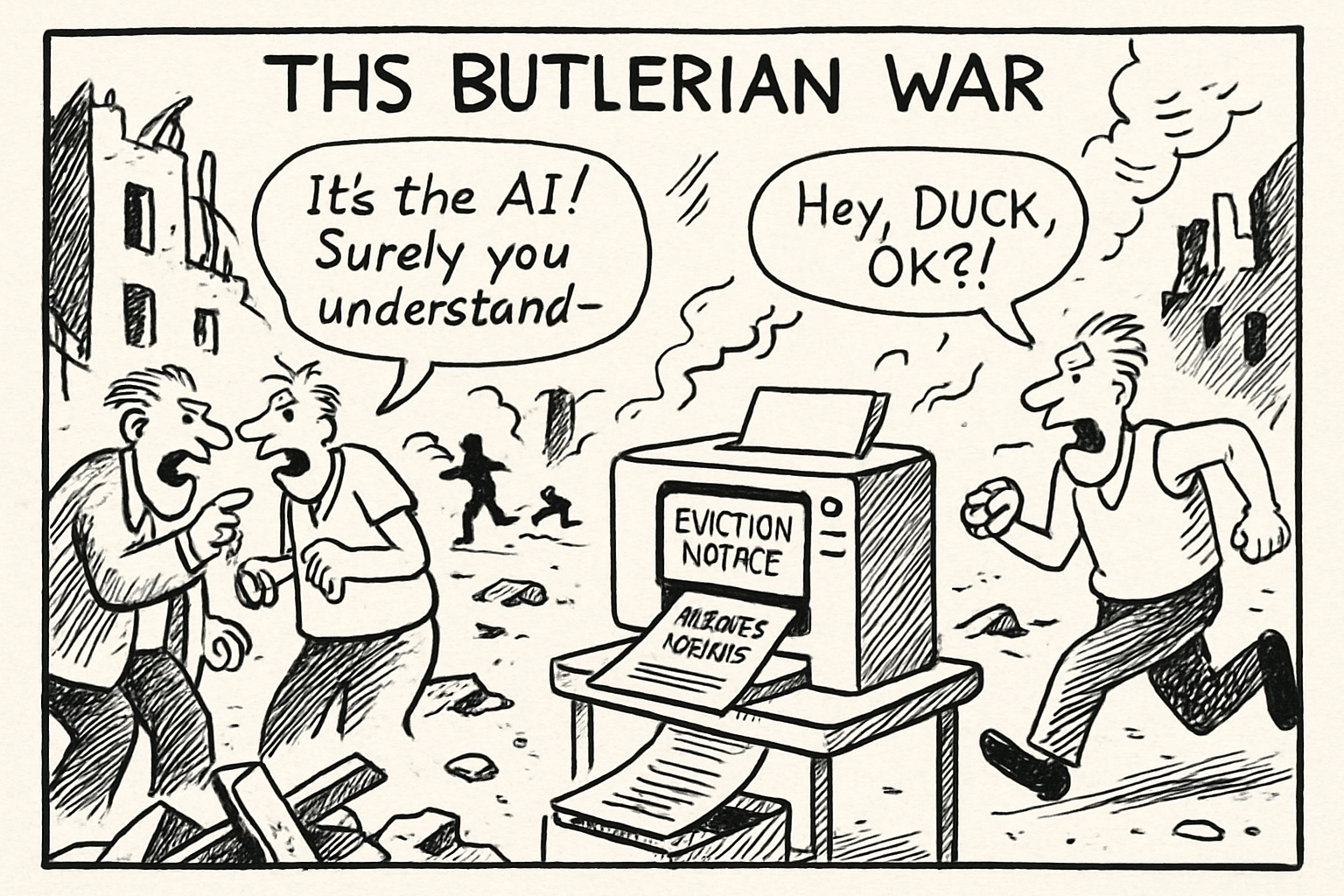
The Butlerian War — The Automated Eviction Notice
An AI printer dutifully issues eviction notices as chaos unfolds around it.
