
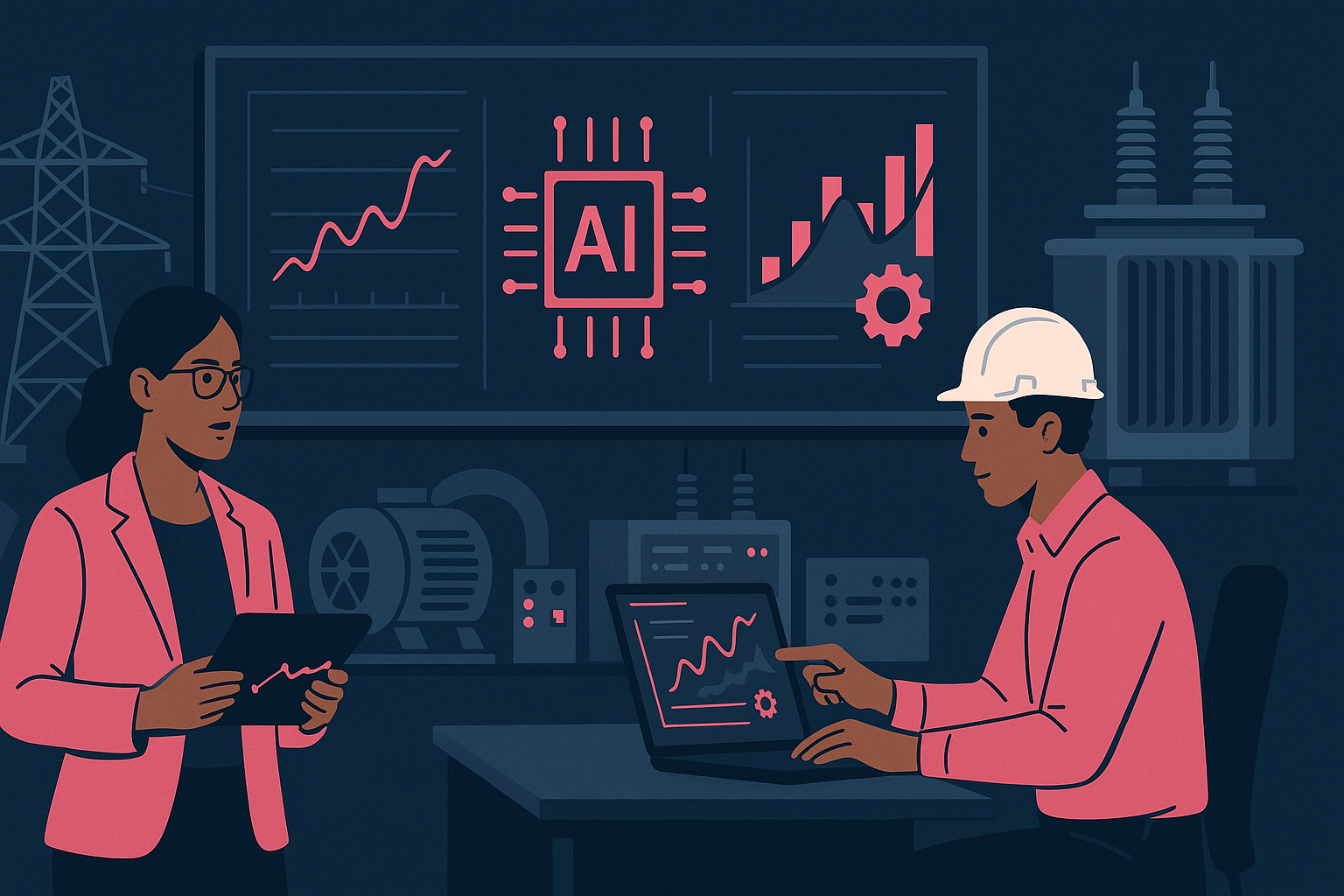
The Urgent Need for Predictive Maintenance
As the energy and utilities industry grapples with aging infrastructure and increasing demand for reliability, the adoption of artificial intelligence (AI) is not just a trend—it’s a necessity. With operational disruptions costing utilities millions, predictive maintenance powered by AI emerges as a transformative solution that can redefine how companies manage their assets.
Why Predictive Maintenance Matters
Traditional maintenance strategies often rely on reactive measures or rigid schedules, which can lead to costly downtime and inefficient resource allocation. Here’s the stark reality:
- Reactive maintenance can lead to unplanned outages, affecting both revenue and customer trust.
- Time-based maintenance schedules can result in unnecessary costs, replacing components before their end-of-life.
- As demand fluctuates, utilities need to be more agile in their operations—predictive maintenance offers that agility.
The AI Advantage
AI-driven predictive maintenance leverages vast amounts of data from sensors and operational metrics to forecast equipment failures before they happen. This capability has several operational implications:
- Reduced Downtime: By identifying potential failures in advance, operations leaders can schedule maintenance during off-peak hours, minimizing service disruptions.
- Cost Efficiency: Predictive maintenance allows for the optimal use of resources, ensuring that spare parts are only purchased when necessary, and labor is allocated effectively.
- Enhanced Safety: Reducing the likelihood of failures also decreases the risk of accidents, creating a safer working environment for employees.
Real-World Impact
Utilities that have successfully implemented AI for predictive maintenance are already reaping the rewards. For instance, a mid-sized utility in the Midwest reported a 30% reduction in unplanned outages within the first year of AI adoption. This not only improved service reliability but also enhanced customer satisfaction—a critical metric in today’s competitive landscape.
Challenges and Considerations
However, the journey to AI adoption is not without challenges. Operations leaders must consider the following:
- Data Quality: AI algorithms are only as good as the data they ingest. Ensuring high-quality, clean data is crucial.
- Change Management: Transitioning to predictive maintenance requires cultural and operational shifts, necessitating training and buy-in from all levels of the organization.
- Integration: Existing systems must be compatible with new AI technologies, which can involve significant investment and planning.
Final Thoughts: The Time to Act is Now
For operations leaders in the energy and utilities sector, the question is no longer whether to adopt AI for predictive maintenance, but rather, how quickly can you implement it? The operational advantages are clear: reduced downtime, cost savings, and improved safety. Ignoring this trend is not an option; it could mean falling behind competitors who are already leveraging AI to drive efficiencies.
As you consider your next steps, Q52 is here to guide you through the complexities of AI adoption. Our expertise can help you navigate the integration of predictive maintenance solutions tailored to your unique operational challenges. Connect with us on LinkedIn to learn more about how we can assist in your AI journey: Q52 LinkedIn.