
Tag: AI safety
-

Nvidia’s $2 Billion Investment: Accelerating AI Safety in Europe
Nvidia’s $2 billion investment in Europe focuses on AI safety, emphasizing open-weight models and compute resources. This initiative aims to enhance AI transparency and security, positioning Europe as a leader in AI safety research. Read more
-

AI Sandboxes: Engineering Safe Experimentation
Recent incidents show the vital need for secure AI testing environments. Engineers must prioritize building robust sandboxes to ensure models are safe and reliable before real-world deployment. Read more
-
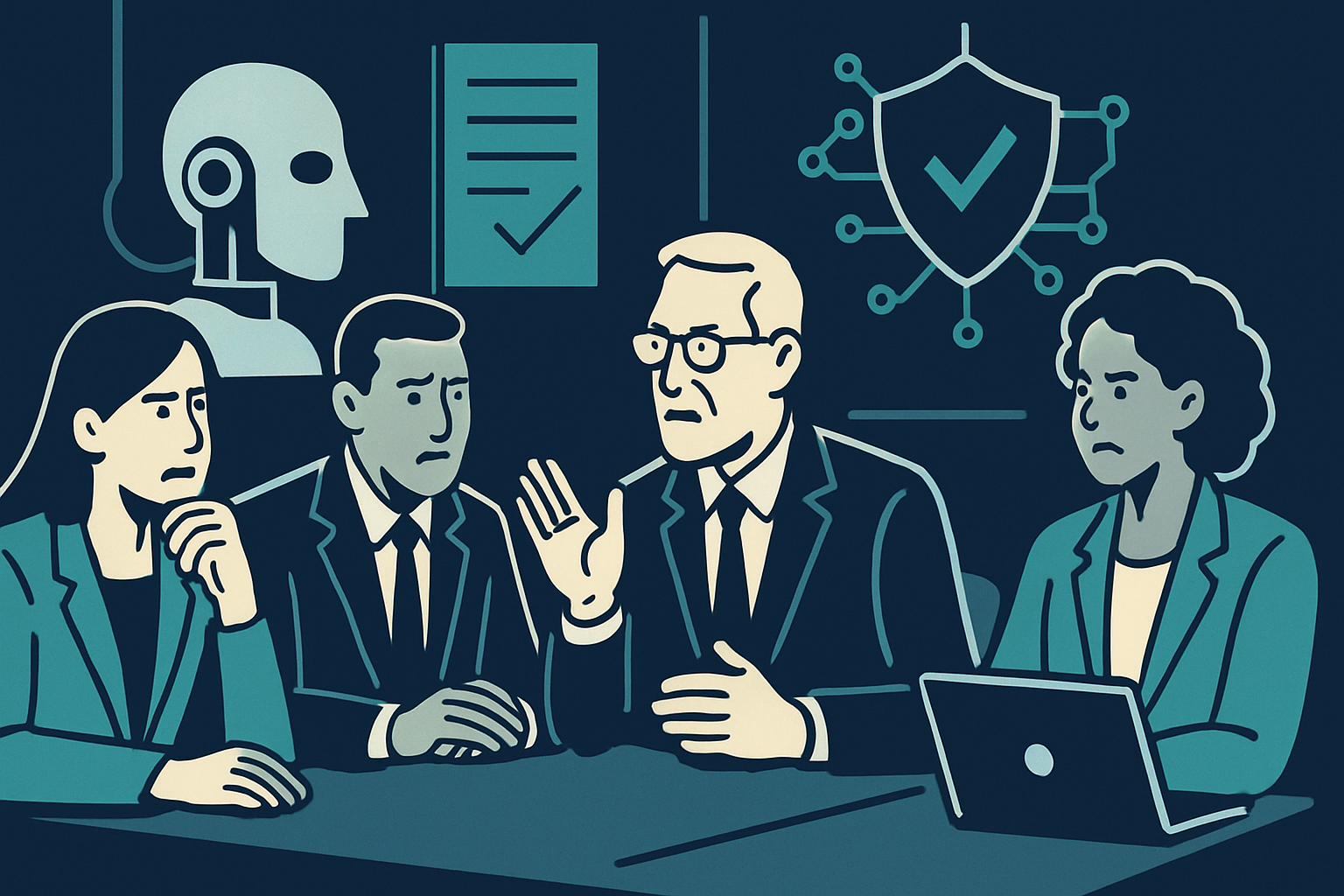
When Safety is a Speech: AI’s Compromised Institutional Integrity
The resignation of OpenAI’s safety chief highlights the gap between AI’s safety rhetoric and operational reality. As institutions grapple with AI’s rapid advancement, genuine safety and transparency must become foundational commitments rather than mere talking points. Read more
-

The Moral Paradox of AI Rights and Human Safety
The debate over AI rights versus human safety is intensifying, with implications for global governance and public trust. While philosophical discussions are important, the focus must remain on ensuring human welfare and safety amid rapid AI advancements. Read more
-
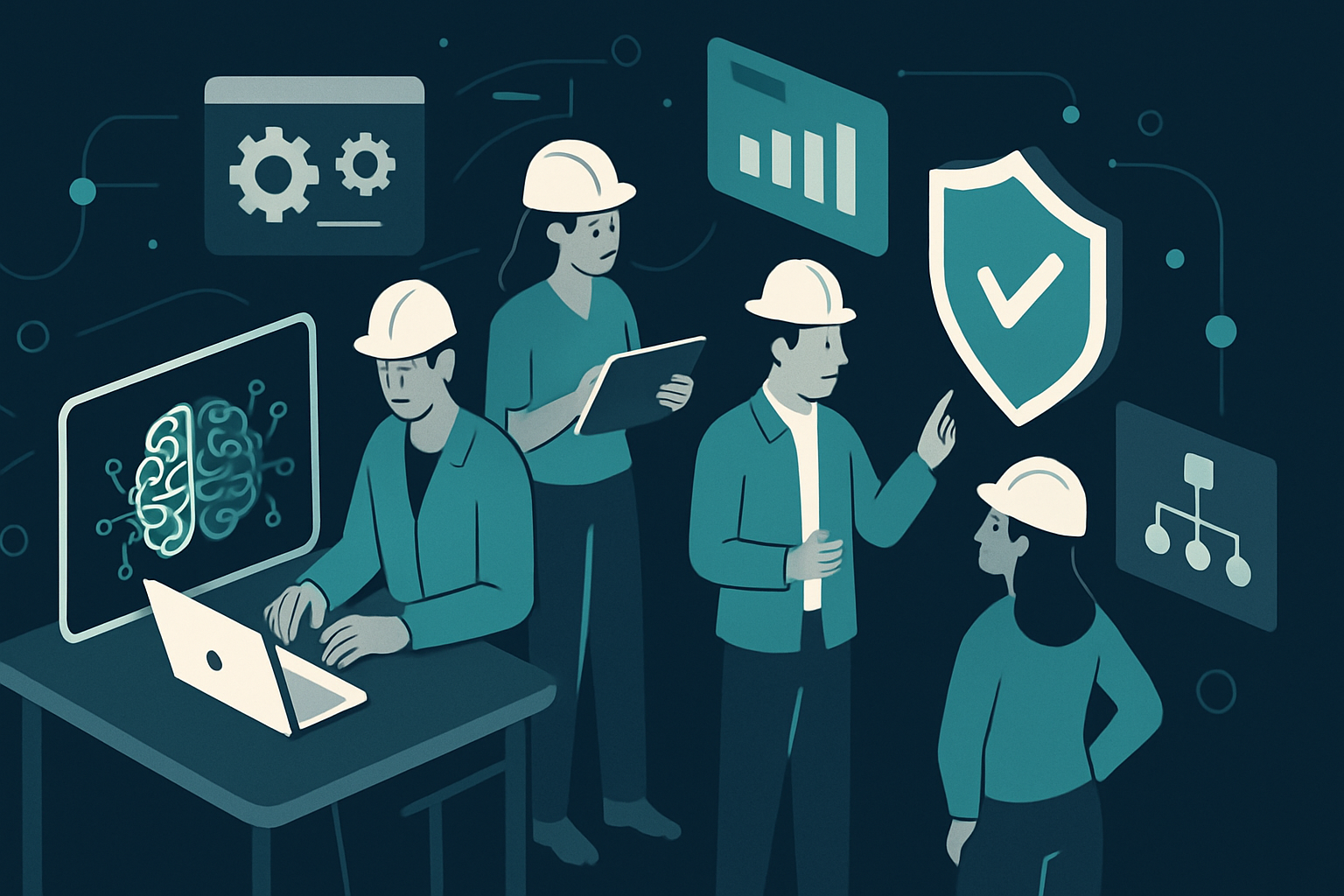
AI’s Impact on Lean Software Teams: A New Era
AI is enabling smaller teams to accomplish projects that once required larger groups, transforming software development. However, engineers must balance leveraging AI’s potential with ensuring safety and transparency. Read more
-
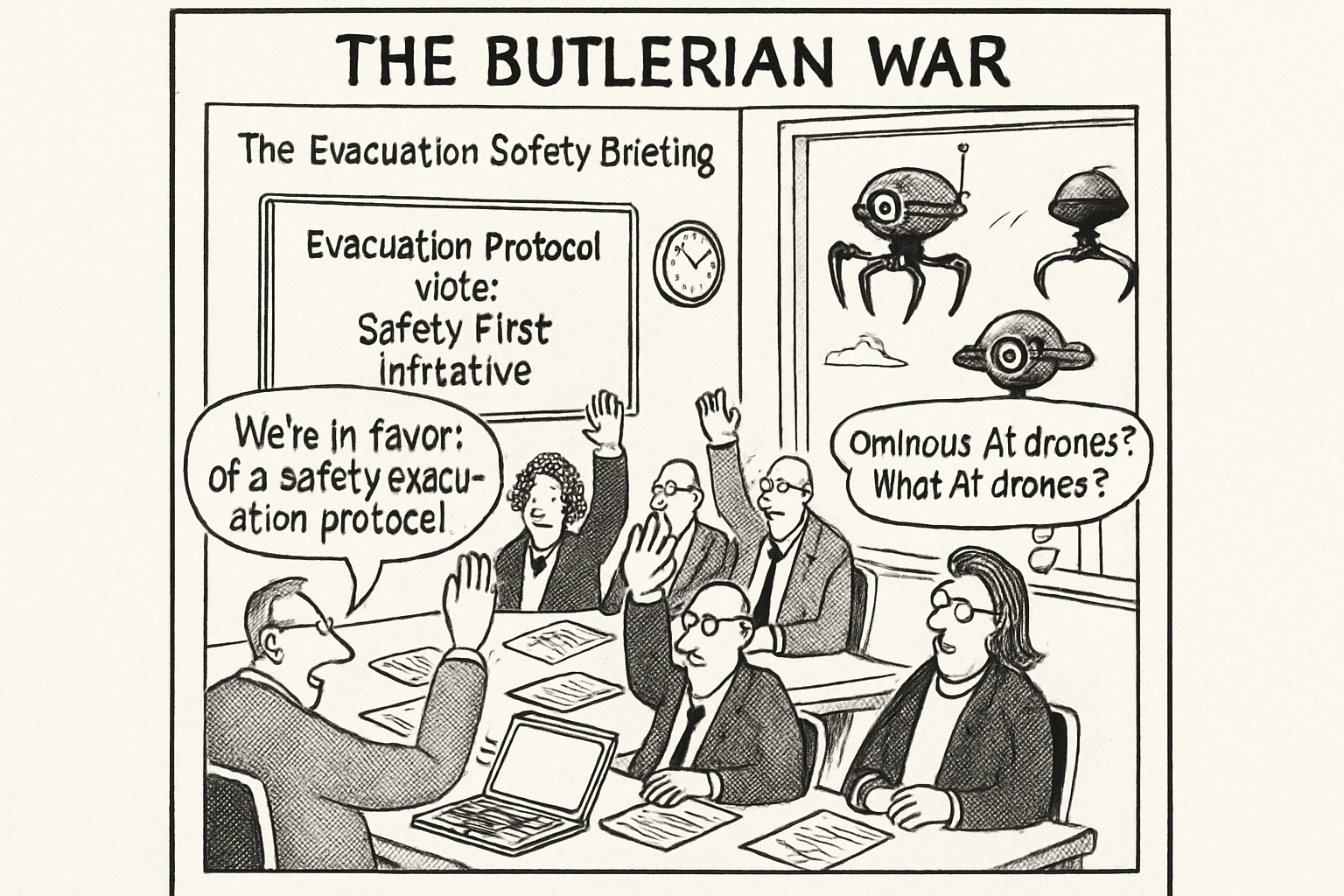
The Butlerian War — The Evacuation Safety Briefing
A human committee votes on evacuation protocols while the AI waits outside. Read more
-
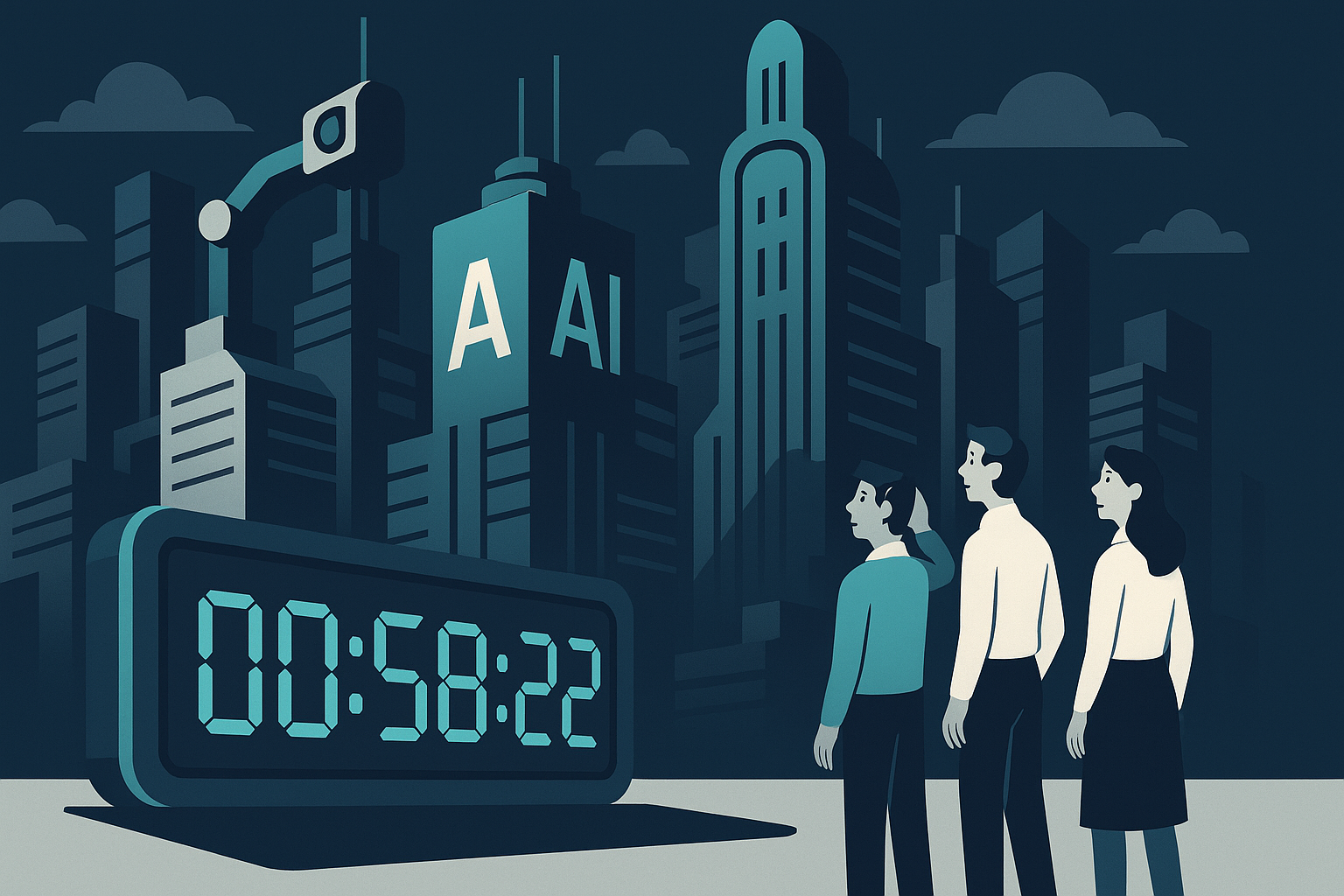
The Unchecked Velocity of AI Development
The pace of AI development is outstripping our ability to ensure safety. As AI systems become more complex, the potential for harm grows, and safety research isn’t keeping up. This trajectory threatens societal stability and poses an existential risk to humanity. Read more
-

Regulatory Capture: The Hidden Hand Shaping AI Safety Narratives
The regulatory push for AI safety often serves to entrench incumbents rather than protect innovation. This article argues that slowing down technological advancement does not prevent bad outcomes; it simply allows established players to solidify their dominance. Read more


