Your daily briefing on AI adoption, tools, and operational reality — curated by q52.ai.
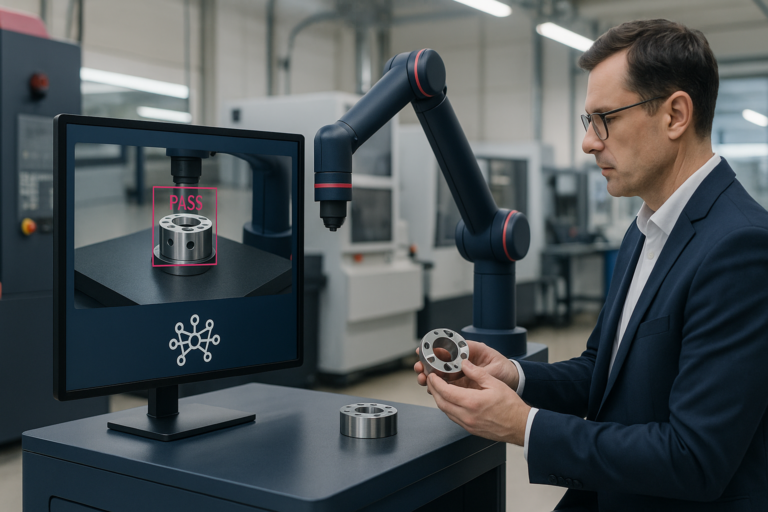
AI in Quality Control: Innovation or Risk?
What Is Happening: Manufacturers are increasingly adopting AI for quality control to enhance efficiency and reduce waste. However, this shift raises questions about the potential complexities and challenges of implementation, including data dependency and integration issues with legacy systems.
Why It Matters: For operations leaders, the introduction of AI in quality control can streamline processes but may also introduce risks like false positives and the need for upskilling staff. Understanding these factors is crucial to avoid costly disruptions and ensure effective implementation.
Q52’s Takeaway: Assess your current quality control processes and identify potential gaps that AI could fill. Engage your team in discussions about the necessary training and integration strategies to ensure a smooth transition.
Read the full article on q52.ai

Streamline Your Data Workflows with Apache Airflow
What Is Happening: Apache Airflow is gaining traction as a powerful open-source tool for orchestrating complex data workflows. It offers dynamic pipeline generation, robust scheduling capabilities, and extensive integrations with popular data platforms, making it a valuable asset for data-driven organizations.
Why It Matters: By implementing Apache Airflow, operations leaders can enhance efficiency, automate repetitive tasks, and scale data operations effectively. This tool can significantly reduce resource wastage, allowing teams to focus on strategic initiatives rather than manual processes.
Q52’s Takeaway: Evaluate your current data workflow management and consider adopting Apache Airflow to improve efficiency and scalability. Discuss with your data team how automation can free up resources for higher-value tasks.
Read the full spotlight on q52.ai

The AI Skills Gap: Are We Overestimating Expertise?
What Is Happening: Many companies are quickly labeling employees as ‘AI specialists’ without ensuring they possess the necessary skills to navigate AI systems effectively. This disconnect is leading to inefficiencies and longer workflows as organizations invest heavily in upskilling programs that don’t yield results.
Why It Matters: For operations leaders, the mismatch between job titles and actual capabilities can hinder productivity and workflow efficiency. A workforce that lacks real AI expertise may struggle to implement AI solutions effectively, ultimately stalling innovation and growth.
Q52’s Takeaway: Focus on aligning job titles with actual skills by conducting a skills assessment within your team. Implement targeted training programs to bridge identified gaps and ensure your workforce can leverage AI tools effectively.

Navigating the Divided Opinions on AI Adoption
What Is Happening: Public opinion on AI is sharply divided, with concerns around job displacement and ethical implications contrasting with optimism about AI’s benefits. This polarization creates uncertainty for small and mid-sized businesses regarding AI adoption strategies.
Why It Matters: SMBs may face challenges in decision-making and investment in AI due to mixed perceptions among stakeholders. This hesitance can slow down innovation and impact competitive positioning in the market.
Q52’s Takeaway: Facilitate open discussions within your organization about the potential benefits and risks of AI specific to your operations. Encourage your team to share concerns and explore practical use cases to foster a culture of informed decision-making around AI.
Daily Prompt
What do you think is the biggest misconception about AI in everyday jobs?
Try it in ChatGPT, Claude, or your favorite AI assistant. Want more? Browse the q52 Prompt Library for ready-to-use prompts built for real business outcomes.
That’s the digest for April 14, 2026.
Want this in your inbox? Subscribe to the q52 Newsletter to get the daily digest delivered automatically.
Questions? Reach out at info@q52.ai or connect on LinkedIn.