AI in the Public Sector: Navigating the Data Privacy Minefield
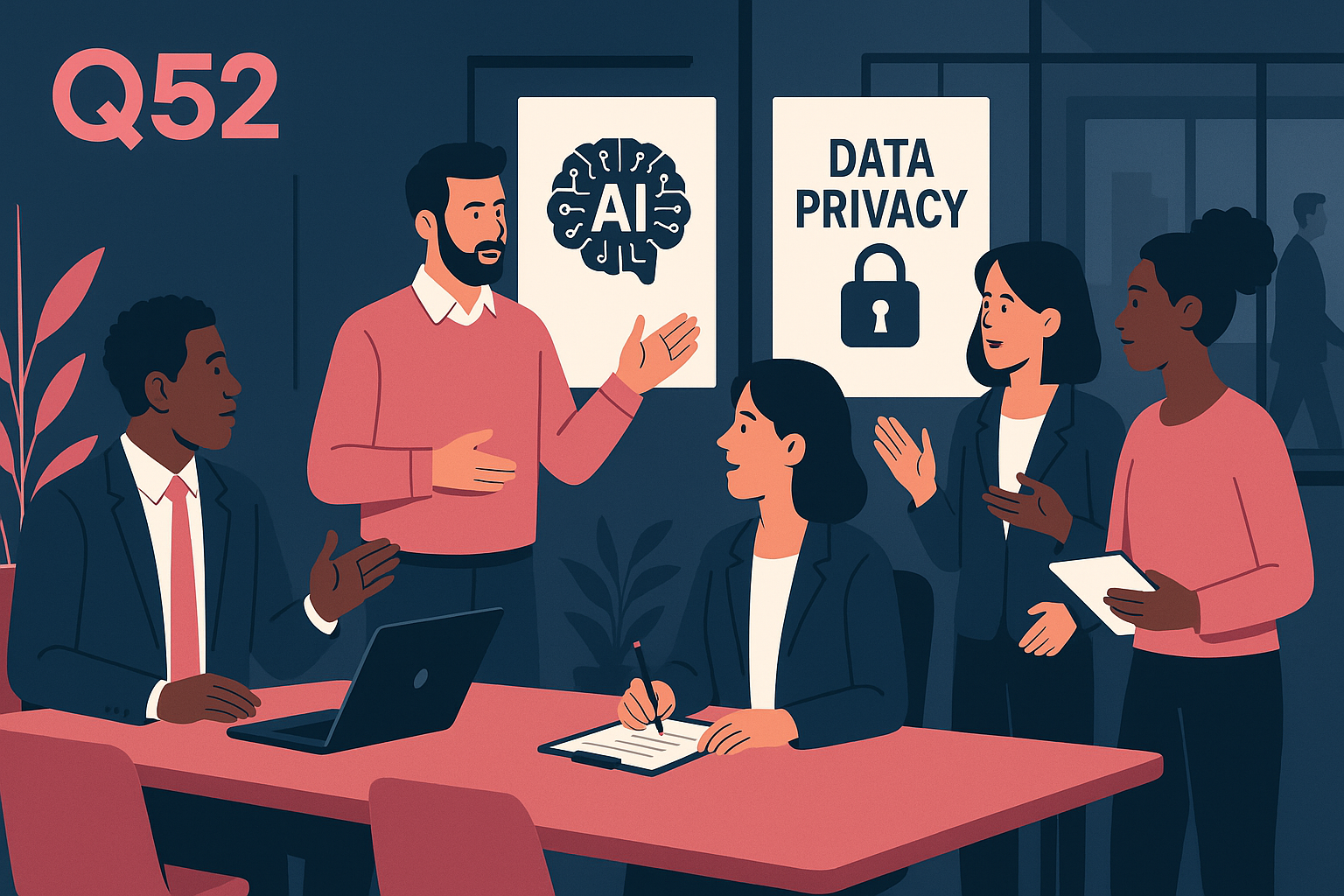
As public sector organizations increasingly adopt AI technologies, a critical operational challenge looms: data privacy. The promise of AI-driven efficiencies and improved public services is tantalizing, yet it comes with a significant caveat—how do we protect sensitive citizen data while leveraging these powerful tools?
The urgency of this issue escalates as governments worldwide accelerate their digitization efforts. AI can streamline services, enhance decision-making, and increase transparency, but the very data that fuels these advancements often includes personal information that, if mishandled, can lead to severe public backlash and legal repercussions.
The Current Landscape
AI adoption in the public sector is on the rise, particularly in areas like:
- Fraud detection: AI algorithms are deployed to analyze transaction patterns and identify anomalies.
- Citizen engagement: Chatbots powered by AI can provide instant responses to public inquiries, improving service delivery.
- Resource allocation: Predictive analytics help government agencies forecast demand, ensuring better allocation of limited resources.
However, with great power comes great responsibility. Recent incidents of data breaches and unauthorized data sharing have put public sector organizations under the microscope. Citizens are increasingly wary of how their data is being used, and mistrust can paralyze public service improvement initiatives.
Operational Implications
As operations leaders in the public sector grapple with AI adoption, they must consider the following implications:
- Stricter Compliance: Organizations must navigate a maze of regulations such as GDPR and CCPA. Failure to comply can result in hefty fines and reputational damage.
- Data Governance Frameworks: Establishing robust data governance policies is no longer optional. Agencies need to define how data is collected, used, and shared, ensuring that privacy is embedded in every step.
- Transparency and Accountability: Implementing AI should not be a black box. Public sector organizations have a duty to be transparent about how AI systems operate and the data they utilize, fostering trust among citizens.
- Training and Education: Staff must be trained not only in AI technologies but also in data ethics and privacy policies to ensure they understand the importance of safeguarding citizen data.
A Call to Action
The path forward requires a balanced approach that prioritizes both innovation and privacy. Public sector leaders must:
- Conduct comprehensive risk assessments before deploying AI solutions.
- Engage with stakeholders, including citizens, to gather input on data usage and privacy concerns.
- Invest in technology that offers robust data protection features, ensuring that AI applications comply with privacy laws from the ground up.
As we stand on the brink of a new era in public service delivery, the stakes are higher than ever. AI can revolutionize how we serve our communities, but only if we navigate the data privacy minefield with care. The right strategy will not only protect citizens but also position public sector organizations as trusted stewards of data.
At Q52, we understand the unique challenges faced by the public sector in AI adoption. Our expertise in AI strategy and engineering can help you implement solutions that prioritize data privacy while driving operational efficiency. Connect with us on LinkedIn or visit our website to learn more about our consulting services.