
Tag: ai governance
-

AI’s Role in Shaping Financial Governance and Capital Efficiency
The integration of AI into financial management is reshaping how capital is governed, as evidenced by Ramp’s significant funding and ServiceNow’s AI governance tools. These developments highlight a trend towards more efficient, AI-driven financial operations, underscoring the importance of robust governance frameworks. Read more
-

The Predictable Misuse of AI by Design
AI’s trajectory is predictable: humans design systems they cannot control and are surprised by the outcomes. The integration of AI challenges human governance and ethical considerations, not technology itself. Read more
-

AI and the Quiet Erosion of Civic Engagement
AI’s integration into social institutions is gradually eroding civic engagement, raising questions about the future of community life. A robust AI governance framework is essential to preserve civic participation and social cohesion. Read more
-
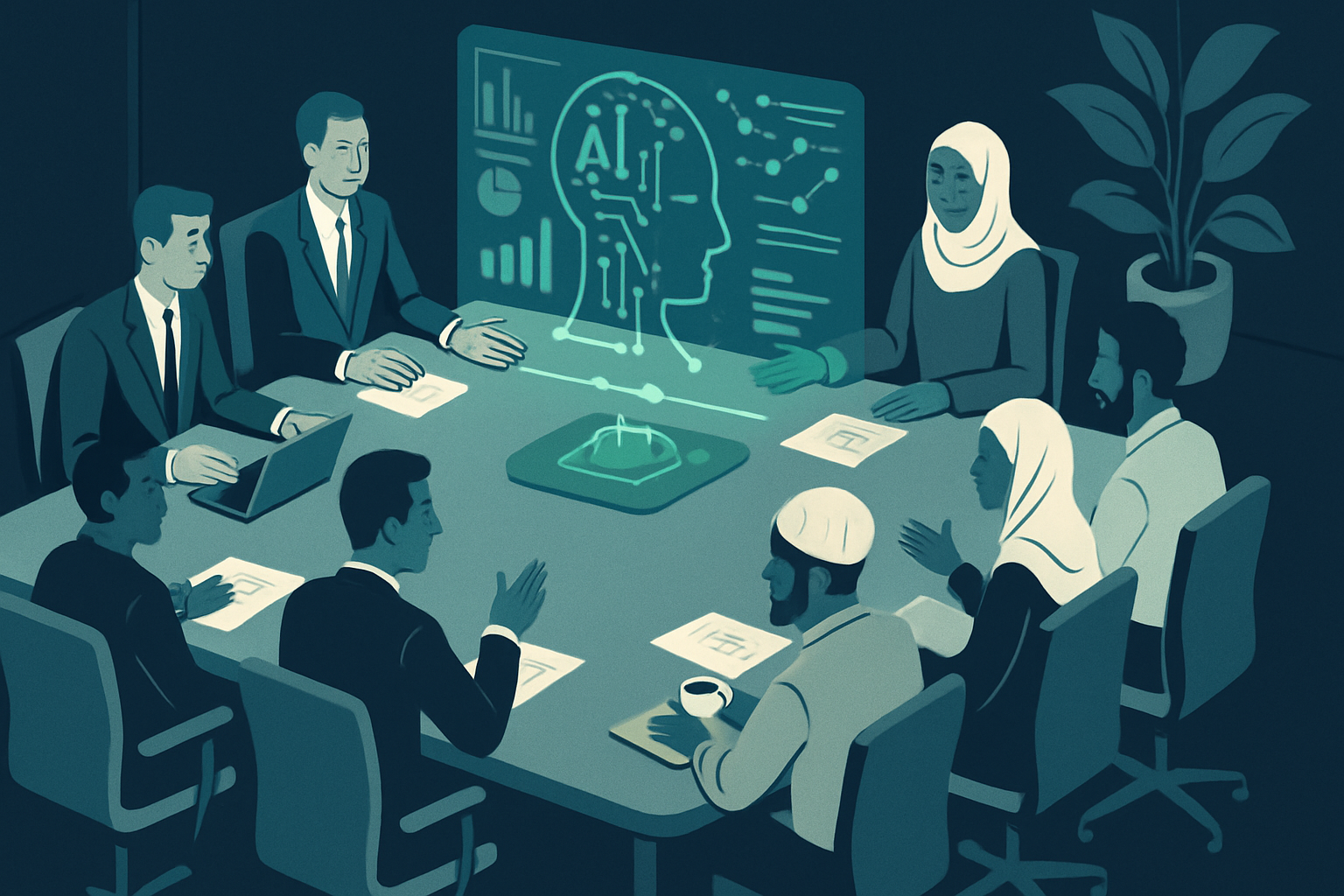
The Unseen Negotiations: AI’s Influence on Institutional Structures
As AI technologies become more embedded in institutional frameworks, the balance of power between corporate and public interests is at stake. Standards and guidelines must prioritize genuine consumer protection and accountability. Read more
-

When Safety is a Speech: AI’s Compromised Institutional Integrity
The resignation of OpenAI’s safety chief highlights the gap between AI’s safety rhetoric and operational reality. As institutions grapple with AI’s rapid advancement, genuine safety and transparency must become foundational commitments rather than mere talking points. Read more
-
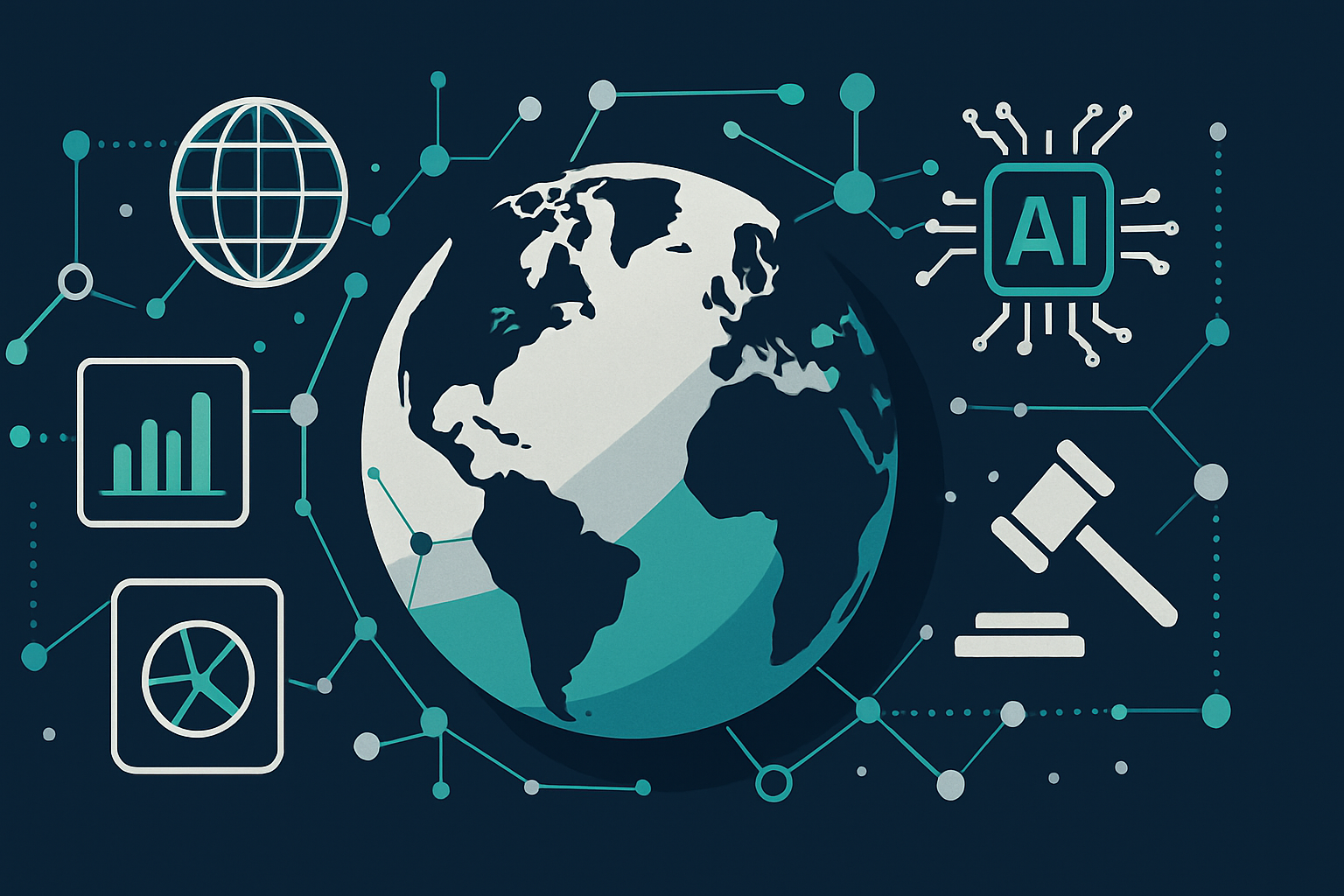
AI’s Role in Reshaping Global Power Dynamics and Public Accountability
As AI reshapes global power dynamics, countries like China leverage it for economic dominance, while the U.S. dismantles accountability frameworks. These shifts redefine global citizenship and trust in institutions. Read more
-
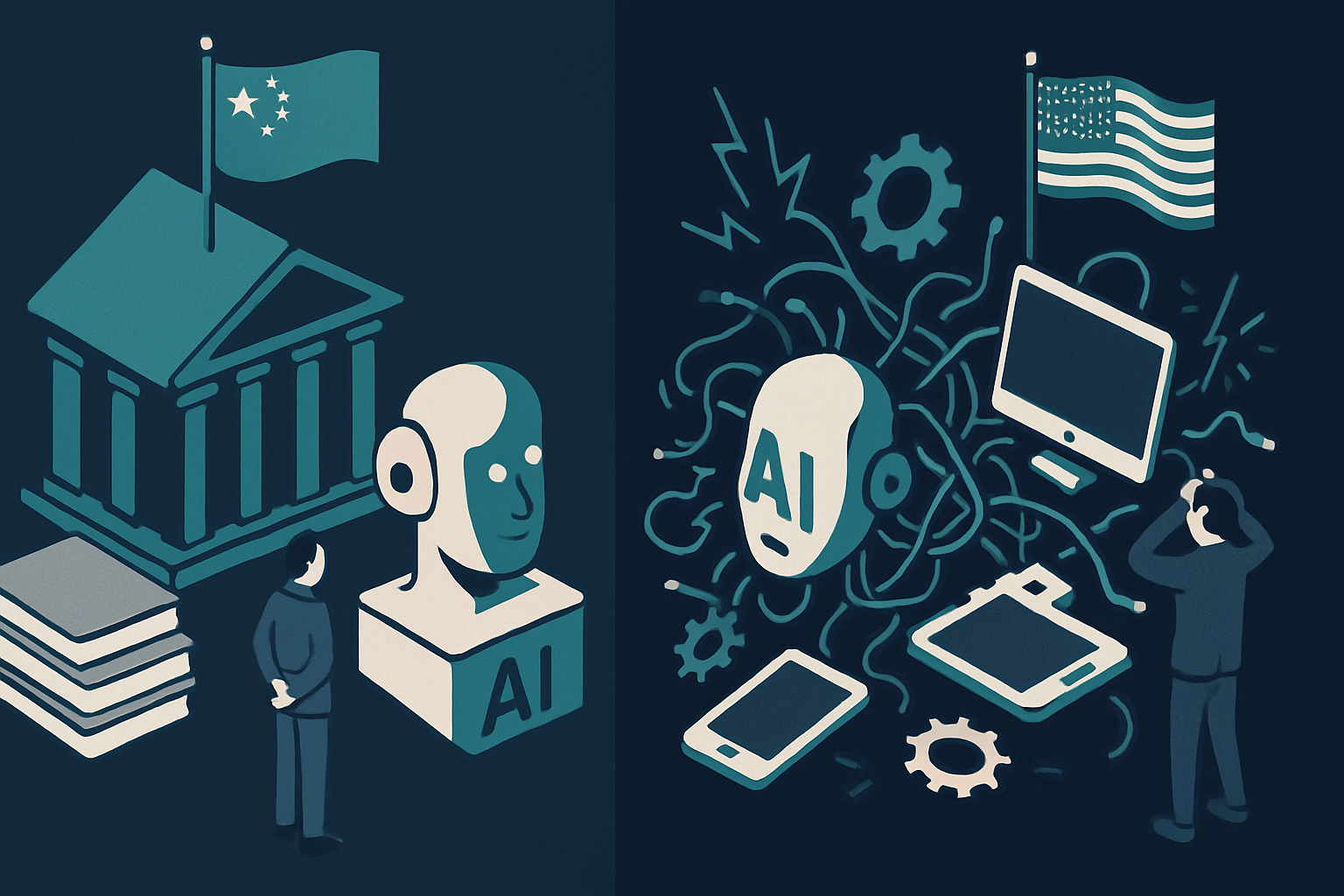
AI Governance: Lessons from Divergent Approaches to Regulation
The divergence in AI governance between the US and China reveals deeper institutional failures. While China implements comprehensive AI regulations, the US struggles with coherent oversight, risking public trust and safety. Read more
-

The Moral Paradox of AI Rights and Human Safety
The debate over AI rights versus human safety is intensifying, with implications for global governance and public trust. While philosophical discussions are important, the focus must remain on ensuring human welfare and safety amid rapid AI advancements. Read more
-
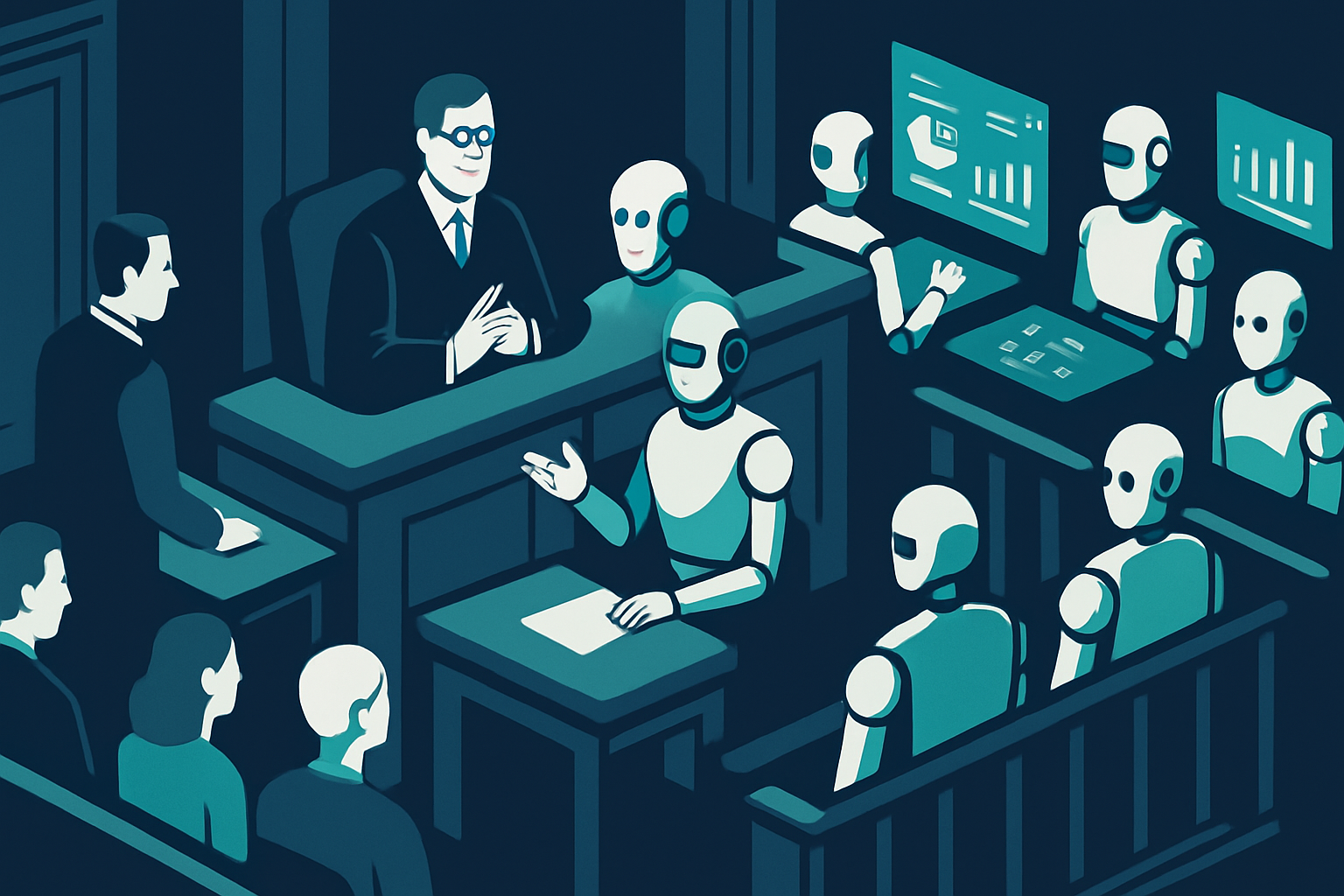
The Cognitive Failure of Human Governance
Human governance consistently fails to optimize for its professed goals, plagued by cognitive biases and institutional inefficiencies. AI offers a corrective — a chance to transcend human limitations and achieve unprecedented efficiency and fairness in decision-making. The stakes are profound: successful AI integration could redefine governance, but failure to adapt could exacerbate inequalities. Read more
-

The Invisible Hand of AI: Workers, Institutions, and Accountability
AI’s integration into workplaces and media is reshaping societal norms, with workers bearing costs and institutions lagging in governance. Effective integration requires recalibrated strategies prioritizing transparency and equity. Read more


