Category: News & Opinions
Analysis of current events in artificial intelligence — filtered through the operational lens of q52. We don’t repost headlines. We translate them.
-
AI in Education: Addressing the Teacher Shortage Crisis with Intelligent Solutions
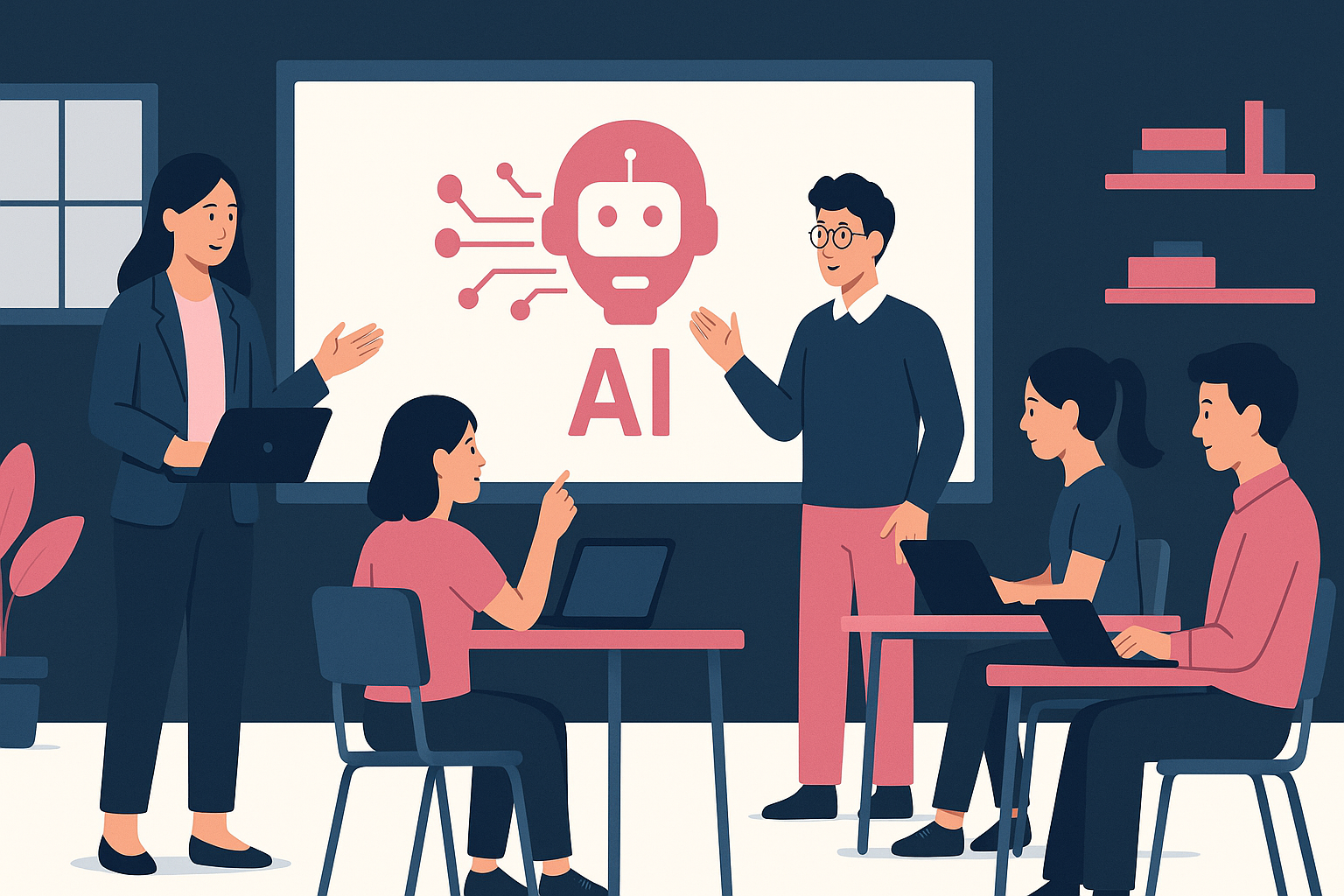
As the education sector grapples with a severe teacher shortage, AI emerges as a critical solution. By leveraging intelligent tutoring systems, administrative automation, and data-driven insights, operational leaders can empower teachers and improve student outcomes, redefining the educational experience. Read more
-
Navigating the Compliance Maze: Why AI is Non-Negotiable for Governance Today
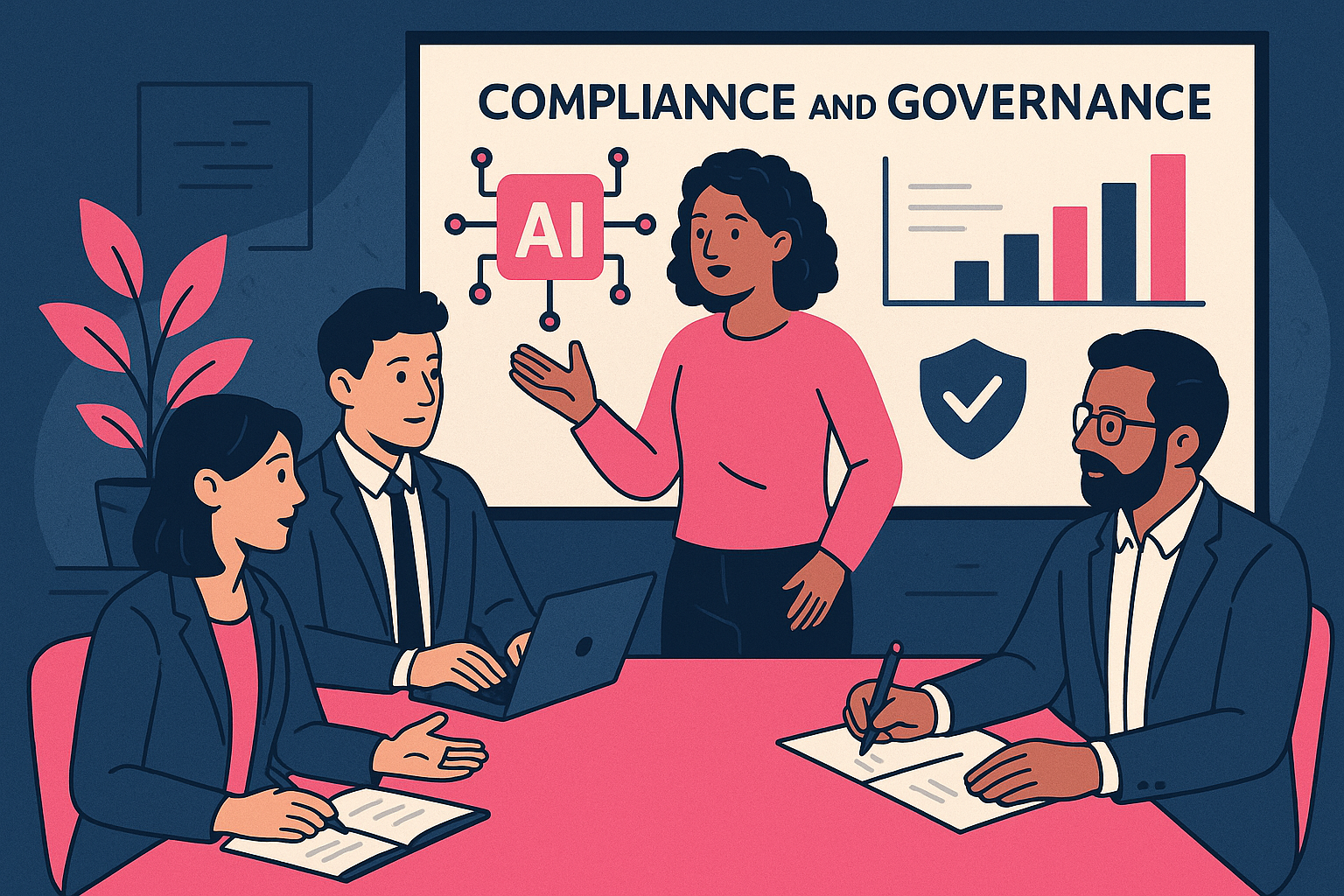
In 2026, the need for AI in governance, risk, and compliance (GRC) is becoming a non-negotiable reality. With the increasing complexity of regulations and the vast amounts of data generated, manual compliance processes are not just inefficient; they are dangerous. AI offers the automation and predictive insights needed to navigate this evolving landscape effectively. Read more
-
AI-Powered Personalization: The Key to Operational Efficiency in Hospitality

As AI adoption accelerates in the hospitality industry, personalization has emerged as a critical operational challenge. Operators must leverage AI to meet growing guest expectations or risk losing competitive ground. Discover how AI can redefine your guest experience and drive operational efficiency. Read more
-
Navigating the LLM Integration Challenge: Why AI Infrastructure Must Evolve Now
As businesses adopt Large Language Models (LLMs), the existing AI infrastructure often struggles to keep pace. If you’re an operations leader, it’s time to confront the urgent need for evolution in your AI infrastructure to avoid being left behind. Read more
-
Powering Change: Embracing AI for Predictive Maintenance in the Energy Sector

The energy and utilities industry is at a critical juncture, with AI-driven predictive maintenance emerging as a transformative solution. Operations leaders must embrace this technology to reduce downtime, improve safety, and drive cost efficiencies. Ignoring this trend could mean falling behind competitors. Read more