AI: The Double-Edged Sword in Governance, Compliance, and Risk
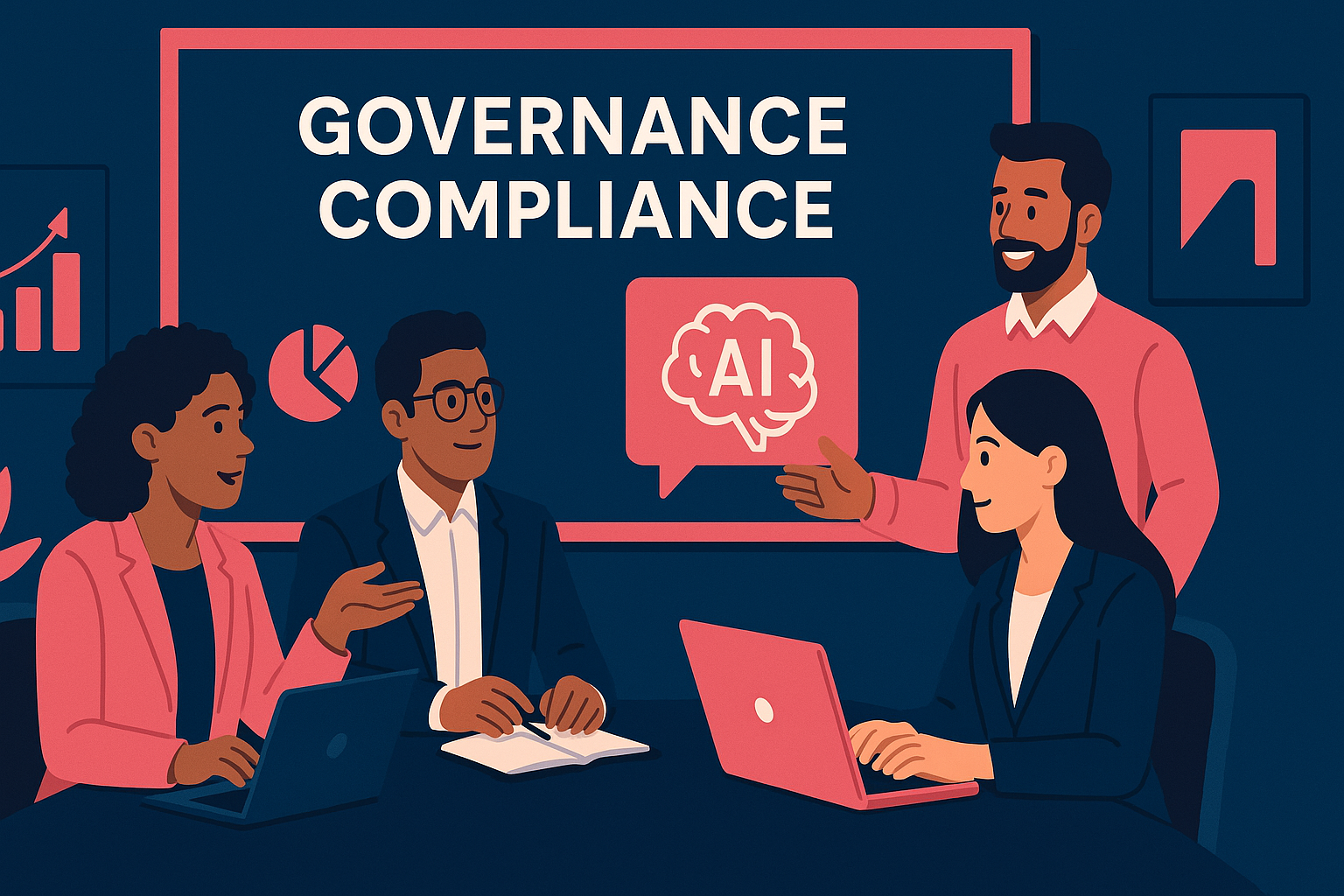
As we step into 2026, the governance, compliance, and risk management (GCR) landscape is undergoing a seismic shift driven by artificial intelligence (AI). While many organizations have embraced AI to enhance efficiency, the operational challenge of managing compliance risks associated with AI deployment has emerged as a pressing concern.
In a world where data is the new oil, the implications of AI in GCR are profound. On one hand, AI can streamline processes, enhance decision-making, and predict risks with unprecedented accuracy. On the other hand, the very algorithms that offer these advantages can also introduce new compliance challenges and ethical dilemmas that organizations must navigate.
The Compliance Conundrum
One of the most significant operational challenges that organizations face today is the compliance risk stemming from AI systems. The rapid evolution of AI capabilities has outpaced existing regulatory frameworks. Here’s what that means for operations leaders:
- Increased Scrutiny: AI-driven decisions are now under greater scrutiny. Regulators are increasingly demanding transparency and accountability in AI systems, which means organizations must ensure that their algorithms are not only effective but also compliant with existing laws and regulations.
- Data Governance Issues: The use of AI often involves massive datasets that may include sensitive personal information. Organizations must implement robust data governance frameworks to avoid breaches and ensure compliance with regulations like GDPR and CCPA.
- Ethical AI Usage: There is a growing expectation for organizations to use AI ethically. This includes addressing biases in algorithms and ensuring that AI-driven decisions do not adversely affect marginalized groups.
As AI continues to permeate GCR functions, leaders must not only adopt these technologies but also actively manage the associated risks that come with their deployment.
Operational Improvements Through AI
Despite these challenges, the operational implications of AI adoption can lead to significant improvements if approached thoughtfully:
- Enhanced Risk Assessment: AI can analyze vast amounts of data to identify potential risks more accurately than traditional methods. By leveraging predictive analytics, organizations can proactively address compliance issues before they escalate.
- Streamlined Processes: Automating compliance checks and risk assessments can significantly reduce the time and resources required, allowing teams to focus on higher-value tasks.
- Improved Reporting: AI can generate real-time compliance reports that ensure transparency and provide insights into risk management strategies, enabling better decision-making.
However, these benefits can only be realized if organizations are willing to confront the compliance challenges head-on. Rather than viewing compliance as a barrier to innovation, operations leaders should see it as an integral part of the successful adoption of AI technologies.
The Path Forward
To successfully navigate the complexities of AI adoption in governance, compliance, and risk management, organizations must take a proactive approach:
- Invest in Training: Equipping teams with the knowledge and skills to understand the regulatory landscape surrounding AI is crucial. Continuous training can help mitigate compliance risks associated with AI deployment.
- Develop Robust Governance Frameworks: Establishing clear governance structures can help organizations manage the compliance and ethical implications of AI usage effectively.
- Collaborate with Regulators: Engaging with regulatory bodies can provide organizations with insights into upcoming changes in legislation and ensure that their AI strategies remain compliant.
In conclusion, while the adoption of AI in governance, compliance, and risk management presents unique challenges, it also offers unprecedented opportunities for operational improvement. By confronting compliance risks with a proactive mindset, organizations can harness the power of AI to drive innovation and efficiency without compromising their ethical responsibilities.
As you evaluate your organization’s AI strategy, remember that at Q52, we specialize in helping businesses navigate the complexities of AI adoption. Our consulting services can guide you in developing effective governance frameworks and compliance strategies that align with your operational goals. Connect with us on LinkedIn to learn more about how we can assist your organization: Q52 on LinkedIn.