
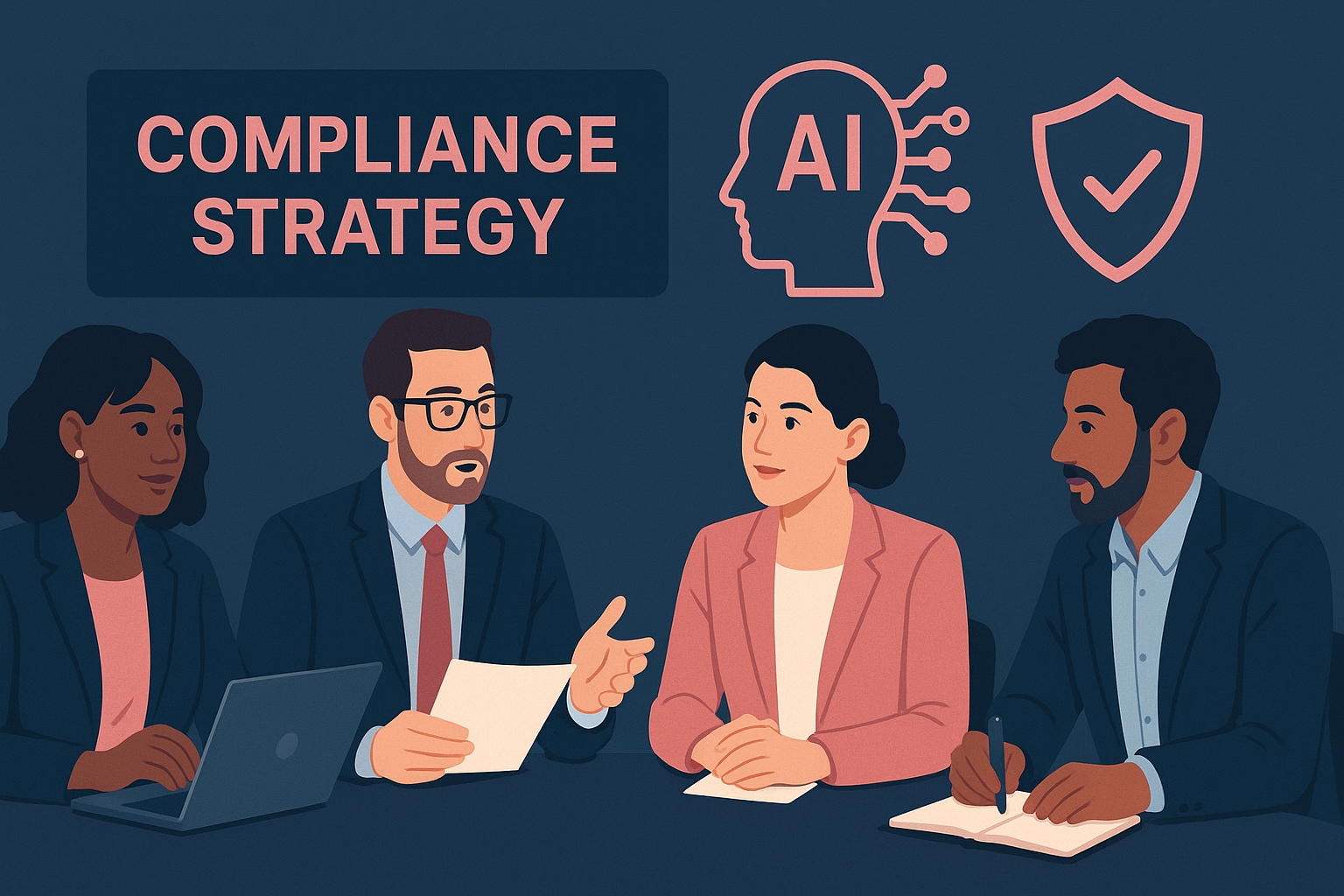
The Compliance Landscape is Changing
As of April 2026, a seismic shift is occurring within the governance, compliance, and risk industry, primarily driven by the rapid adoption of artificial intelligence technologies. The challenge isn’t merely integrating AI but rather rethinking the entire compliance framework to accommodate these advanced tools effectively. For operations leaders, this is not just a technical challenge; it’s a strategic imperative.
The Compliance Dilemma
Compliance leaders often grapple with a fundamental operational challenge: ensuring that AI systems are compliant with evolving regulations while also managing the inherent risks associated with their deployment. Organizations are increasingly realizing that traditional compliance frameworks are inadequate for the complexities introduced by AI. The regulatory landscape is adapting, but it is lagging behind the pace of AI innovation, creating a perfect storm for compliance failures.
Operational Implications
As operations leaders navigate this landscape, several key implications arise:
- Increased Regulatory Scrutiny: With more organizations deploying AI, regulators are ramping up their scrutiny. This means compliance teams must be proactive rather than reactive.
- Data Governance Overhaul: AI systems require vast amounts of data. The way organizations collect, manage, and store data must evolve to meet compliance requirements while ensuring data integrity.
- Audit Trails and Transparency: AI decision-making processes can often be opaque. Establishing clear audit trails is crucial for compliance, requiring new tools and methodologies.
- Training and Skill Development: Teams must be equipped with the right skills to understand both AI technology and regulatory requirements, demanding significant investment in training.
Shifting Mindsets: From Compliance to Responsible AI
To truly embrace AI, governance and compliance leaders must shift their mindsets from a narrow focus on compliance to a broader commitment to responsible AI use. This requires:
- Proactive Risk Assessment: Rather than checking boxes, organizations must engage in continuous risk assessments of their AI systems, identifying potential compliance issues before they arise.
- Collaboration Across Departments: Compliance should not be siloed. Cross-department collaboration between legal, IT, and business operations is essential to create a unified approach to AI governance.
- Engagement with Regulators: Organizations should actively engage with regulators to shape the future of AI compliance, sharing insights and best practices.
Conclusion: The Path Forward
The integration of AI into governance, compliance, and risk management is not just a trend; it’s a necessity for modern organizations. For operations leaders, the opportunity lies in rethinking risk management strategies to ensure compliance and promote responsible AI deployment. As we march forward, those who adapt will not only survive but thrive in an increasingly complex regulatory environment.
At Q52, we specialize in helping organizations navigate these challenges, offering tailored consulting services to optimize your AI adoption strategies. Connect with us on LinkedIn to learn more about how we can assist you in achieving compliance in the age of AI.