
The Compliance Conundrum
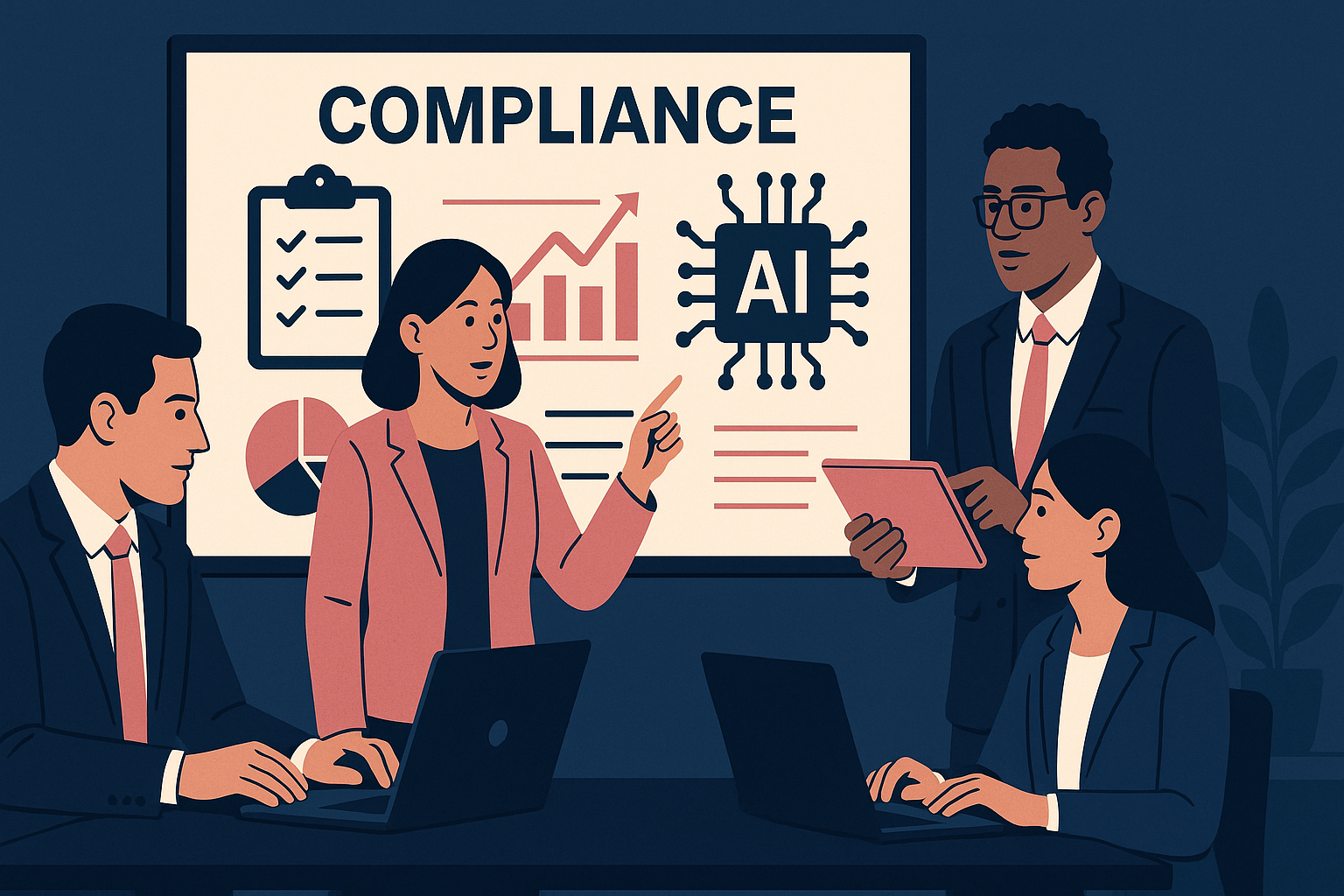
In an era where regulatory landscapes shift as fast as market dynamics, governance, risk, and compliance (GRC) leaders face escalating challenges. The stakes are unimaginably high: failing to comply with regulations can lead to severe financial penalties, reputational damage, and operational disruptions. Enter AI—its rapid adoption is not just a trend but a necessity for organizations aiming to stay ahead of compliance demands.
The AI Revolution in Compliance
Recent data indicates that organizations leveraging AI for compliance management have reported a 30% reduction in regulatory breaches. This isn’t just anecdotal; it’s a trend supported by empirical evidence. AI tools are evolving from simplistic rule-based systems to sophisticated technologies that can analyze vast datasets, predict compliance risks, and automate reporting processes.
However, the operational implications of this shift are profound and multifaceted:
- Enhanced Risk Prediction: AI algorithms can assess historical data to identify potential compliance risks before they manifest, enabling proactive measures.
- Automation of Monitoring: Routine compliance checks can be automated, drastically reducing the manpower needed for oversight and freeing up resources for strategic initiatives.
- Data Sovereignty and Privacy: AI tools must be designed to operate within the confines of local and international privacy laws, which adds a layer of complexity to their implementation.
- Resistance to Change: Employees accustomed to traditional compliance methods may resist AI adoption, necessitating a careful change management strategy.
The Case for AI Implementation
While the benefits are clear, the operational challenges cannot be overlooked. Organizations need to ensure that AI tools are not only compliant themselves but also enhance existing frameworks without adding further complexity. This is where a strategic approach becomes vital:
- Conduct a Needs Assessment: Determine which aspects of compliance are most resource-intensive and where AI can add the most value.
- Engage Stakeholders: Involve compliance teams early in the AI adoption process to mitigate resistance and ensure alignment with regulatory requirements.
- Invest in Training: Equip teams with the skills to interpret AI-generated insights effectively, ensuring that technology complements human oversight rather than replaces it.
Conclusion
The risk landscape is complex and ever-evolving; AI is not a silver bullet but a powerful tool that can enhance compliance capabilities if implemented thoughtfully. Organizations that embrace AI in their governance strategies will emerge more resilient, agile, and prepared for the future of compliance management. As we move deeper into 2026, the question isn’t whether to adopt AI, but how to do so effectively to truly transform compliance operations.
For organizations navigating this challenging landscape, Q52 offers tailored consulting services to help you integrate AI into your compliance processes seamlessly, enhancing your governance frameworks while mitigating risk. Connect with us on LinkedIn to learn more about our solutions.