Your daily briefing on AI adoption, tools, and operational reality — curated by q52.ai.
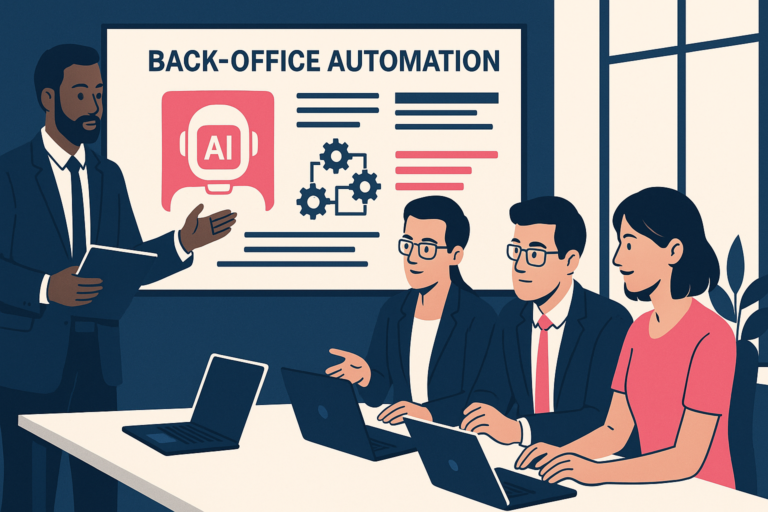
AI Automation: A Double-Edged Sword in Back Offices
What Is Happening: Back-office operations are increasingly adopting AI to automate tasks like data entry and customer support, aiming for greater efficiency. However, this trend has also led to heightened cybersecurity risks that organizations must address alongside their automation efforts.
Why It Matters: As companies embrace AI, they inadvertently expand their vulnerability to cyberattacks, necessitating a reevaluation of security protocols and resource allocation. This dual focus on automation and security can strain budgets and complicate existing workflows.
Q52’s Takeaway: Assess your current automation initiatives and ensure robust cybersecurity measures are in place. Consider engaging your IT team to identify potential vulnerabilities in automated systems.
Read the full article on q52.ai

Unlocking Real-Time Visibility in AI-Driven Supply Chains
What Is Happening: The logistics sector is increasingly recognizing the need for real-time visibility as AI technologies reshape supply chains. This visibility is essential for tracking inventory and optimizing logistics operations.
Why It Matters: Companies that fail to implement real-time visibility risk inefficiencies and increased costs due to poor inventory management and delayed decision-making. This could erode competitive positioning in a rapidly evolving market.
Q52’s Takeaway: Evaluate your current supply chain visibility solutions and identify areas where real-time insights can be integrated. Consider conducting a gap analysis to enhance operational efficiency.

Smart Automation: Compliance Challenges in Financial Services
What Is Happening: Financial services are leveraging smart automation to address compliance issues, but the complexities of regulatory requirements pose significant challenges. Companies are exploring AI-driven solutions to streamline compliance processes.
Why It Matters: Non-compliance can lead to hefty fines and operational disruptions, making it critical for organizations to adopt effective automation strategies. The right tools can enhance efficiency while ensuring adherence to regulations.
Q52’s Takeaway: Review your compliance workflows and determine how smart automation can be integrated to mitigate risks. Engage your compliance team to identify specific pain points that AI could address.

Boosting AI Operations with vLLM: A Game Changer
What Is Happening: vLLM is an open-source, high-throughput serving engine for large language models, designed for efficient production deployments. It promises enhanced performance and scalability for businesses utilizing AI.
Why It Matters: Organizations can achieve significant cost savings and operational efficiency by adopting vLLM, especially if they require the simultaneous deployment of multiple AI models. This capability can enhance real-time data processing and insights.
Q52’s Takeaway: Consider piloting vLLM in your AI deployments to assess its impact on performance and cost. Evaluate your current infrastructure to see if it can support this advanced serving engine.
Read the full spotlight on q52.ai

The Illusion of Control in AI Governance
What Is Happening: Despite the proliferation of governance frameworks, real control over AI usage remains elusive. Shadow AI practices lead to unregulated tool usage, undermining compliance efforts.
Why It Matters: Without proper oversight and accountability, companies risk exposing themselves to significant operational and security vulnerabilities. This gap in governance can lead to unchecked risks and compliance failures.
Q52’s Takeaway: Reassess your governance frameworks to ensure they include effective oversight mechanisms. Engage your IT and compliance teams to discuss improving accountability for AI usage in your organization.

From Demos to Reality: The AI Integration Gap
What Is Happening: Many organizations are still reliant on manual processes despite the proliferation of AI demos showcasing automation capabilities. The gap between proof-of-concept and actual production remains vast.
Why It Matters: Relying on outdated processes can hinder operational efficiency and innovation, leading to wasted resources and missed opportunities. Addressing back-end processes is essential for successful AI integration.
Q52’s Takeaway: Conduct an audit of your current workflows to identify areas where AI can be effectively integrated. Focus on improving data quality and operational discipline to maximize AI benefits.

The Back Office: Where AI Promises Fall Short
What Is Happening: Despite the hype surrounding AI capabilities, many organizations continue to struggle with back-office chaos marked by manual entries and integration issues. The disconnect between AI promises and operational reality is stark.
Why It Matters: Organizations that overlook the foundational issues in their back offices risk failing to realize the full potential of AI. This can lead to inefficiencies and operational breakdowns that undermine business objectives.
Q52’s Takeaway: Engage your operations team to delve into the underlying challenges that hinder AI implementation. Prioritize fixing foundational processes before pursuing new AI initiatives.

Meta’s Clickbait AI: A New Era of Content?
What Is Happening: Meta has rolled out a feature that generates AI-driven clickbait articles for user feeds, aiming to boost engagement through sensationalized content. This strategy raises questions about content quality versus quantity.
Why It Matters: For small businesses, the saturation of clickbait content could make it more difficult to stand out and attract genuine audience engagement. Companies may need to refine their content strategies to maintain authenticity.
Q52’s Takeaway: Audit your content strategy to ensure it prioritizes quality and authenticity over clickbait trends. Consider how you can differentiate your brand through valuable content.

Apple’s New Siri: Transforming Voice Interactions
What Is Happening: Apple has unveiled an updated Siri that integrates advanced AI capabilities for improved conversational abilities and context understanding, enhancing user experience.
Why It Matters: Businesses relying on voice commands for tasks like scheduling and customer inquiries may benefit from increased efficiency and reduced manual input with the new Siri features. The impact will depend on their current technology integration.
Q52’s Takeaway: Assess how your team currently utilizes Siri and explore the potential for enhanced capabilities to streamline operations. Consider testing the new features for practical applications in your workflow.
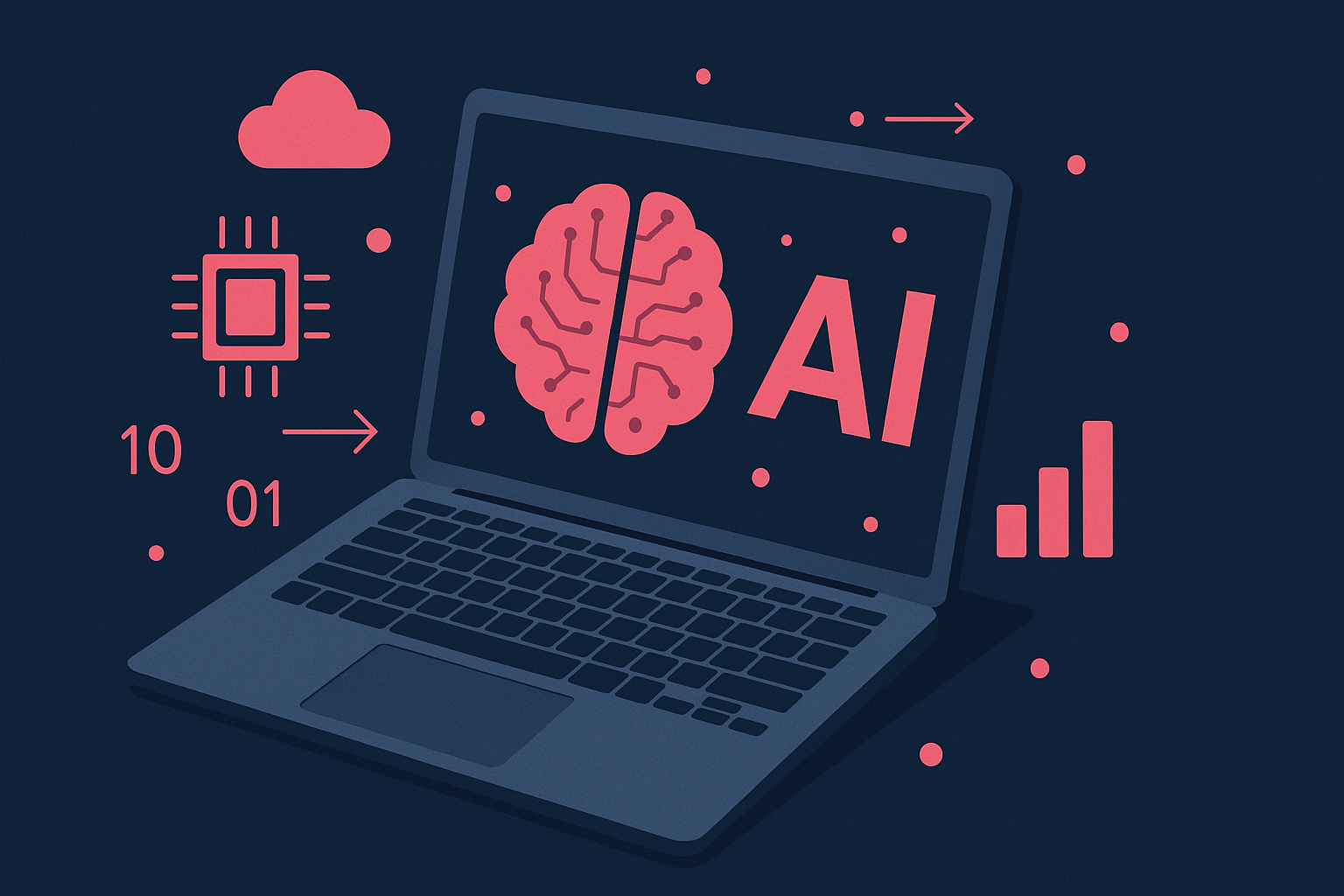
AI-Enhanced Laptops: A Productivity Revolution?
What Is Happening: New AI-integrated laptops are hitting the market, promising to enhance computing performance through features like real-time processing and predictive analytics.
Why It Matters: For small to mid-sized businesses, these advancements could significantly streamline workflows, particularly for data-heavy tasks. However, the cost of upgrading must be carefully weighed against potential ROI.
Q52’s Takeaway: Evaluate your technology needs and determine if investing in AI-enhanced laptops aligns with your operational goals. Consider piloting these devices to measure productivity gains before committing to a larger rollout.

Smart TVs Vulnerable to Web Scraping Attacks
What Is Happening: Recent reports reveal that smart TVs are being exploited for web scraping through free applications, raising concerns about user privacy and data security.
Why It Matters: Organizations using smart TVs for business purposes should be aware of potential data breaches that could compromise sensitive information. This vulnerability necessitates a review of device security policies.
Q52’s Takeaway: Conduct a security audit of any smart devices in your organization. Ensure that appropriate measures are in place to protect against vulnerabilities associated with unregulated applications.

Addressing Critical Vulnerabilities in SolarWinds and FFmpeg
What Is Happening: A security firm has identified 21 zero-day vulnerabilities in FFmpeg, while Google patched 429 vulnerabilities in Chrome, highlighting the urgent need for immediate action to secure systems.
Why It Matters: Organizations using FFmpeg must prioritize patching to mitigate risks associated with these vulnerabilities, as they can have widespread implications. The rapid discovery of vulnerabilities signals a need for agile patch management strategies.
Q52’s Takeaway: Immediately update your FFmpeg installations and ensure your Chrome browser is patched to the latest version. Review your patch management processes to enhance responsiveness to emerging vulnerabilities.
Daily Prompt
What’s one AI tool you think could revolutionize an everyday task for most people?
Try it in ChatGPT, Claude, or your favorite AI assistant. Want more? Browse the q52 Prompt Library for ready-to-use prompts built for real business outcomes.
That’s the digest for June 07, 2026.
Want this in your inbox? Subscribe to the q52 Newsletter to get the daily digest delivered automatically.
Questions? Reach out at info@q52.ai or connect on LinkedIn.