Your daily briefing on AI adoption, tools, and operational reality — curated by q52.ai.

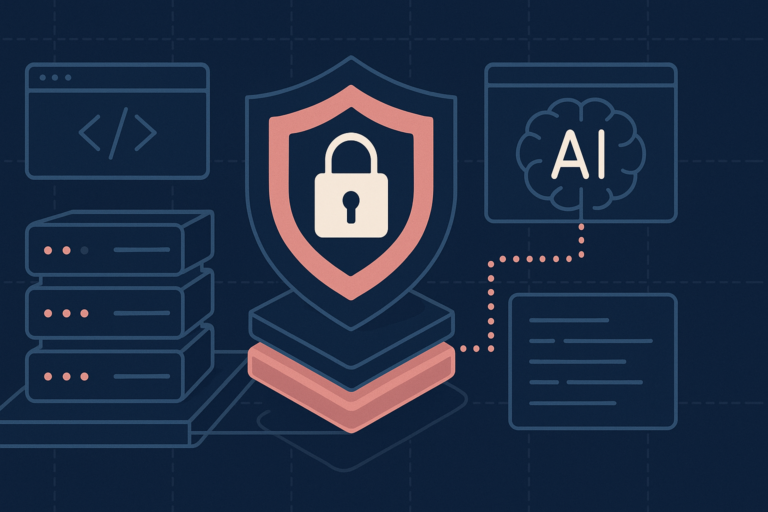
Shift to AI-Driven Cybersecurity: Proactive Threat Hunting is Essential
What Is Happening: Organizations are facing increasingly sophisticated cyber threats, necessitating a shift from reactive to proactive cybersecurity approaches. In 2026, leveraging AI for proactive threat hunting is becoming critical to enhance security and operational efficiency.
Why It Matters: The average time to identify a data breach is 287 days, resulting in significant financial and reputational damage. Embracing AI can help detect threats early and automate responses, reducing the overall risk and improving the security posture of organizations.
Q52’s Takeaway: Evaluate your current cybersecurity strategy and consider integrating AI-driven threat hunting solutions to enhance your defense mechanisms. Engage your security team in discussions about potential AI implementations.
Read the full article on q52.ai
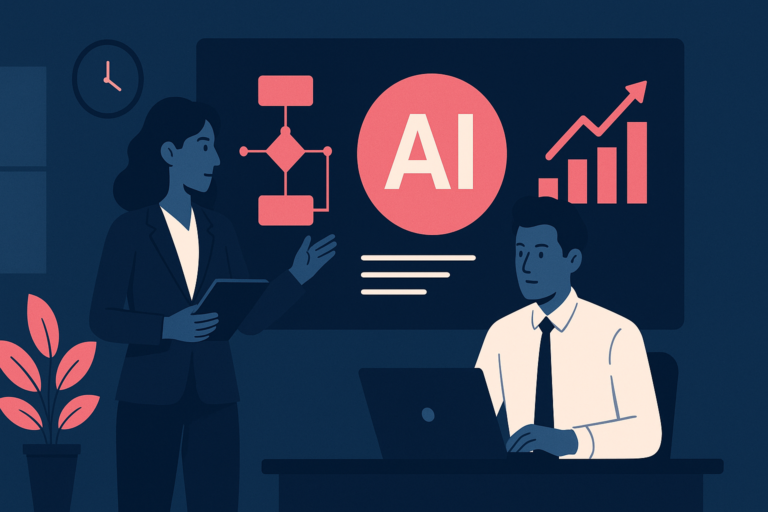
Anthropic Claude: The Next Level of AI Safety and Efficiency
What Is Happening: Anthropic’s Claude is redefining AI integration with its advanced context understanding and safety-first design, making it a valuable tool for operations leaders. This AI solution enhances decision-making and productivity through its unique capabilities.
Why It Matters: With the ability to maintain extended conversations and minimize harmful outputs, Claude can significantly improve communication and operational workflows. Its customization options allow businesses to tailor the AI’s behavior to fit their specific needs, reducing risks in compliance-heavy environments.
Q52’s Takeaway: Assess how AI tools like Claude can streamline your operations and enhance team communication. Explore the customization options available to align AI behavior with your organizational goals.
Read the full spotlight on q52.ai

Are We Really ‘AI-Enabled’? The Operational Reality Check
What Is Happening: The proliferation of ‘AI-enabled’ job titles has not translated into genuine operational expertise, raising concerns about the effectiveness of training programs. Many organizations rely on superficial upskilling without addressing the real tasks that drive value.
Why It Matters: Simply adopting new titles or offering short courses does not equip teams with the necessary skills to implement AI effectively in workflows. Organizations risk falling behind if they do not focus on developing deep operational capabilities alongside new technologies.
Q52’s Takeaway: Challenge your team to identify practical AI applications within your workflows. Shift focus from titles to actionable skills that can drive real operational improvements.

Who Regulates AI? Navigating the Landscape of Risk Management
What Is Happening: The debate over AI regulation is intensifying, particularly regarding who decides when AI technologies pose too much risk. The conversation includes insights from companies like Anthropic on the need for clearer governance frameworks.
Why It Matters: Small to mid-sized businesses (SMBs) must proactively manage AI risks as these tools become integral to operations. A lack of regulation could create competitive disadvantages for smaller firms if larger companies exploit AI without oversight.
Q52’s Takeaway: Develop internal guidelines for AI usage that prioritize ethical considerations and risk management. Engage your team in identifying potential risks associated with current AI applications.
New Malware Tactics: Countering AI Analysis Techniques
What Is Happening: Malware developers are using innovative methods to evade AI detection by embedding misleading content in their code. This tactic targets automated analysis systems, complicating the detection of actual threats.
Why It Matters: Engineering teams must recognize that reliance on AI for malware detection can create significant blind spots. Understanding these tactics is crucial for maintaining robust security measures and ensuring effective threat analysis.
Q52’s Takeaway: Review your malware detection strategies to ensure they incorporate traditional methods alongside AI tools. Train your team to recognize and counteract these evolving tactics in malware development.
Daily Prompt
If AI had a personality, what would its favorite hobby be?
Try it in ChatGPT, Claude, or your favorite AI assistant. Want more? Browse the q52 Prompt Library for ready-to-use prompts built for real business outcomes.
That’s the digest for June 19, 2026.
Want this in your inbox? Subscribe to the q52 Newsletter to get the daily digest delivered automatically.
Questions? Reach out at info@q52.ai or connect on LinkedIn.