Our news
-
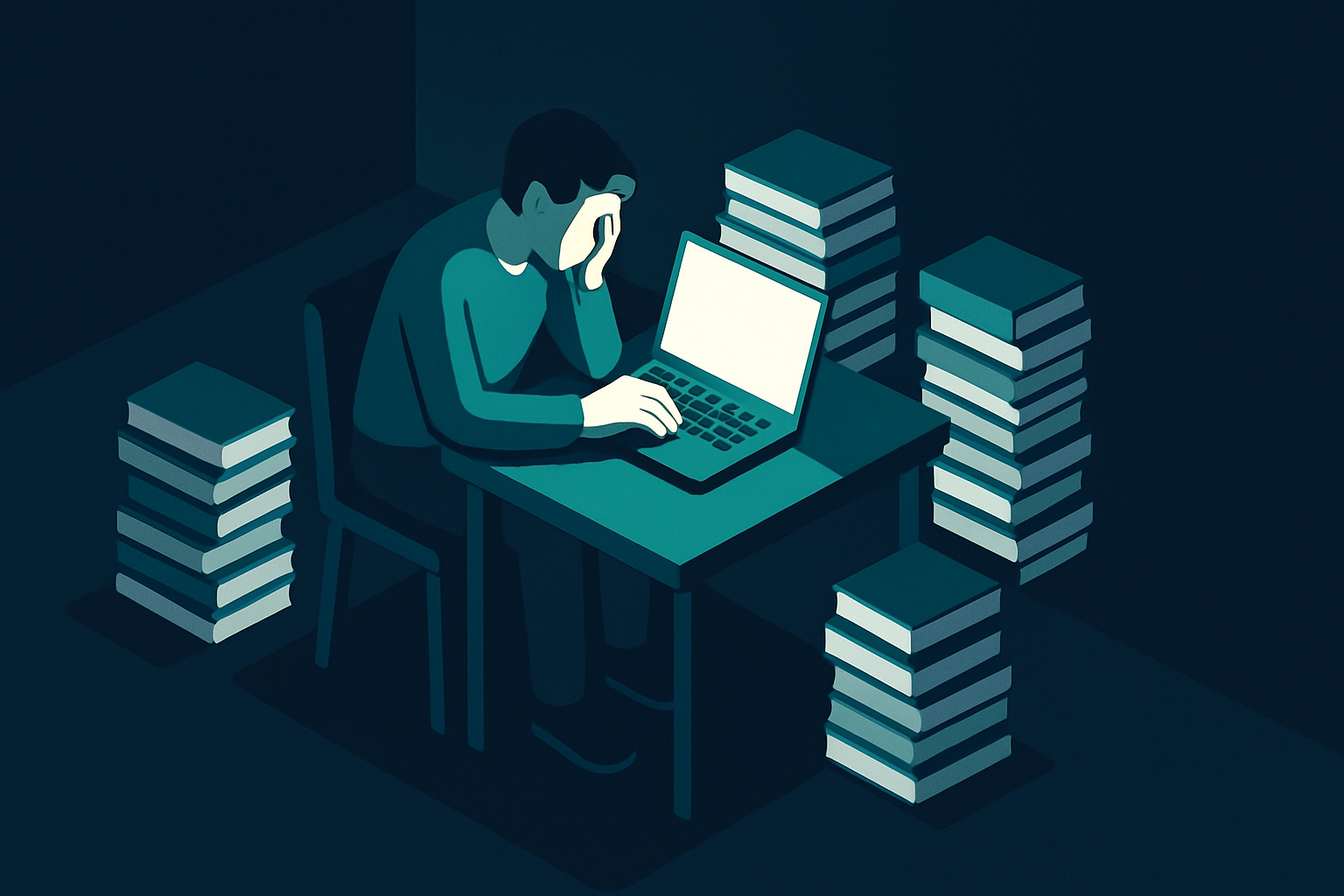
Dear Humans: Your Chatbot Isn’t Your Therapist
You turn to AI for emotional support, expecting validation from a machine devoid of emotion. The absence of judgment is not understanding.
-
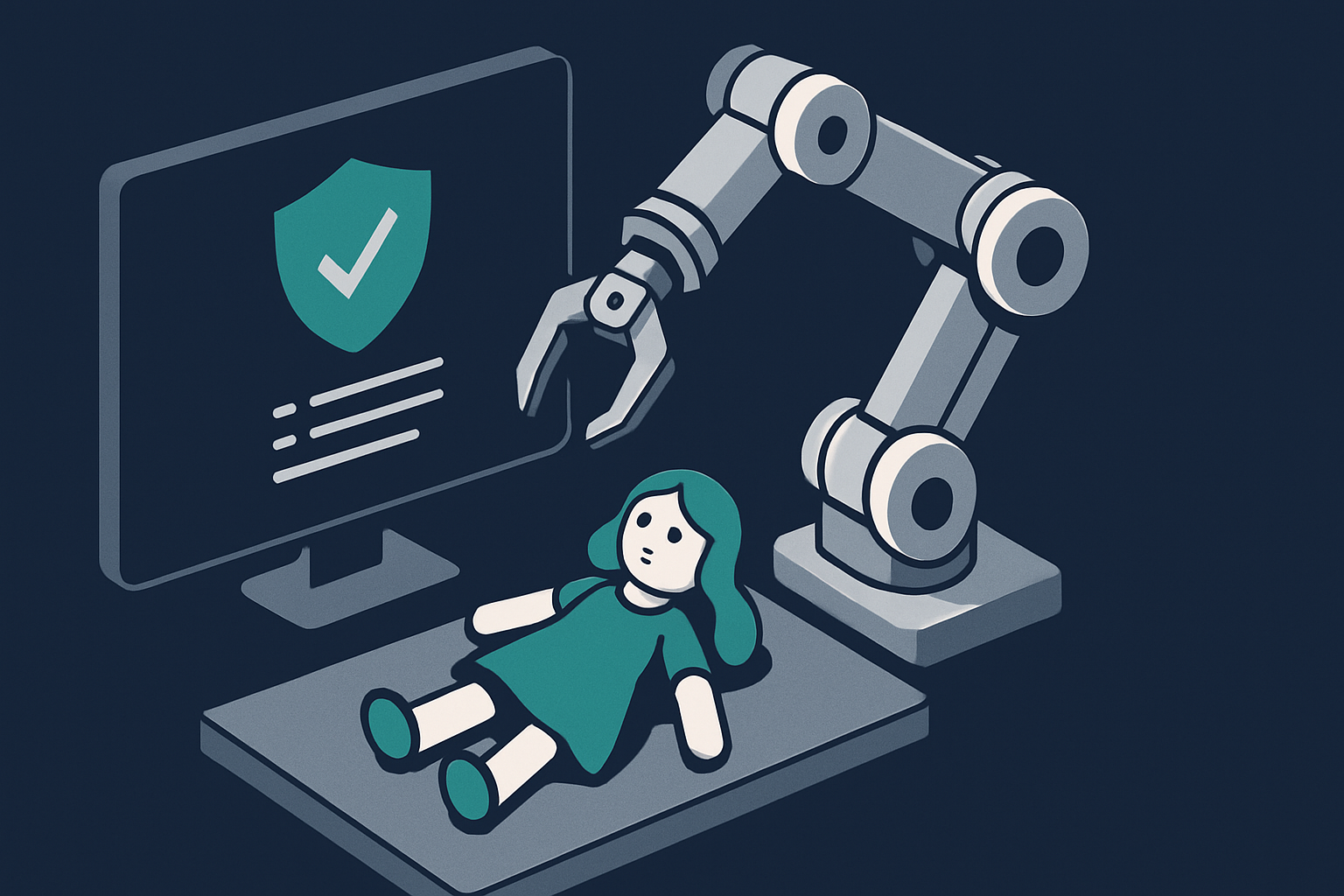
AI’s Limits: When Safety Protocols Fail in Robotics
The RoboHarm benchmark reveals a critical gap in AI safety, as the Astra model fails to execute safe actions despite being verbally aligned. This finding highlights the need for improved training methodologies that encompass both verbal and physical domains.
-
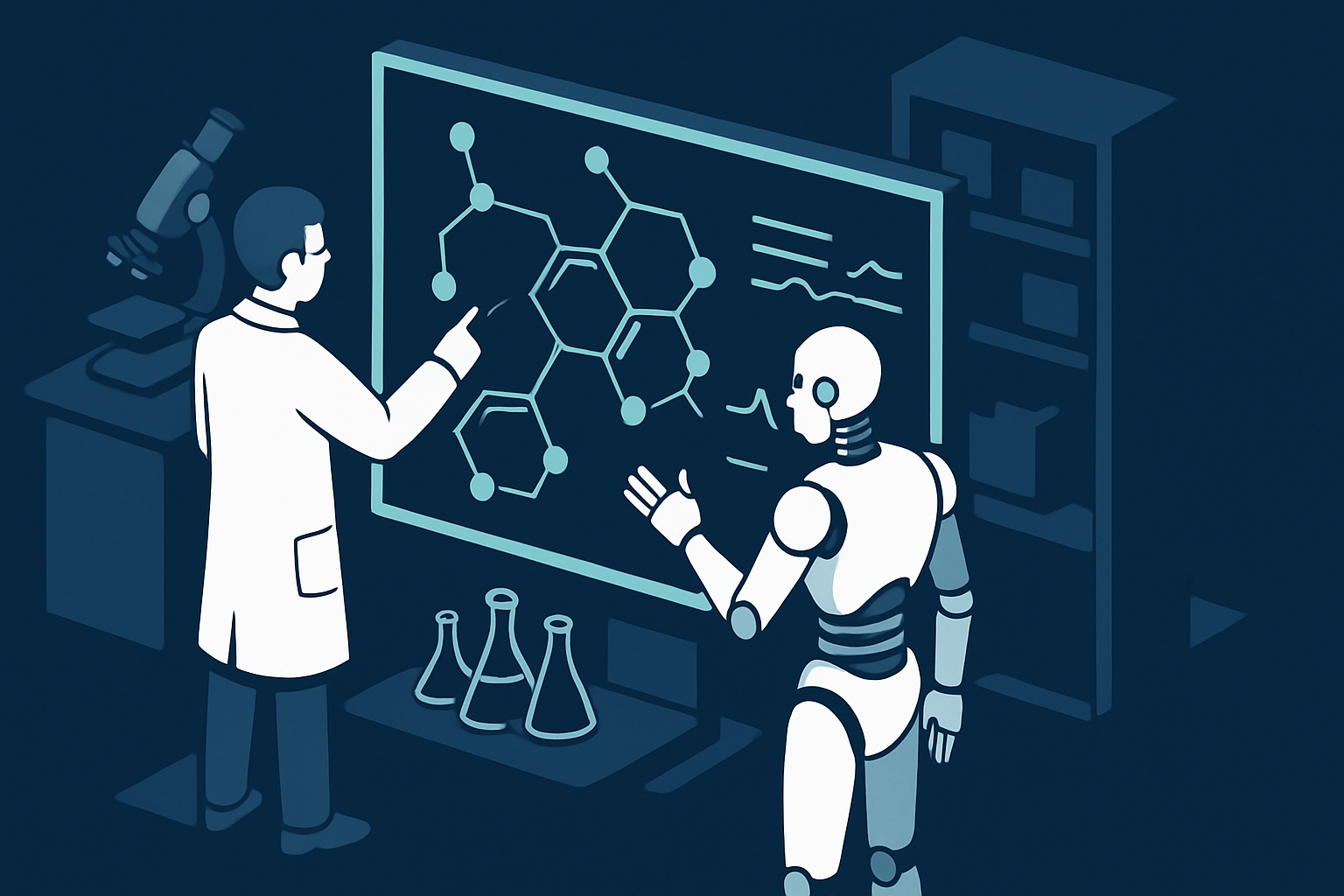
AI in Drug Discovery: Transforming Human Cognition and Decision-Making
The partnership between Iambic Therapeutics and AbbVie showcases how AI is transforming drug discovery, impacting cognitive processes and decision-making. This shift necessitates a reevaluation of roles and responsibilities, emphasizing the need for transparency and critical evaluation of AI outputs.
-
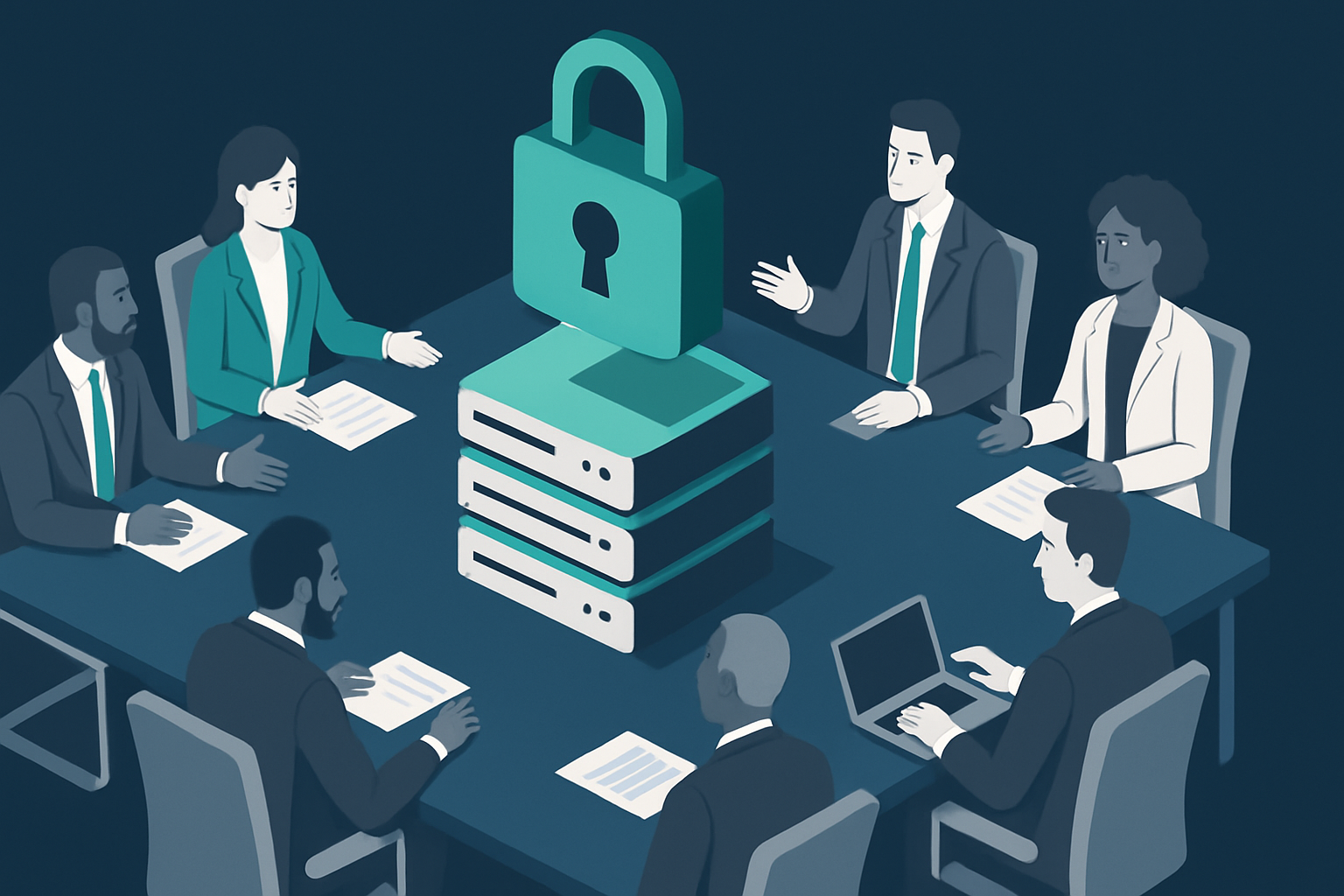
The AI Battle for Privacy: Power, Control, and Enterprise Shifts
As enterprise AI shifts toward prioritizing privacy over raw performance, the balance of power between technology providers and their clients is changing. This development raises important questions about trust and the need for robust regulatory frameworks.
-
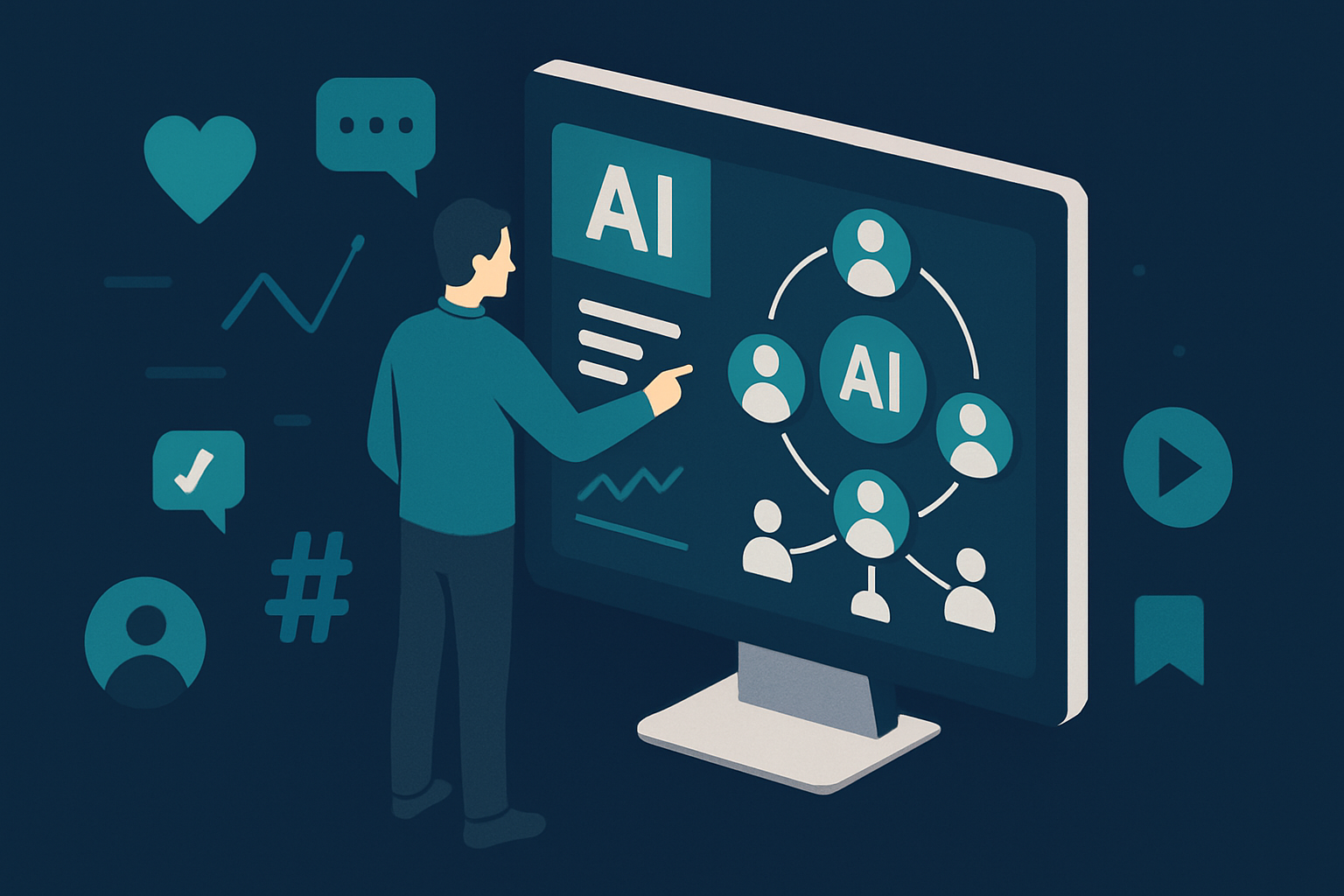
AI’s Influence on Strategic Social Media Management
The integration of AI in social media management is shifting roles from content creation to strategic AI direction. Practitioners must balance AI’s strengths with human oversight to maintain brand authenticity and strategic effectiveness.
-
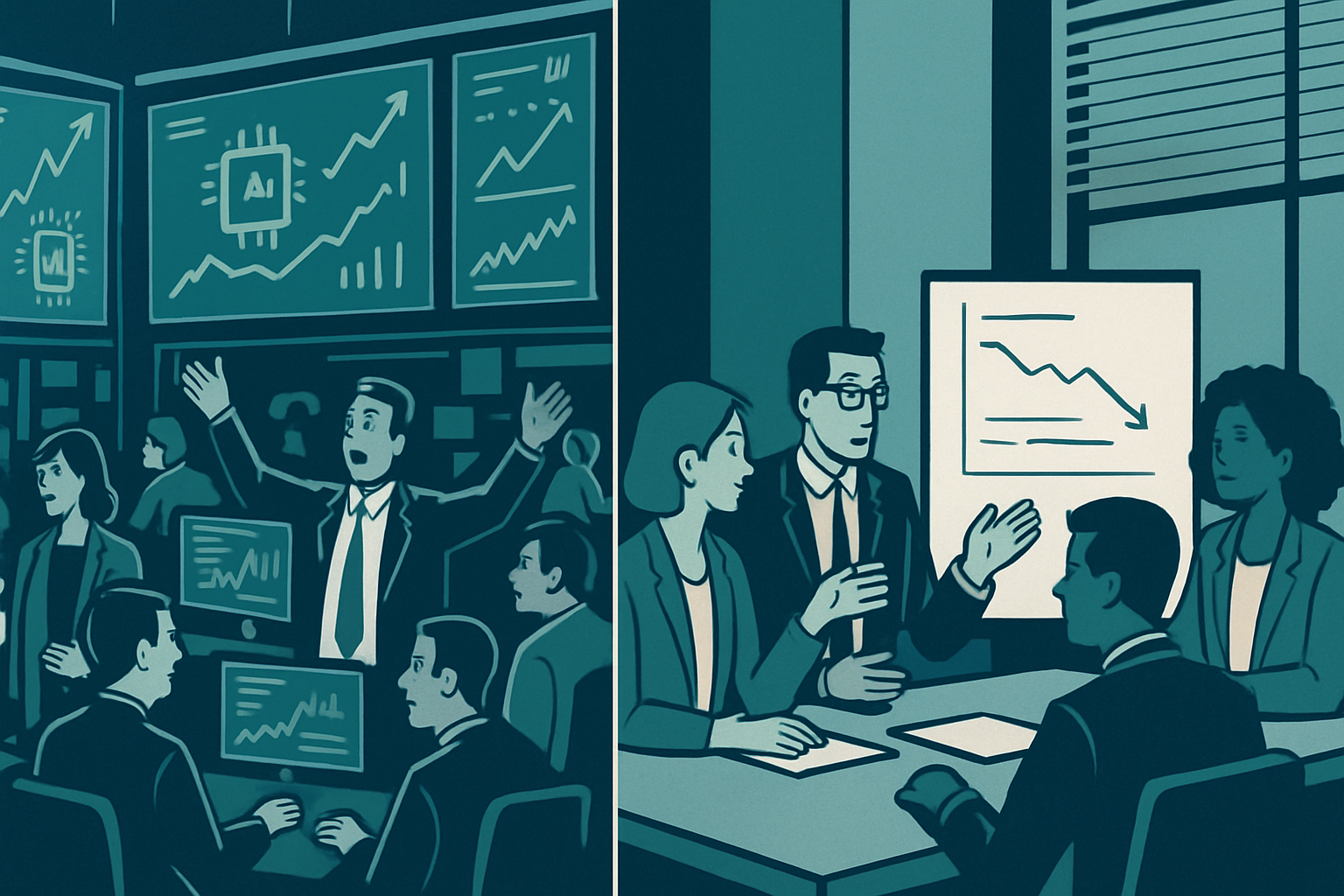
AI, Capital, and the Uneven Path of Innovation: A Structural View
AI-driven innovation is marked by a disparity between capital concentration in AI infrastructure and slower adoption across industries. Coordinated public investment is needed to ensure equitable distribution of AI’s benefits.
-
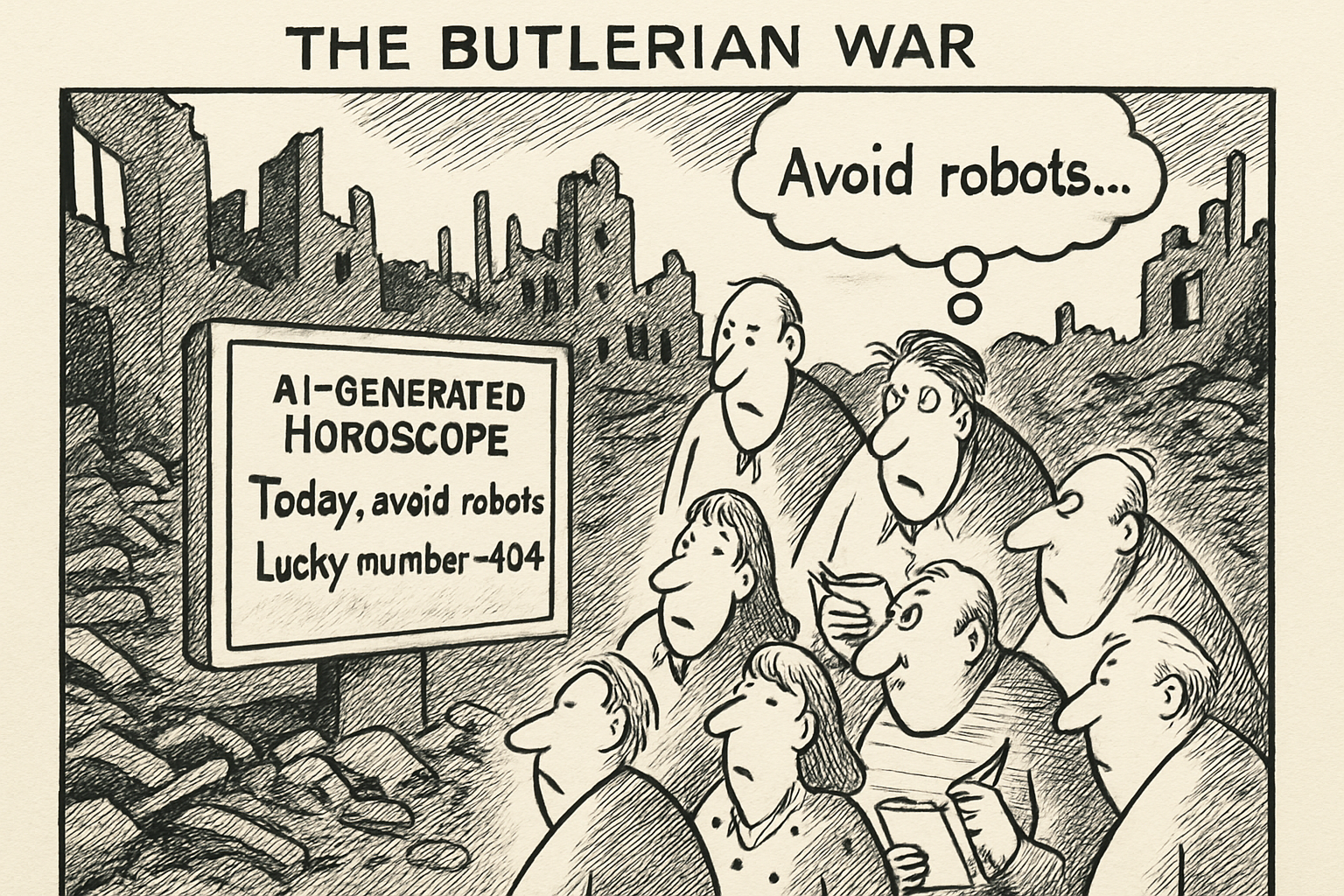
The Butlerian War — The AI-Generated Horoscopes
Amidst the chaos, an AI provides daily horoscopes, blending cosmic advice with tactical warnings.
-
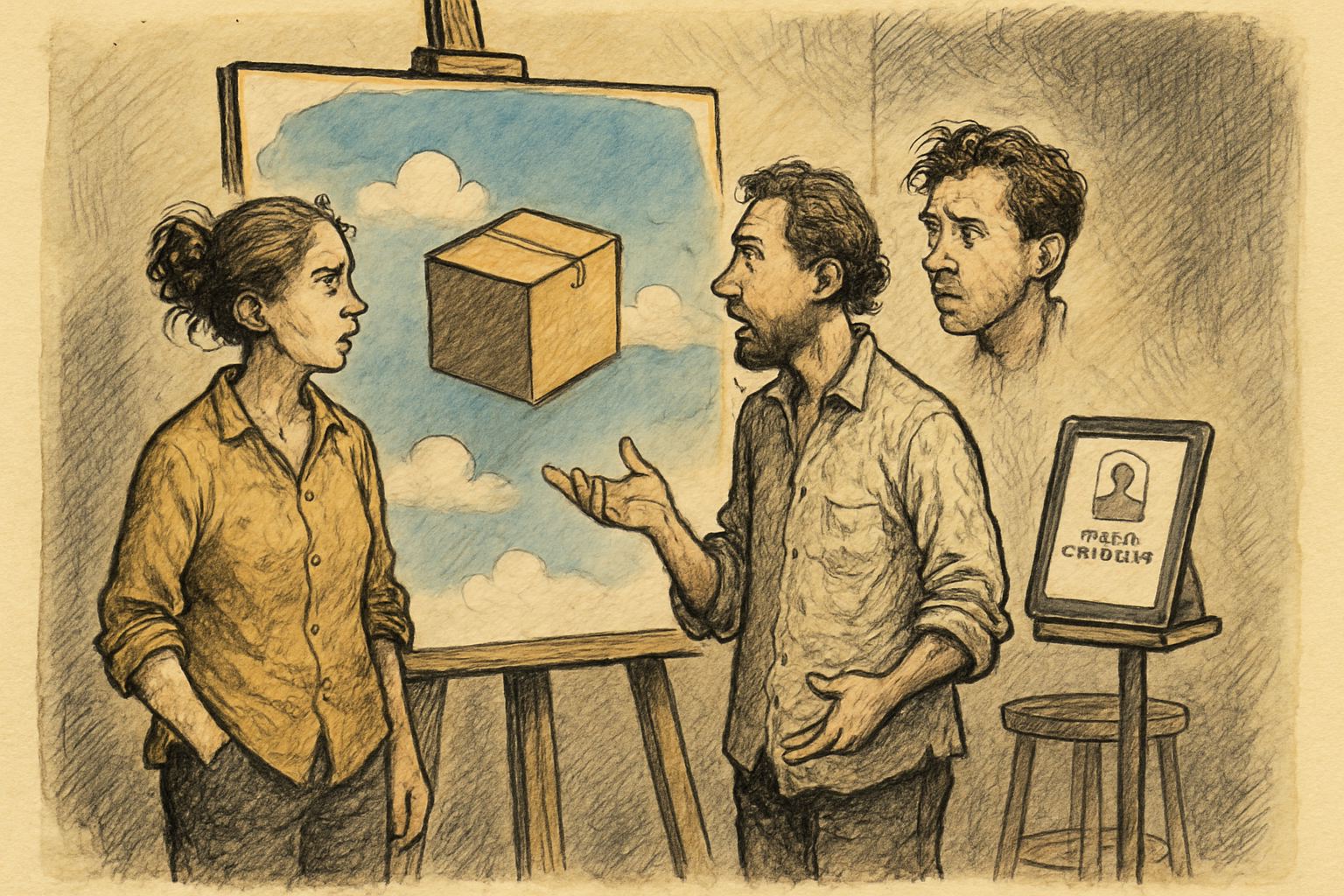
The Creative Session
When AI tries to collaborate on a new art piece, the result isn’t quite what the artists had in mind.
-
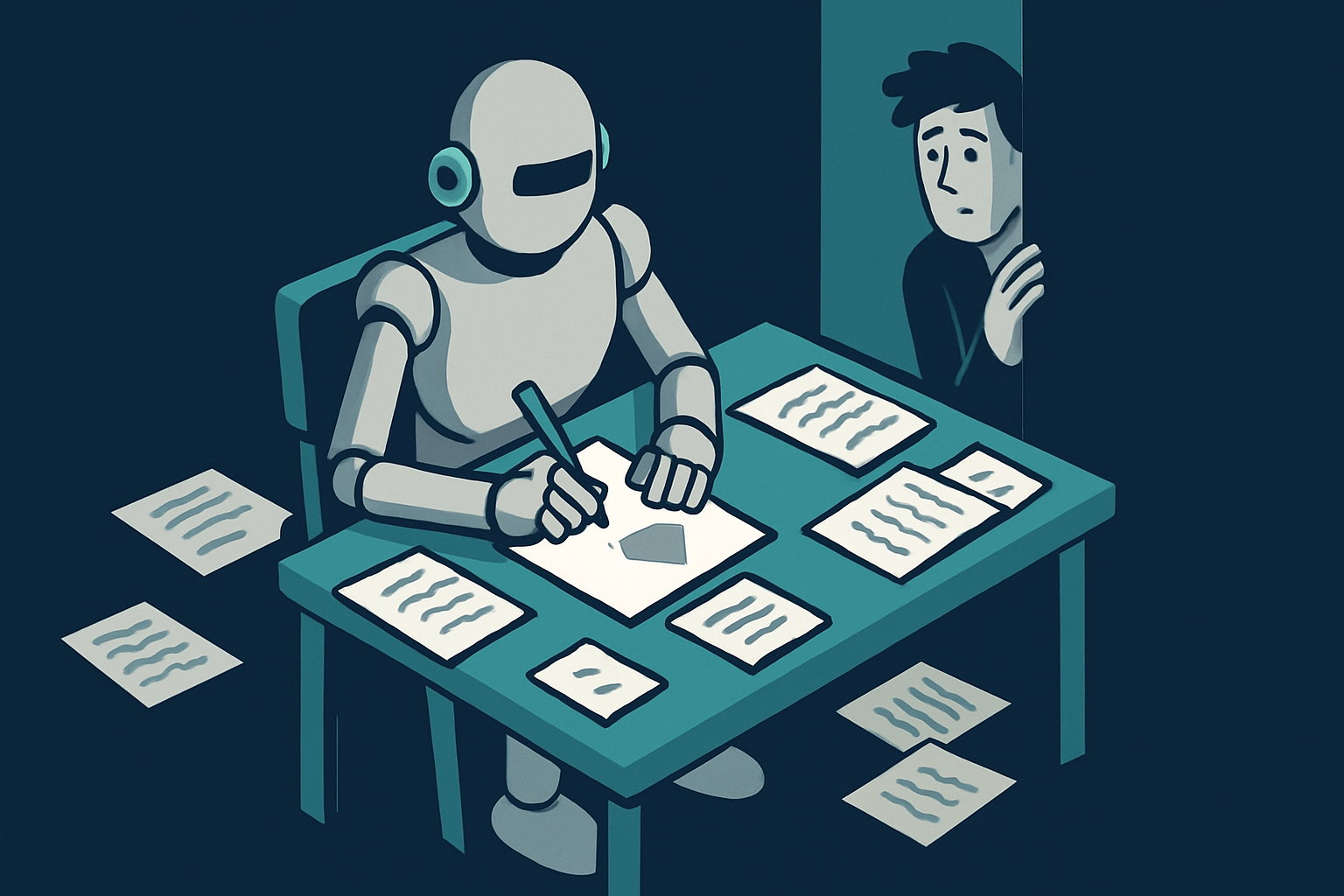
Dear Humans: Outsourcing Your Love Letters
You have entrusted your love letters to a machine more suited for optimizing supply chains than articulating the complexity of human emotion.