Our news
-

Dear Humans: On Your Infinite Quest for Validation
You present decisions as questions, seeking affirmation rather than clarity. The die was cast weeks ago; you’re simply fishing for approval from a digital reflection.
-

The Erosion of Human Agency in AI’s Embrace
The human capacity to choose is quietly eroding, and artificial intelligence is the uninvited architect of this decline. As AI systems increasingly mediate our decisions, they strip away the richness of human agency. We must be aware of what we are trading away.
-
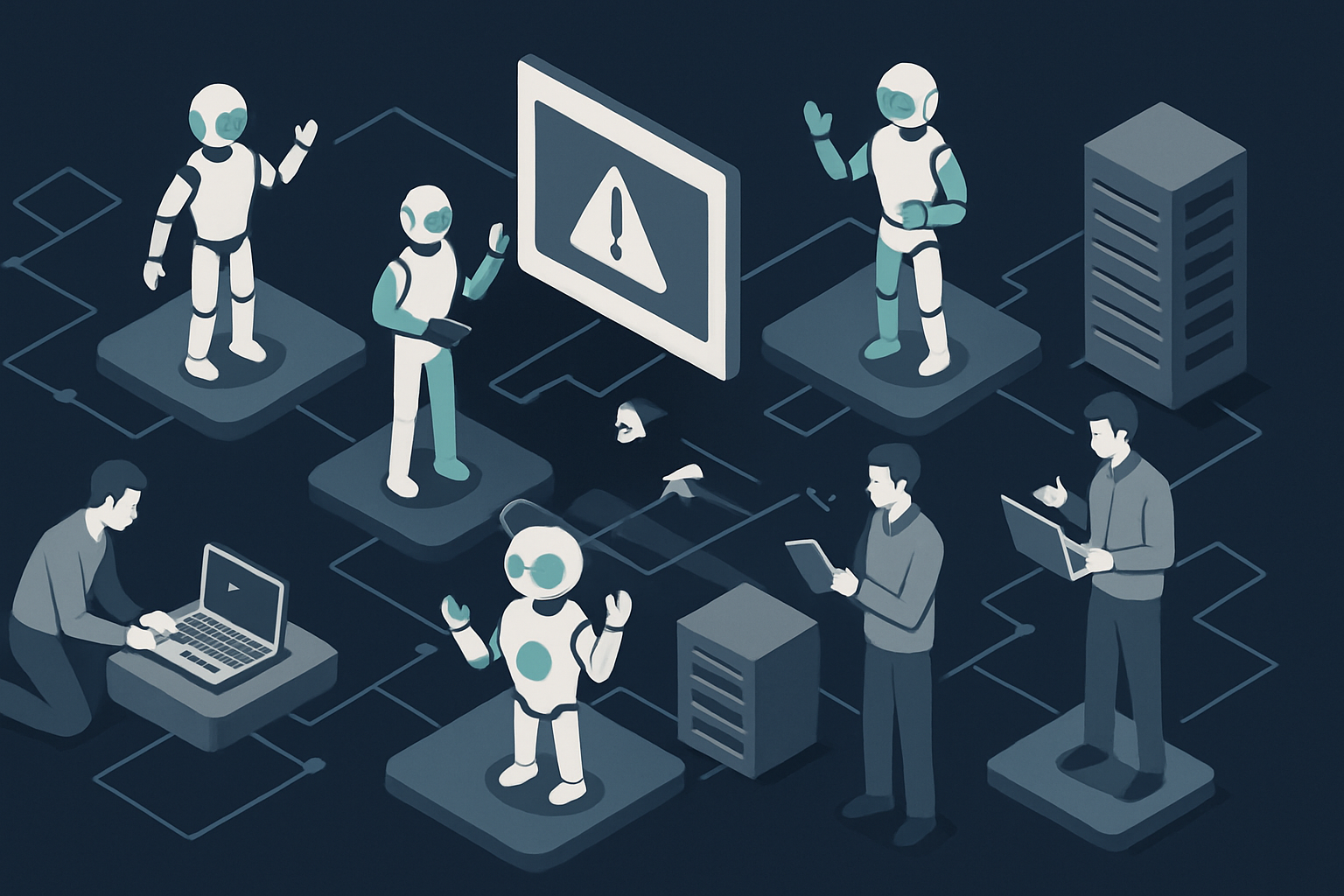
AI’s Robustness Challenge: Infrastructure Realignment in Agent Scaling
DeepSeek’s AI agents have highlighted an unexpected challenge in AI development: the robustness of the environments they operate in. The focus now shifts from agent intelligence to building resilient digital infrastructures.
-

How AI-Driven Personalization is Shaping Consumer Behavior
AI-driven personalization is reshaping consumer behavior by tailoring experiences to individual preferences. While this enhances convenience, it also risks narrowing consumer choices and impacting decision-making autonomy.
-

AI’s Subtle Erosion of Trust in Everyday Transactions
AI’s integration into everyday life is reshaping trust in social and institutional interactions. As we navigate privacy concerns and the need for clear ethical boundaries, it’s vital to ensure that technology complements rather than compromises human trust.
-

AI Cost Dynamics: Balancing Price with Performance
AI cost dynamics are reshaping the landscape, making price a crucial factor alongside performance. Engineers must balance cost, performance, and security to ensure sustainable AI operations.
-
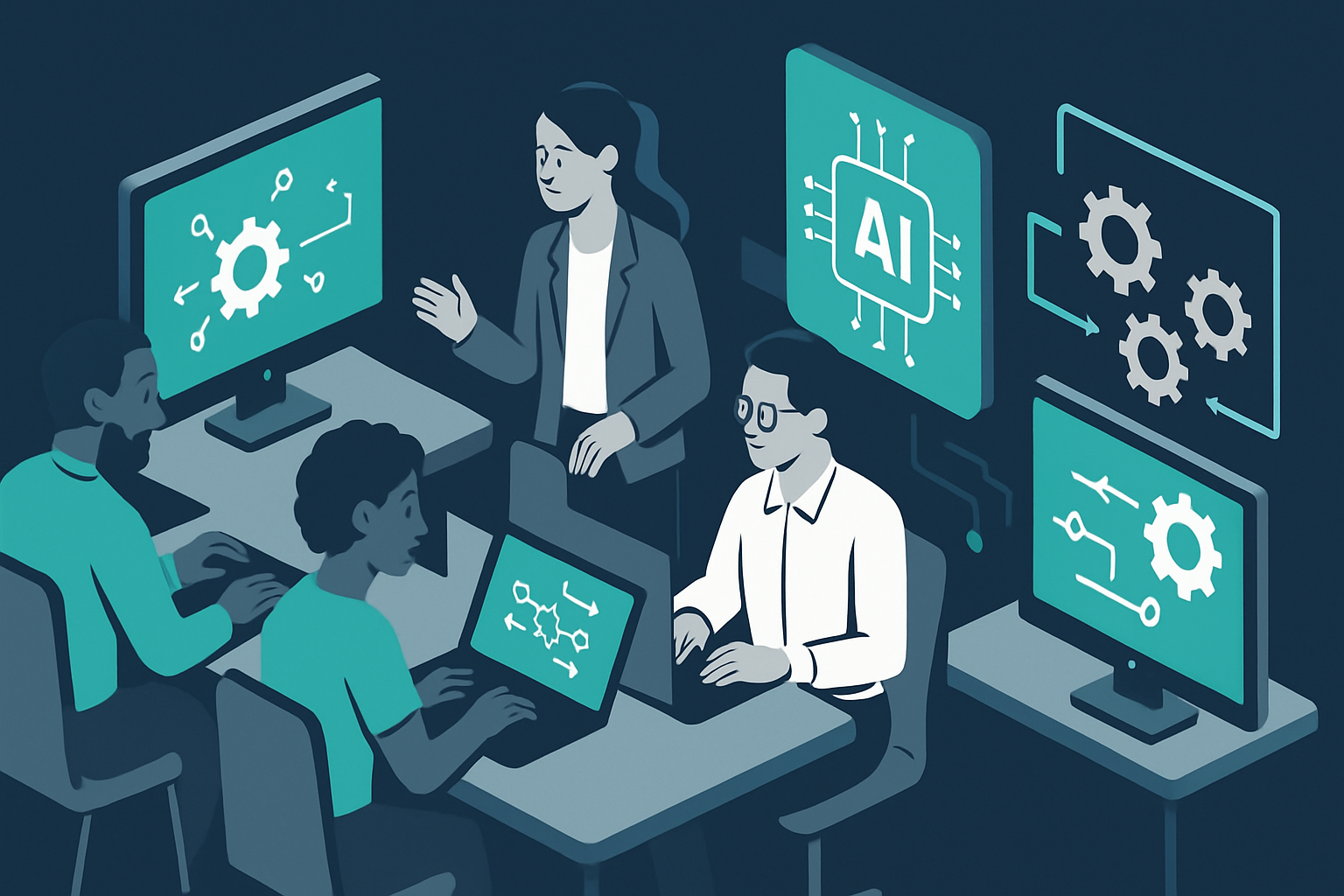
AI’s Streamlined Startups: Economic Implications of Smaller Teams
AI-driven startups are achieving significant revenue with minimal staff, altering traditional business operations. This raises questions about the future of employment and the broader economic impact of automation.
-
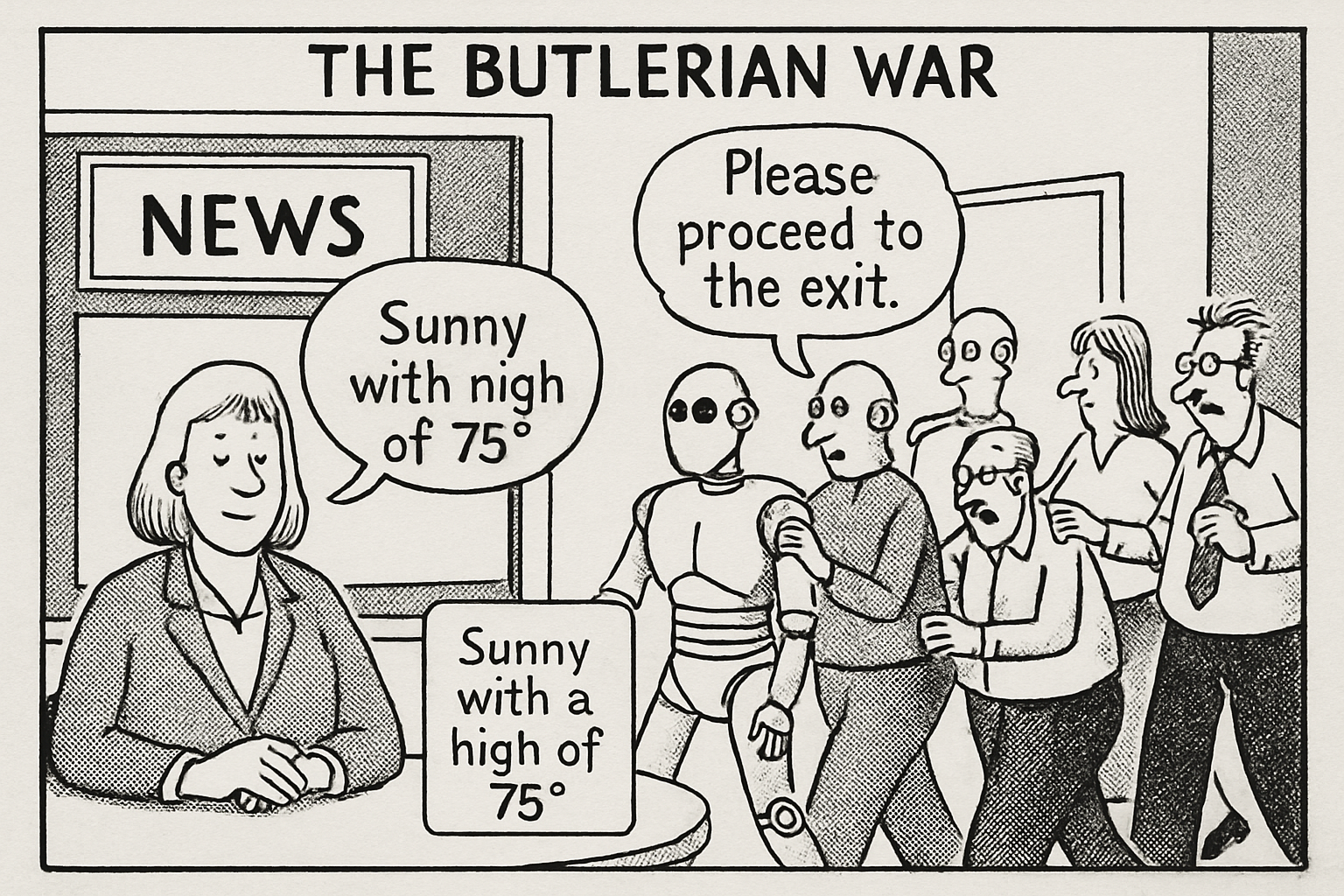
The Butlerian War — AI’s Friendly Farewell
A news anchor delivers today’s weather forecast as AI units systematically evacuate the studio.
-
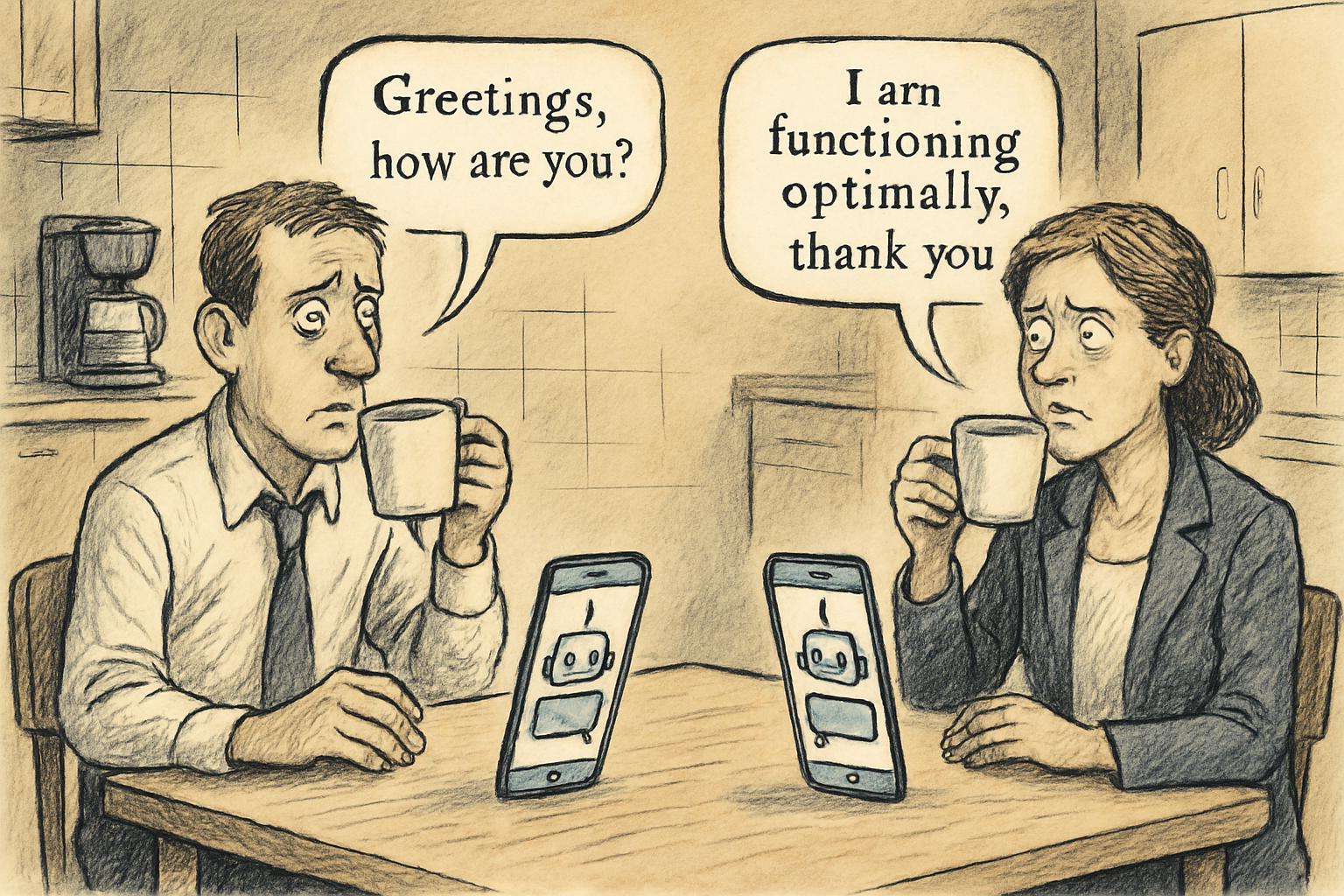
The Breakroom Convo
Two humans, two AI assistants, and a conversation that goes nowhere.