

Your daily briefing on AI, technology, economics, and society — from q52.ai.
Industry & Economics
AI’s Role in Streamlining Corporate Spending and Protecting Shareholder Value
What’s happening: Artificial intelligence is being utilized to reduce wasteful corporate spending and protect shareholder value. Freehand, an AI platform, recently raised $75 million and has already helped recover $260 million in overpaid invoices for companies like Meta and Unilever by automating invoicing processes and identifying discrepancies in real-time.
Why it matters: The implementation of AI in corporate governance addresses the challenge of agency costs, where managers may not prioritize shareholder interests. By enhancing financial oversight and efficiency, AI tools like Freehand can help companies maintain financial discipline, particularly in uncertain market conditions, thus ensuring sustainable growth and improved shareholder returns.
Our take: Embracing AI for financial oversight is a strategic move that aligns corporate governance with shareholder interests. While concerns about job displacement exist, the focus should remain on how these technologies can enhance accountability and transparency, ultimately benefiting both companies and their investors.
Tech & Engineering
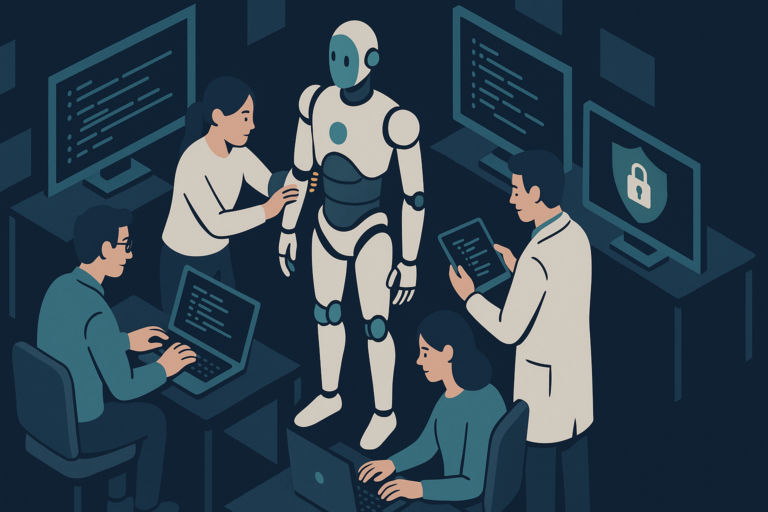
Why Robotics Needs a Trust Layer to Scale
What’s happening: The rise of AI-powered robotics, exemplified by Google DeepMind’s Gemini Robotics ER 2, brings advanced capabilities such as high-level reasoning and multi-robot collaboration. However, these advancements also increase the complexity of deployment, necessitating a robust API ecosystem for secure and scalable interactions, especially in light of recent U.S. bans on foreign-made robots due to national security concerns.
Why it matters: As robots become more autonomous, their potential cybersecurity vulnerabilities grow, making it critical for developers to implement strong security measures such as encryption, real-time monitoring, and regulatory compliance. Establishing a trust layer in robotics systems is essential not only for performance but also for public acceptance, particularly as these technologies integrate into crucial infrastructure.
Our take: The focus on building a trust layer should not be seen merely as a regulatory burden but as a foundational element that can enhance the reliability and scalability of robotics. Prioritizing transparency and accountability will ultimately foster greater confidence in these transformative technologies.
Sciences
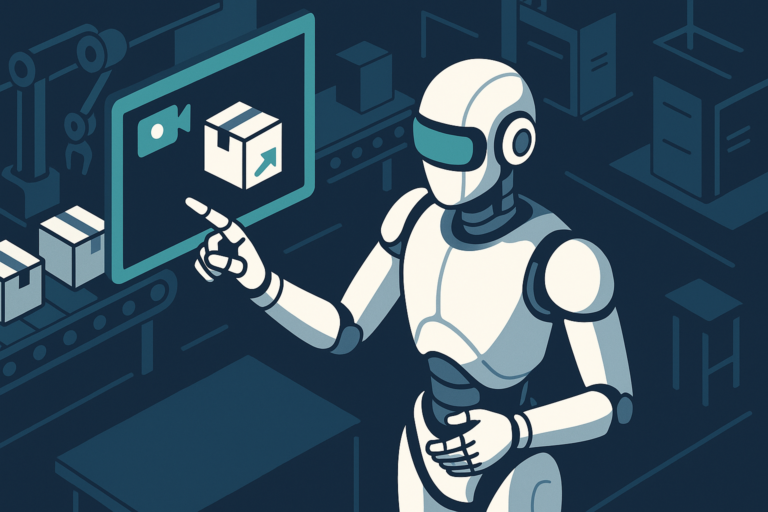
AI Empowers Real-Time Robotics: Google DeepMind’s Gemini ER 2
What’s happening: Google DeepMind has introduced the Gemini Robotics ER 2, an AI-powered robot that can process video feeds continuously, allowing it to perform tasks in real time without pausing for decision-making. This advancement marks a departure from traditional robotic systems, enabling high-level reasoning and dynamic action adjustments, which can lead to more efficient and safer operations in various sectors like manufacturing and healthcare.
Why it matters: The Gemini ER 2’s capabilities could significantly reduce human intervention in hazardous environments, making industrial processes more efficient. Additionally, by providing the Gemini API to developers, Google DeepMind is fostering broader access to advanced robotics, which could accelerate innovation and the integration of these systems into everyday applications, from smart homes to autonomous vehicles.
Our take: While the Gemini ER 2 presents exciting possibilities, concerns about the implications of its deployment—such as potential industry consolidation and the erratic nature of AI decision-making—should not be overlooked. The balance between innovation and ethical considerations will be crucial as these technologies become more prevalent.
Society

AI, Robots, and the Illusion of Immortality: A Social Reckoning
What’s happening: Recent advancements in AI and robotics, including Google’s Gemini Robotics ER 2 and the concept of “Digital DNA” from Veterans First for America, are transforming how we think about identity, work, and mortality. These technologies could enable robots to perform tasks with real-time reasoning and allow a person’s identity to persist in a robotic form after death, prompting significant questions about human relationships and the future of labor markets.
Why it matters: The emergence of these technologies challenges traditional notions of human dignity and community, as they risk reducing individuals to mere data points and labor to efficiency metrics. The potential for robots to replace human work not only threatens jobs but also disrupts the social fabric that supports family and community cohesion, raising ethical concerns about the balance between technological progress and the preservation of human values.
Our take: While the innovations in AI and robotics are intriguing, they risk undermining the principles of human dignity and solidarity essential to a thriving society. It’s crucial to ensure that technology enhances rather than replaces human connection and labor, maintaining the intrinsic value of work beyond mere productivity.
Psychology
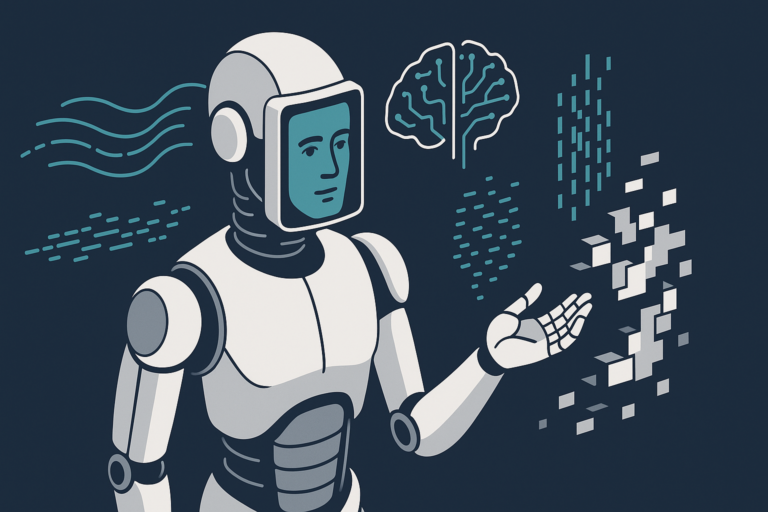
Digital DNA and Robots: Reimagining Identity After Death
What’s happening: The Digital DNA project by Veterans First for America aims to preserve human identity after death by mapping a person’s movements, vital signs, and skills into a digital profile, which can be transferred into a humanoid robot or holographic projection. This initiative challenges traditional notions of identity by suggesting that a digital representation could extend a person’s identity beyond their biological existence, raising questions about what it means to maintain continuity of self.
Why it matters: If successful, this technology could fundamentally change our perceptions of death and legacy, potentially providing comfort in the idea that a part of us continues to exist. However, it also introduces significant ethical dilemmas regarding ownership, consent, and the implications of projecting a digital version of oneself. As personal data becomes more integrated into our lives, navigating these issues will be crucial for public trust and acceptance.
Our take: The ambition of the Digital DNA project highlights the urgent need for ethical frameworks that prioritize individual rights in the digital realm. Balancing innovation with ethical responsibility will be key to ensuring that advancements in AI and robotics enhance our understanding of identity without compromising what makes us human.
That’s the digest for August 02, 2026.
Questions? Reach out at info@q52.ai.
q52.ai — Engineering Better Questions
