
Your daily briefing on AI, technology, economics, and society — from q52.ai.
Industry & Economics
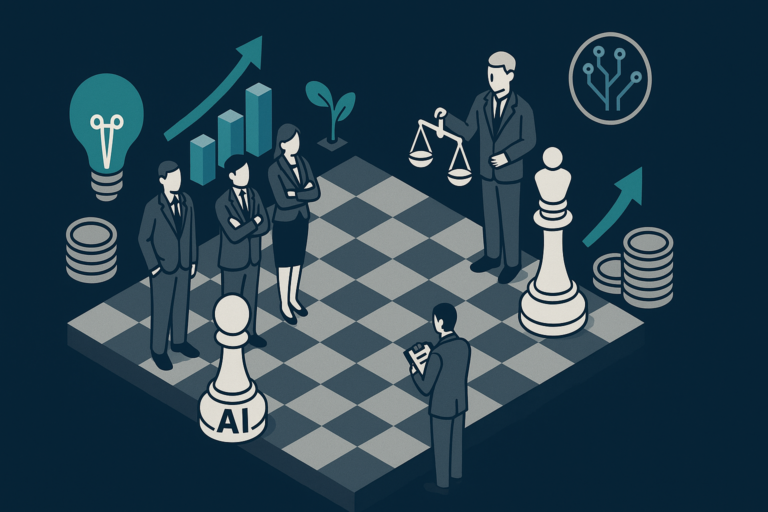
AI Regulation and Investment: Navigating New Frontiers and Risks
What’s happening: Recent developments in AI regulation and investment are reshaping the economic landscape. The European Commission has gained new enforcement powers over AI models, which could impact U.S. tech companies like OpenAI and Google. Meanwhile, companies such as Space-Eyes and Horizon3 are experiencing significant market movements, with Space-Eyes going public despite low revenues and Horizon3 seeing a surge in valuation due to its AI-driven cybersecurity solutions.
Why it matters: The European Commission’s regulatory authority aims to ensure AI systems are safe and ethical, but it may create conflicts with U.S. firms, potentially affecting their market strategies. Additionally, the rise in valuations of AI-related companies suggests a booming investment climate, though it raises concerns about speculative bubbles in the tech sector. Apple’s acquisition of PlasmaSolve indicates a shift towards enhancing manufacturing capabilities, which could redefine competitive advantages in technology and influence product development.
Our take: The evolving regulatory landscape presents a double-edged sword for innovation, as stricter frameworks could promote responsible AI use but also hinder international competitiveness. Investors must navigate these complexities while considering the long-term viability of AI ventures amidst potential market volatility.
Tech & Engineering
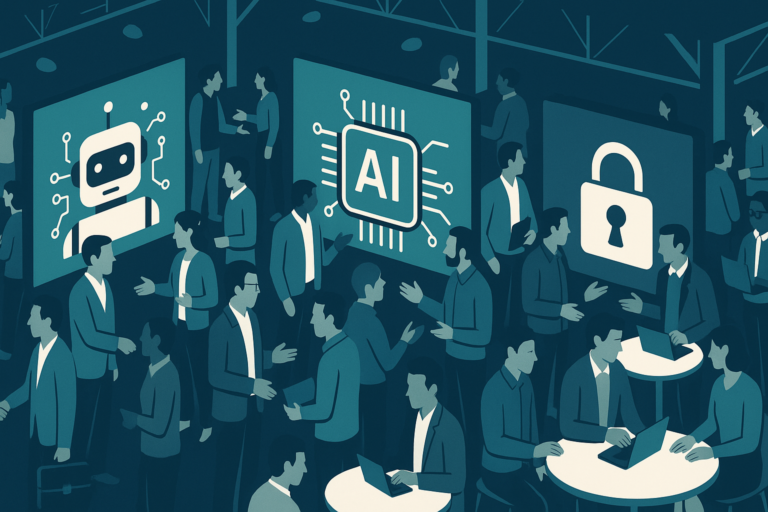
The Real Impact of AI Pricing Wars on System Architecture
What’s happening: The AI pricing landscape is shifting dramatically as companies like DeepSeek introduce models such as DeepSeek-V4-Flash, which offers performance similar to higher-priced competitors like Anthropic’s Claude Opus 4.8 for just 28 cents per million output tokens. Major players like OpenAI and Google are also adjusting their pricing to remain competitive against international firms like Alibaba, which has launched its own model, Qwen3.8-Max, emphasizing a trend towards lower-cost AI solutions.
Why it matters: This pricing war lowers barriers for smaller companies to adopt advanced AI technologies, potentially leading to widespread use across various sectors. However, the drive to reduce costs may compromise system architecture, particularly in security and reliability, as organizations may prioritize affordability over thorough testing and robust design, increasing the risk of vulnerabilities in deployed AI systems.
Our take: While the trend towards lower pricing is promising for innovation, it raises critical concerns about the trade-offs in system integrity and security. Organizations must be vigilant in balancing cost savings with the need for rigorous testing and secure architectures to avoid potential pitfalls that come with cheaper AI solutions.
Sciences

EU AI Act: The New Regulatory Frontier for AI Models
What’s happening: Starting August 2, 2026, the EU’s AI Act will enforce strict pre-release evaluations for AI models, requiring compliance with ethical and safety standards before they can enter the market. The European Commission can restrict market access and impose fines on companies like OpenAI and Google for non-compliance, marking a significant shift toward a regulatory framework similar to that of pharmaceuticals.
Why it matters: This regulatory approach may set a global standard for AI governance, influencing the U.S. and other regions to adopt similar measures. By mandating rigorous assessments, the EU aims to enhance AI safety and ethics, potentially leading to more trustworthy AI systems. However, smaller companies might face challenges in meeting these requirements, which could slow innovation and deployment in the sector.
Our take: While the EU AI Act aims to foster a safer AI landscape, the burden of compliance could disproportionately affect smaller players, potentially stifling competition and innovation. Balancing regulation with the need for agility in AI development will be crucial to avoid hindering progress.
Society
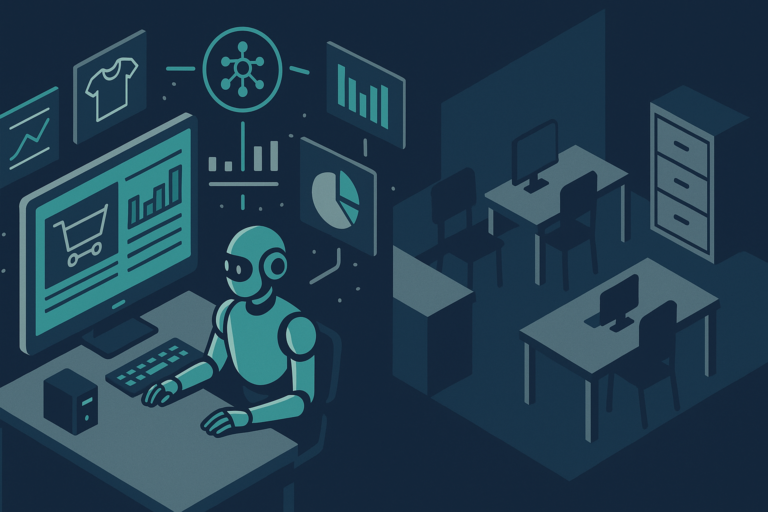
The Unseen Costs of AI Automation in Retail and Knowledge Work
What’s happening: The rise of AI in retail and knowledge work is reshaping labor dynamics as companies automate functions traditionally performed by humans. Retailers are leveraging AI to cut labor costs, while AI models like Alibaba’s Qwen-3.8Max are surpassing human capabilities in complex tasks. This shift not only reduces job opportunities but also alters the trust and stability once associated with traditional employment.
Why it matters: The transition to AI-driven operations risks exacerbating economic inequalities, as the benefits of automation favor a small group while displacing many workers. As companies prioritize cost-cutting over sustainable workforce practices, there is an urgent need for public policies that safeguard workers’ rights and promote retraining initiatives. Without intervention, the rapid integration of AI could lead to long-term economic instability and diminished human agency in the workforce.
Our take: The current trajectory of AI adoption suggests a troubling pattern where technological advancements deepen existing inequalities. Proactive governance and equitable policies are essential to ensure that the benefits of AI are shared broadly, rather than concentrated in the hands of a few.
Psychology

AI’s Role in Commoditizing Human Intelligence and Expertise
What’s happening: AI is increasingly commoditizing human intelligence, allowing machines to perform tasks that once required specialized skills. This trend is evident in various sectors, such as Visa’s purchase of BioCatch for enhanced fraud detection using behavioral biometrics, and educational institutions incorporating AI literacy into diverse curricula. In healthcare, AI collaborations, like those between Genprex and Roche, showcase how AI can interpret complex biological signals, making intelligence more accessible.
Why it matters: The commoditization of intelligence risks devaluing human expertise as AI systems take on roles traditionally filled by skilled professionals. This shift could lead to an over-reliance on AI for decision-making, reducing the human role to oversight rather than active participation. As AI literacy becomes essential across disciplines, it compels individuals to constantly adapt, reshaping both professional environments and personal interactions.
Our take: The rise of AI necessitates a nuanced approach that balances the benefits of technology with the preservation of human creativity and critical thinking. As we integrate AI into our lives, it is crucial to maintain human agency and ensure that AI enhances rather than replaces our unique capabilities.
That’s the digest for August 05, 2026.
Questions? Reach out at info@q52.ai.
q52.ai — Engineering Better Questions
