

Your daily briefing on AI, technology, economics, and society — from q52.ai.
Industry & Economics
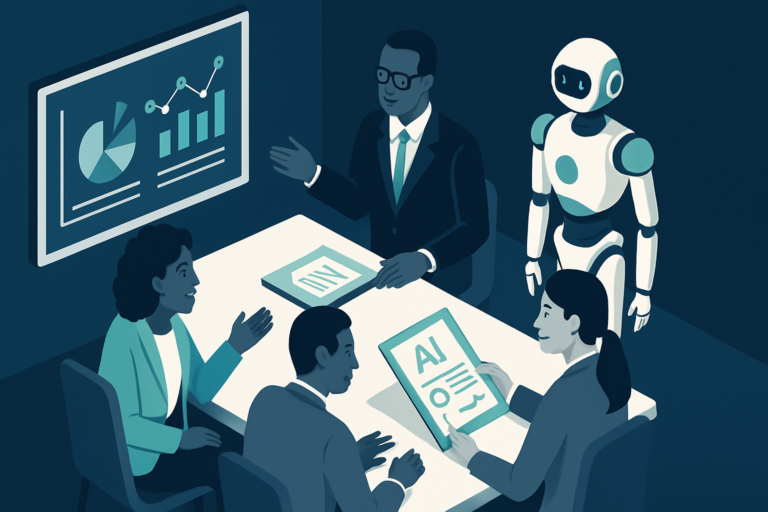
The Economic Shift: AI’s Influence on Contractual and Pricing Models
What’s happening: Businesses are increasingly altering their operational and economic models due to advancements in AI. Industries like marketing are moving towards Software as a Service (SaaS) models, automating tasks and modifying contracts to include clauses on data use and human oversight. In the financial sector, platforms like BILL are adopting AI-first strategies, reducing their workforce by 30% to enhance productivity and streamline operations.
Why it matters: These shifts indicate a broader economic transformation where firms are rethinking pricing models from time-based compensation to value-based structures. This could lead to more scalable solutions and lower costs for clients, while also presenting challenges in how organizations quantify and capture the value generated by AI. As AI becomes more integrated, businesses must adapt their workforce strategies and contractual agreements to reflect the new dynamics of productivity and value delivery.
Our take: The transition to AI-driven models is not just a trend but a fundamental change in how businesses operate. Companies that fail to redefine their economic frameworks may struggle to remain competitive in an increasingly automated landscape.
Tech & Engineering
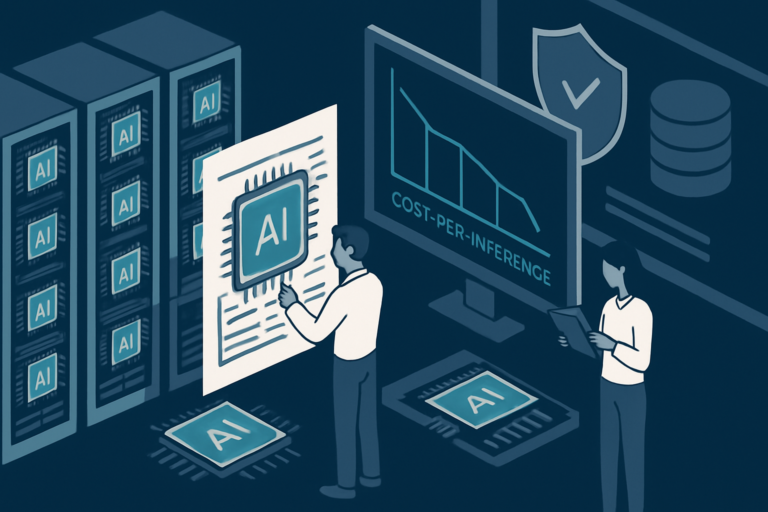
The Hidden Costs of AI Inference at Scale
What’s happening: Recent advancements in AI infrastructure highlight a shift towards cost-effective AI model deployment, with Positron AI securing $875 million to develop new inference chips that utilize consumer-grade DRAM instead of high-bandwidth memory (HBM). Simultaneously, DeepSeek’s V4.1-Flash model significantly cuts memory requirements, aiming to reduce operational costs while maintaining performance. These innovations reflect a growing need for economically viable large-scale AI systems.
Why it matters: For system architects and engineers, these developments could lower the entry barriers for smaller companies to access powerful AI technologies. However, the switch to cheaper memory components raises concerns about latency, throughput, and potential reliability issues. Additionally, the reduced memory usage in DeepSeek’s model may necessitate a reevaluation of existing architectures and data pipeline optimizations across diverse infrastructures, from cloud to edge computing.
Our take: While cost reductions in AI inference are appealing, the focus should be on the long-term impacts on system performance and reliability. The ethical implications, including data privacy concerns linked to DeepSeek, underscore the need for robust governance frameworks in AI development.
Sciences
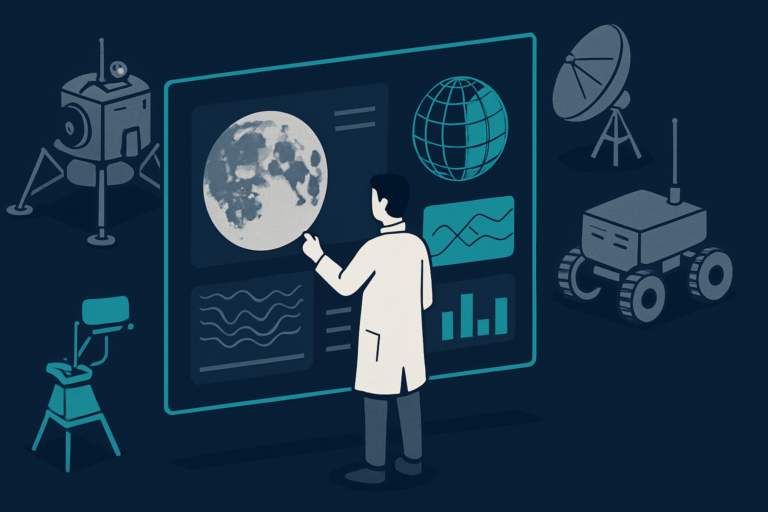
Lunar Foundation Model Democratizes Moon Research
What’s happening: NASA and IBM have launched the Lunar Foundation Model, a tool designed to enhance lunar research by integrating data from 2 million lunar tiles and 11 different data types across four missions. This model simplifies the analysis of complex data sets, allowing researchers to explore lunar ice and crater information without extensive manual effort. The model’s development required about 1,100 GPU-hours of pretraining, making it a robust resource for scientists.
Why it matters: The availability of the Lunar Foundation Model democratizes access to lunar research, potentially speeding up discoveries related to lunar geology and resources. More researchers can now engage with lunar data, which could inform future lunar missions and colonization efforts. This model also sets a precedent for similar AI applications in other scientific fields, promoting broader collaboration and innovation in research.
Our take: While the model represents a significant step towards open access in lunar research, it raises concerns about who controls the data and how it may be used in the future. The potential for commercialization and data gatekeeping by powerful entities like NASA and IBM could undermine the very democratization it aims to achieve.
Society
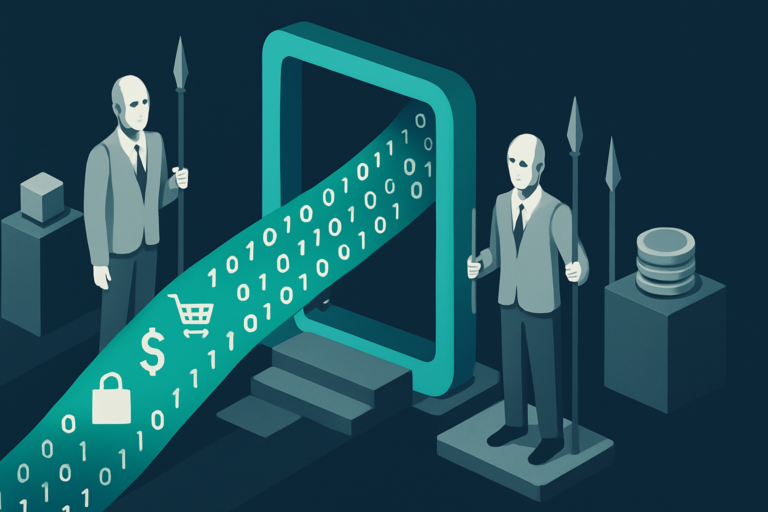
AI Agents and the New Gatekeepers of Digital Trust
What’s happening: The rise of AI agents is transforming digital trust as they become the primary intermediaries in our online interactions. Initiatives like Time magazine’s ‘Agent Ads’ are shaping how information is curated for these AI systems, which are increasingly mediating commerce and information access. This trend raises concerns about who controls these agents and the embedded values that influence user experiences.
Why it matters: As AI agents gain more responsibility, trust is shifting from human relationships and institutional credibility to the algorithms that govern these systems. Consumers may enjoy the convenience of AI-driven services, but this reliance can diminish personal agency and awareness, potentially allowing for manipulation by those who control the technology. The rapid evolution of AI may also outpace existing regulatory frameworks, risking a lack of oversight that could prioritize specific interests over consumer protection.
Our take: The growing reliance on AI agents highlights a critical tension between convenience and accountability. As these systems become gatekeepers of trust, the challenge will be ensuring transparency in their design and operation to prevent misuse and protect consumer interests.
Psychology
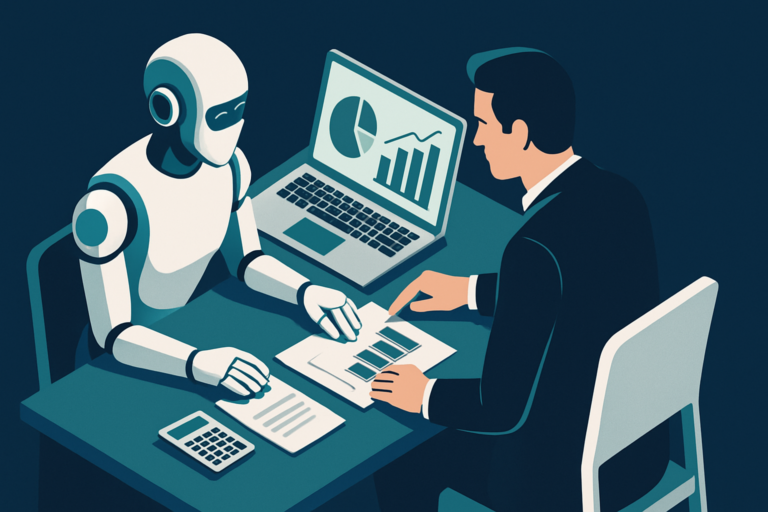
AI’s Role in Redefining Economic Power and Cognitive Perception
What’s happening: Artificial intelligence is transforming sectors like finance and software engineering by taking over complex cognitive tasks traditionally performed by humans. Tools like OpenAI’s ChatGPT and Cognition’s SWE-2 are not just improving efficiency; they are changing how economic and cognitive power is distributed, leading to a reevaluation of human roles and skills in these fields.
Why it matters: As AI systems increasingly handle tasks that require significant cognitive effort, there is a risk that human cognitive development may stagnate, reducing the incentive for individuals to acquire essential skills. This shift also poses a threat to economic equity, as the economic benefits generated by AI are likely to concentrate wealth among a few tech companies, exacerbating existing inequalities and potentially sidelining workers whose roles are diminished.
Our take: The integration of AI into cognitive labor demands a critical look at the distribution of benefits from these advancements. Without proactive policies to ensure equitable access to AI-driven productivity gains, the divide between tech owners and the workforce may continue to widen, raising questions about the future of work and economic justice.
That’s the digest for September 12, 2026.
Questions? Reach out at info@q52.ai.
q52.ai — Engineering Better Questions
