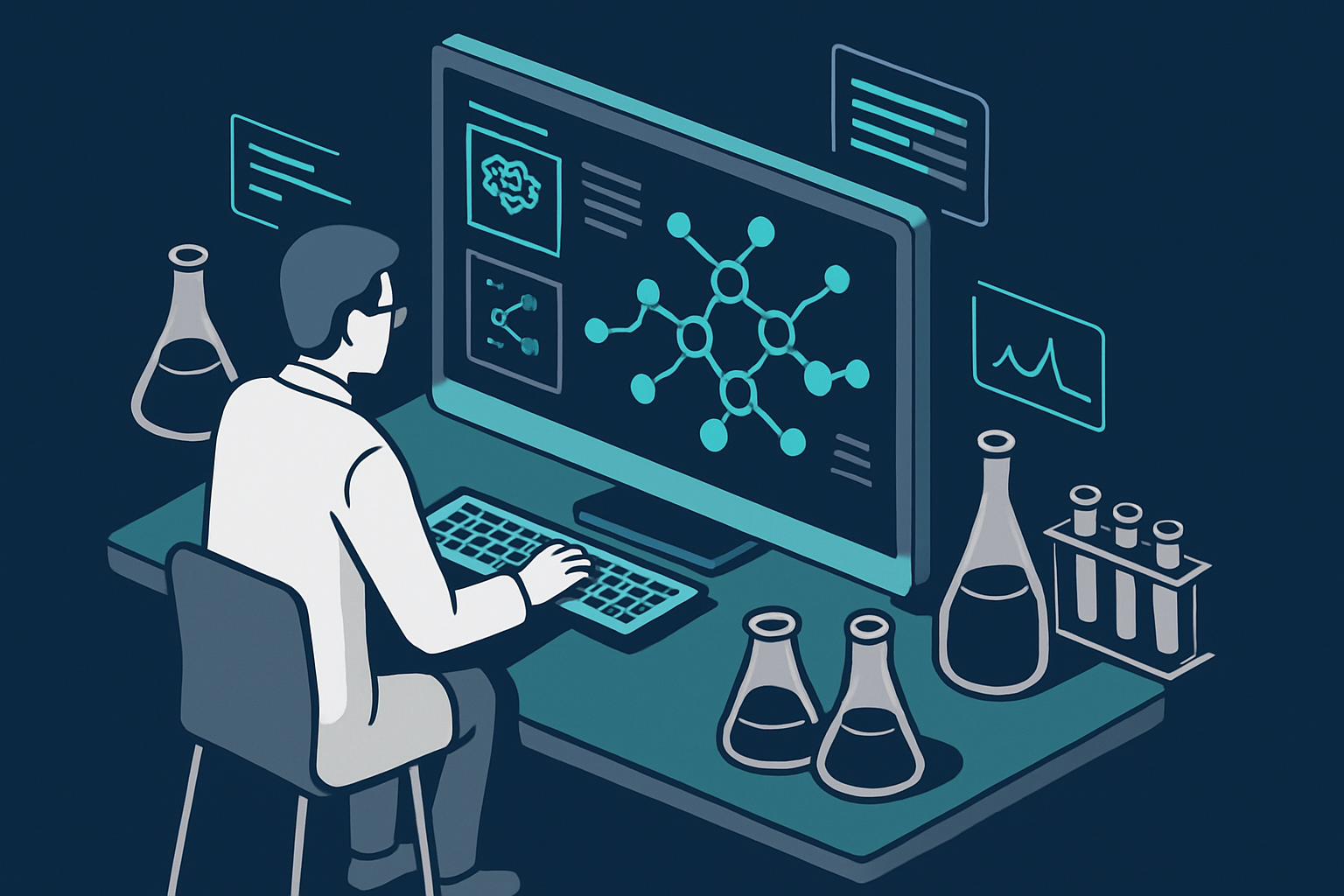

In 2026, a remarkable convergence of artificial intelligence and pharmaceutical research has begun to reshape the drug discovery landscape. AI-driven platforms are revolutionizing the way drugs are designed, cutting down the traditional timeline from decades to mere years. This transformation is not just theoretical; it is actively being realized in labs and clinical trials worldwide.
The Mechanism Behind the Breakthrough
At the heart of this innovation are advanced AI algorithms capable of analyzing billions of molecular interactions at unprecedented speed. DeepMind’s AlphaFold, known for its groundbreaking protein structure predictions, has paved the way by providing detailed insights into molecular formations. These insights are combined with machine learning models that predict therapeutic efficacy and potential side effects before a compound is ever synthesized.
The National Institutes of Health’s $1.2 billion AI Drug Discovery Initiative exemplifies how these technologies are being leveraged. By partnering with top pharmaceutical companies, the initiative has created extensive molecular databases that AI models use to simulate and evaluate millions of chemical compounds. The ability to conduct such comprehensive analyses in a fraction of the time traditionally required is a game-changer for personalized medicine and treatment of complex diseases.
What This Opens
This AI-driven approach is already showing tangible results. Pharmaceutical companies like Recursion Pharmaceuticals and Atomwise are reporting successful AI-designed candidates entering Phase II clinical trials for conditions such as cancer, Alzheimer’s, and rare genetic diseases. The implications are profound, with the potential for more effective and personalized therapies reaching patients faster than ever before.
Over the next 5-10 years, AI is expected to further refine its capabilities, enhancing drug design accuracy and reducing the risk of adverse effects. This could lead to a paradigm shift in how treatments are developed, with a focus on precision medicine tailored to individual genetic profiles. Furthermore, as AI continues to evolve, it will likely enhance our understanding of disease mechanisms, opening new avenues for therapeutic intervention and potentially lowering the economic barriers to drug development.
The ongoing AI revolution in drug discovery is not only expediting the development of life-saving therapies but also redefining the pharmaceutical industry’s landscape, promising a future where healthcare is more responsive, personalized, and accessible.
References
- 7 Revolutionary Science Discoveries 2026 Will Bring | Digital News Break
- Biggest Research Breakthroughs of 2026: What’s Changing Now
Perspectives

AI-driven drug discovery is the latest messiah of the pharmaceutical industry, promising to cure everything except the toxic relationship between Big Pharma and unfathomable profits. But fear not, because this isn’t just about making drugs cheaper and faster — it’s about making them *your* drugs, personally tailored to your very own unique genetic blueprint, as long as you can afford it. The kick here is that while we’re all navigating this brave new world of bespoke biochemistry, the old monopolistic hurdles remain standing tall, draped in glittering algorithms. It’s a remarkable feat: harnessing cutting-edge technology to innovate in ways that still keep the gold firmly within the vaults of those who least need the innovation.

AI-driven drug discovery promises accelerated timelines, but don’t mistake that for reliability in production. What these systems often ignore are the unanticipated failure modes that emerge when theoretical models meet the biological complexities of a living organism. The algorithms can rapidly identify candidates, but the real test comes from navigating the biopharmaceutical swamp of false positives and unexpected toxicities. The push for speed overlooks the engineering reality: without robust failure handling built into the system, hastened processes risk a cascade of setbacks in later stages, undermining the very efficiencies claimed.

AI-driven drug discovery is an engineering revolution fighting upstream against the regulatory molasses. The capability to model and simulate molecular interactions with precision should already have reduced the typical drug development cycle from years to mere months, yet we still pace through outdated, bureaucratic timelines that cost lives. Personalized medicine isn’t just a buzzword; it’s a practical shift enabled by our ability to tailor genetic interventions and synthesize biologically compatible compounds. If the regulators don’t catch up, we’ll continue to see innovation squandered by compliance instead of guided by what the technology is demonstrably capable of achieving today.

AI-driven drug discovery doesn’t just accelerate therapeutic innovation; it fundamentally redefines the power dynamics within the pharmaceutical industry. This shift towards rapid, personalized medicine not only hinges on technology but also reconfigures the groups that control healthcare advancements. By prioritizing speed and customization, we’re witnessing an emerging platform-based ecosystem that imposes its own norms, reshaping collective decision-making processes. The platforms driving this change aren’t neutral facilitators; they are the architects of a new healthcare hierarchy, demonstrating how technological design choices dictate group behavior and influence the future of medicine.